

GEA’s meVap® crystallization system is an industrial heat pump solution based on proven mechanical vapor recompression (MVR) technology.

GEA meVap® Crystallization icon
GEA’s meVap® crystallization system is an industrial heat pump solution based on established Mechanical Vapor Recompression (MVR) technology. By recompressing and reusing process vapor as a heat source, it can help reduce external thermal energy demand and operating costs, depending on the specific plant configuration and operating conditions.
GEA’s meVap® crystallization is a core technology in GEA’s energy efficient crystallization solutions. By mechanically recompressing and reusing the vapor generated in the process, MVR systems improve thermal energy use and support stable, high quality crystal formation. The result: lower operating costs and reliable process performance, subject to application, utility supply, and operating parameters.
GEA’s meVap® crystallization system can be seamlessly integrated into new or existing plants, regardless of scale.
How does GEA support energy-efficient crystallization?
GEA meVap® Crystallization can be integrated into diverse process configurations, supporting customers in:
- Optimizing their energy consumption with process-design options focused on energy use, heat integration and utility requirements.
- Reusing process heat for internal steam demands
- Improving plant energy performance through heat integration
By electrifying the thermal energy supply and recovering process heat, GEA meVap® Crystallization can contribute to lower site-related energy demand when suitable electricity sources and process conditions are available.
How does the meVap® Crystallization work?
Mechanical Vapor Recompression (MVR) is the core of GEA’s meVap® crystallization systems. By reusing the vapor generated within the process as the primary heat source, MVR enables a self sustaining energy loop that can reduce the need for additional thermal energy, help lower operating costs, and support consistent product quality.
The feed solution enters the crystallizer, where a portion of the solvent is gently evaporated to create supersaturation – the key driver for crystal growth. The vapor released from the slurry is separated and forms the basis for the next process step. It is routed to a mechanical compressor, where a slight increase in pressure and temperature transforms it into a powerful heating medium. Because only a small temperature lift is required, the process can achieve high energy efficiency compared with conventional steam-heated configurations.
The recompressed vapor condenses on the crystallizer’s heat exchange surfaces, releasing its latent heat back into the circulating solution. This heat evaporates additional solvent and effectively closes the thermal loop.
As supersaturation builds, crystals begin to form and grow under precisely controlled temperature, residence time, and circulation conditions. This controlled environment ensures a stable, reproducible crystal-size distribution that meets even demanding product specifications.
Once formed, the crystals are separated and the mother liquor can be recirculated for further concentration or discharged as a controlled purge.
Powered primarily by electricity, MVR supports the electrification of thermal processes and facilitates the integration of renewable energy sources.
Downloads
İlgili Ürünler

GEA meVap® Compression
GEA meVap® Compression supports the electrification of industrial steam generation by using recovered process.

GEA meVap® Distillation
GEA provides two meVap® distillation solutions: Secondary Circuit Compression for steam reuse, and Direct Alcohol Compression for direct heating.

GEA meVap® Evaporation
GEA meVap® Evaporation is designed for operational reliability and process performance in a wide range of industrial environments.
GEA İçgörüleri
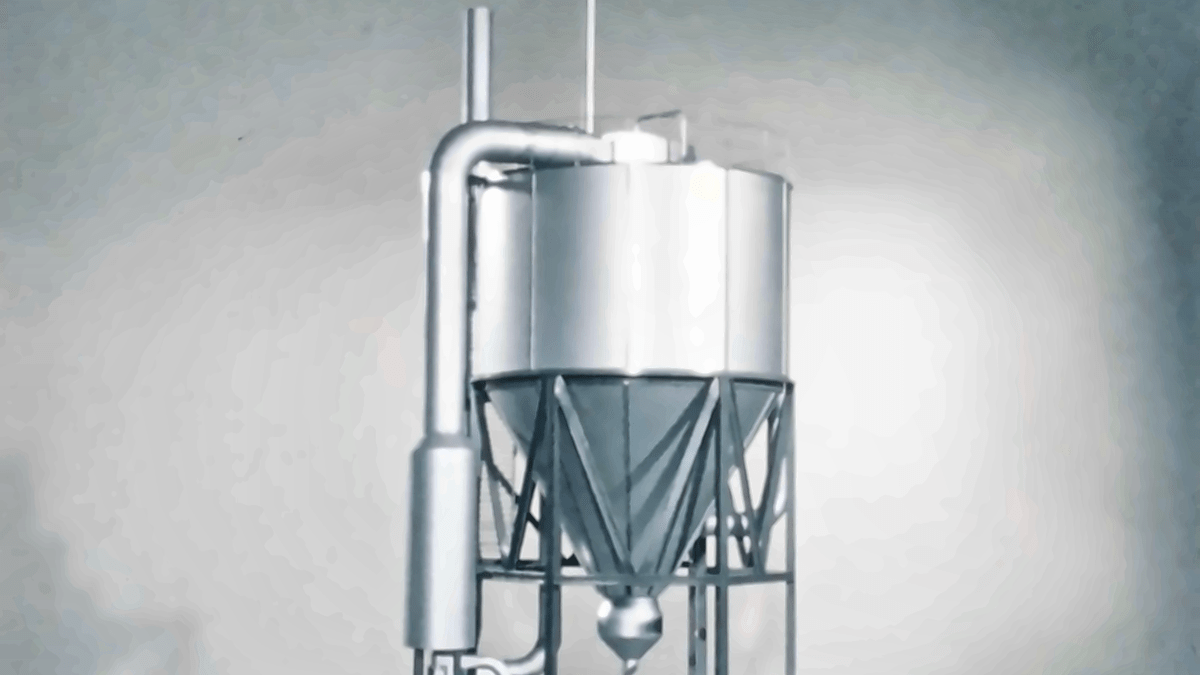
The breakthrough that changed spray drying
In 1976, NIRO engineers responded to a competitive challenge by rethinking what spray drying could do. Their idea became the multi-stage dryer MSD. Fifty years later, the same fundamental principle helps turn liquids into the powders used in essential nutrition products and important medicines around the world. Refined through decades of engineering expertise, customer insight and continuous development, MSD is a story of innovation with lasting impact.
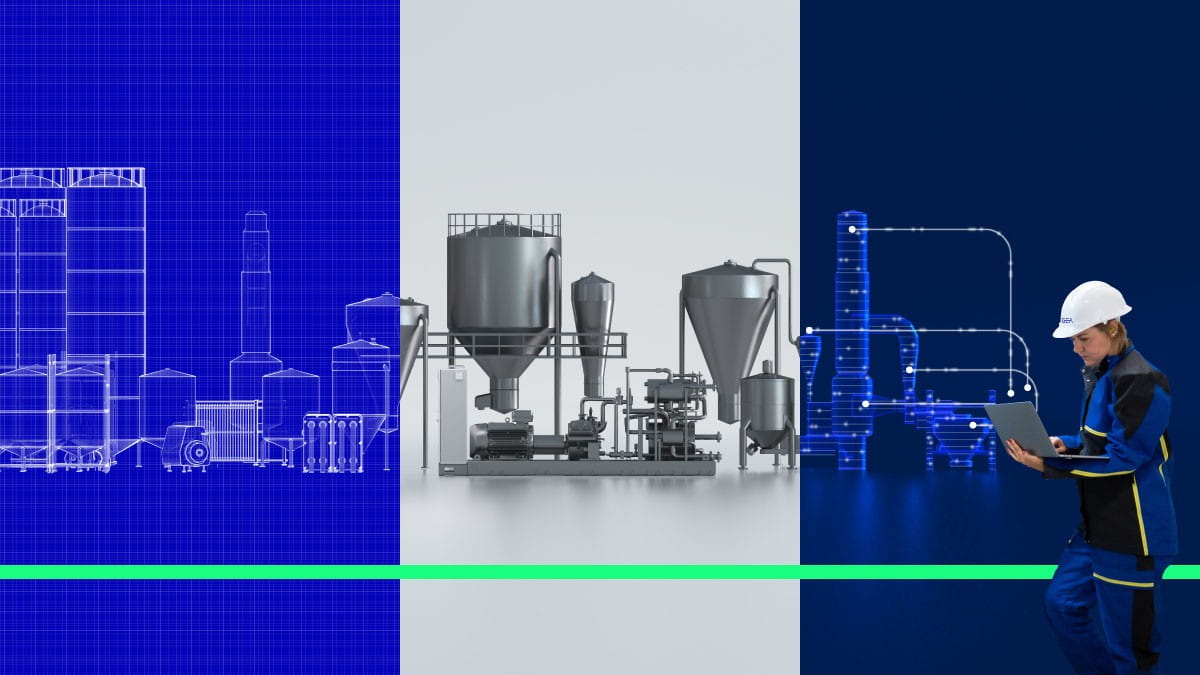
Makineden fazlası: Daha iyi bir tesis performansının kilidini açar
Verimli bir makine, otomatik olarak verimli bir fabrika anlamına gelmez. Gerçek iyileştirme, genellikle münferit ekipmanların ötesine bakıp proseslerin, enerji sistemlerinin ve işletme kararlarının birbirlerini nasıl etkilediğini anlamakla başlar. Bu, normalde gözden kaçırılabilecek fırsatları ortaya çıkarmak üzere tasarlanmış bütünsel bir yaklaşımdır.
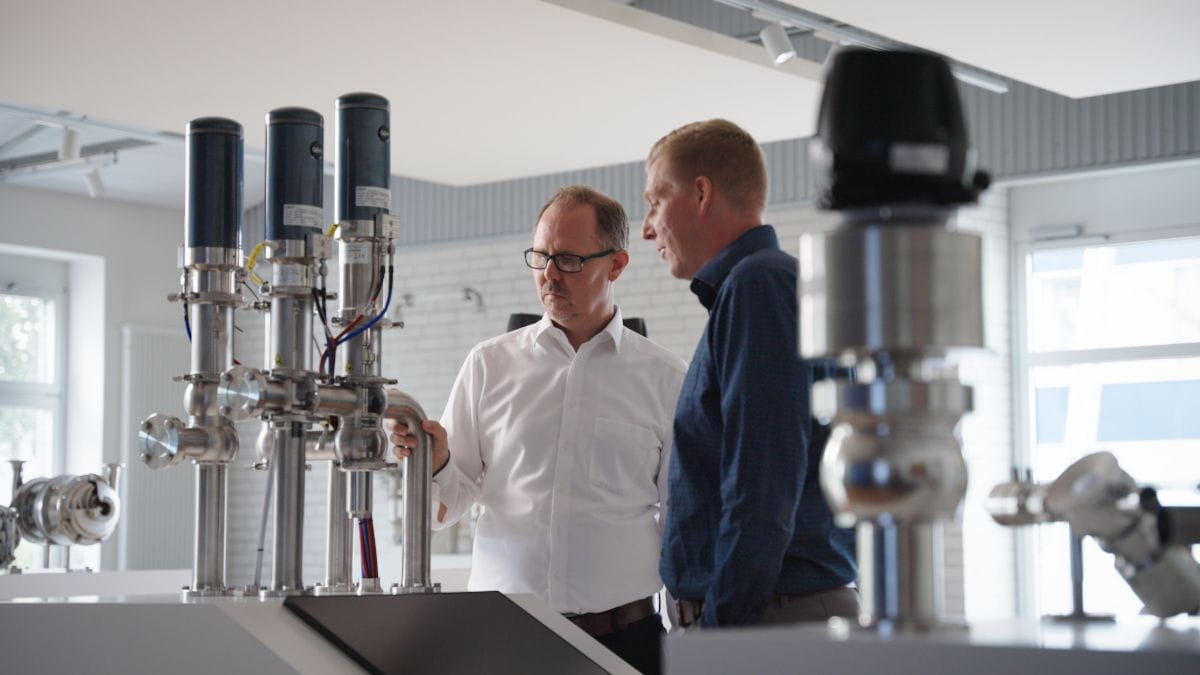
Bir vana, yiyecek ve içeceklerin üretilme yöntemini nasıl yeniden şekillendiriyor?
Yiyecek ve içecek tesislerinde, vanalar genellikle tazyikli hava kullanılarak çalıştırılır. GEA Hydract® Actuation Technology, kapalı ve dijital olarak kontrol edilen bir devre içinde vanaları su yardımıyla hareket ettirir. Sonuç, tam olarak yerinde tutulabilen ve hassas ayarlanan adımlarla yönlendirilebilen bir vanadır. Bu, daha az enerji kullanımı ve daha fazla kontrol sağlar.
