

Reducing ship emissions for a cleaner future
The combustion of fossil fuels on ships not only generates power but also releases harmful emissions, including carbon dioxide (CO2), sulphur oxides (SOx), nitrogen oxides (NOx) and soot. These pollutants contribute to environmental issues such as global warming, smog, acid rain and increased levels of fine particles. The impacts have far-reaching consequences for our planet and health.
To combat this, international regulations like IMO Tier II and Tier III have been implemented to control NOx emissions from ships operating on different fuel types. Ships operating outside and inside NOx emission control areas must adhere to specific NOx limits, especially when using low-sulfur (<0.1%) and high-sulfur (>0.5%) fuels.
NOx reduction by exhaust gas recirculation
Exhaust Gas Recirculation (EGR) effectively reduces NOx emissions and ensures compliance with IMO Tier III regulations for both diesel and gas operations. Engine manufacturers have developed engines equipped with EGR systems to accommodate a range of fuels, including heavy fuel oil (HFO), low-sulfur fuels, liquefied natural gas (LNG), and even methanol to meet IMO requirements.
Challenges of EGR process water
The EGR process generates a byproduct: bleed-off water that requires treatment to meet stringent standards. This water must be treated to less than 15 PPM, which aligns with the requirement for bilge water.
Understanding the challenges faced by shipowners in meeting these water treatment requirements, GEA offers two innovative solutions: the GEA NOx Separator and the GEA bilgEGR Solution.
At GEA, we are committed to offering sustainable solutions that enable shipowners to navigate the waters with confidence, knowing that they are meeting regulatory standards and actively contributing to a cleaner maritime sector.
Together, we can drive the maritime sector towards a more sustainable and environmentally conscious future.
Diğer uygulamalar


Downloads
GEA İçgörüleri
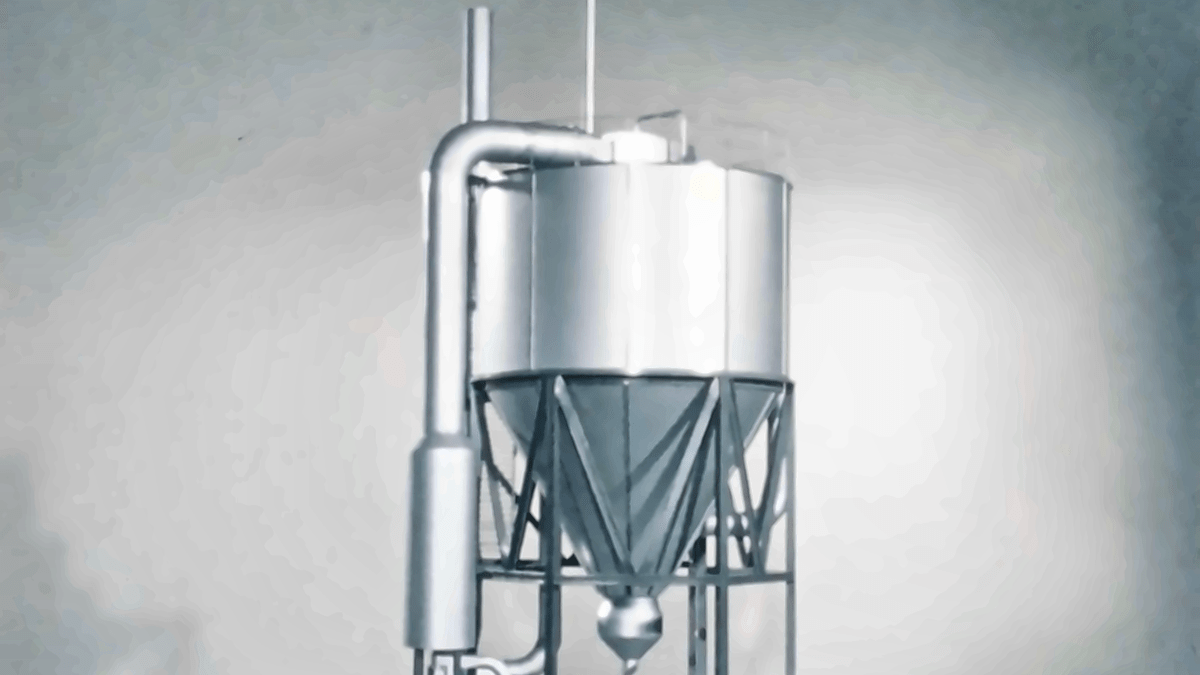
Sprey kurutmayı değiştiren dönüm noktası
1976 yılında, NIRO mühendisleri, sprey kurutmanın neler yapabileceğini yeniden değerlendirerek rekabet ortamındaki bir zorluğa yanıt verdiler. Fikirleri, çok aşamalı MSD kurutucusuna dönüştü. Elli yıl sonra, aynı temel ilke, sıvıların dünyanın dört bir yanında temel besin ürünlerinde ve önemli ilaçlarda kullanılan tozlara dönüştürülmesine yardımcı olmaktadır. On yıllarca geçmişe dayanan mühendislik uzmanlığı, müşteri anlayışı ve sürekli geliştirme ile olgunlaşan MSD, kalıcı etkiye sahip bir inovasyon öyküsüdür.

Makineden fazlası: Daha iyi bir tesis performansının kilidini açar
Verimli bir makine, otomatik olarak verimli bir fabrika anlamına gelmez. Gerçek iyileştirme, genellikle münferit ekipmanların ötesine bakıp proseslerin, enerji sistemlerinin ve işletme kararlarının birbirlerini nasıl etkilediğini anlamakla başlar. Bu, normalde gözden kaçırılabilecek fırsatları ortaya çıkarmak üzere tasarlanmış bütünsel bir yaklaşımdır.

Bir vana, yiyecek ve içeceklerin üretilme yöntemini nasıl yeniden şekillendiriyor?
Yiyecek ve içecek tesislerinde, vanalar genellikle tazyikli hava kullanılarak çalıştırılır. GEA Hydract® Actuation Technology, kapalı ve dijital olarak kontrol edilen bir devre içinde vanaları su yardımıyla hareket ettirir. Sonuç, tam olarak yerinde tutulabilen ve hassas ayarlanan adımlarla yönlendirilebilen bir vanadır. Bu, daha az enerji kullanımı ve daha fazla kontrol sağlar.
