
Putting Theory into Practice
A series of initial tests was done using a LYOVAC® FCM 2 to compare the coefficient of performance (COP) and process energy consumption of the ECO Mode with the theoretical value of a two-stage reciprocating compressor (R507). Using 3% mannitol as the test product and taking an average of five trial runs, the results were impressive.
In both situations (with a constant condenser temperature of ≤–70 °C for the classic mode and a dynamic condenser temperature not colder than –53 °C for the ECO Mode) and using pressure rise measurement [PRM] to determine the end of primary and secondary drying, the processing times for both the classic and ECO Mode were very similar .

Proven Results at Production Scale
Acting as a third-party validator, TUV concluded that, in accordance with the DIN EN ISO 14021:2021-10 standard, the TYPE II “ADD BETTER” ECOLABEL developed by GEA Lyophil GmbH for the use case: “LYOVAC ECO Mode” is reasonable, transparent and appropriate.
They also noted that the submitted data was “coherent and comprehensible,” and could be used in communication, marketing, or documentation to show customers and stakeholders that the environmental and/or technical claims have been verified by an impartial authority.
“Independent substantiation provides external assurance that our energy saving claims are consistent and scientifically sound,” said Thomas Beutler. “Being able to use the term ‘Validated by TÜV Rheinland’ gives our customers confidence that ECO Mode’s sustainability benefits are not just internal estimates; they have been independently verified.”

LYOVAC® ECO Mode
In Summary
This new algorithm changes the set point of both the fluid condenser temperature and the position of the mushroom valve during drying. What this means is that there’s no longer an actual fixed temperature for the condenser; it’s optimally matched to the ongoing process and no colder than necessary.”
In addition, the mushroom valve opening position can optionally be used as an extra control mechanism … as well as the nitrogen inflow rate. This allows the freeze dryer to reach the same chamber pressure, but with warmer condenser coils. As such, less nitrogen is needed to control the pressure. The system can also be augmented with a virtual sublimation sensor if required.Retrofit-compatible with any unit with a fluid condenser, and with the option to run existing processes in classic mode, ECO Mode will be a selectable recipe parameter that will transform the future of planet-friendly freeze drying.
Download more information about LYOVAC ® ECO Mode
Downloads
Produtos relacionados

LYOVAC® Pharma Freeze Dryer
GEA’s LYOVAC® industrial-scale freeze dryers are built to customer specifications and are available with production areas of 1–60 m² and condenser capacities of more than 1000 kg.

LYOVAC® Freeze dryers for small scale production modules
LYOVAC® Freeze dryers for small scale production modules

LYOVAC® Small-Scale Freeze Dryers
Extending its range of LYOVAC™ Freeze Dryers, GEA now offers both integrated and standalone equipment for the production of small-scale batches and formulation or process development.
Insights da GEA
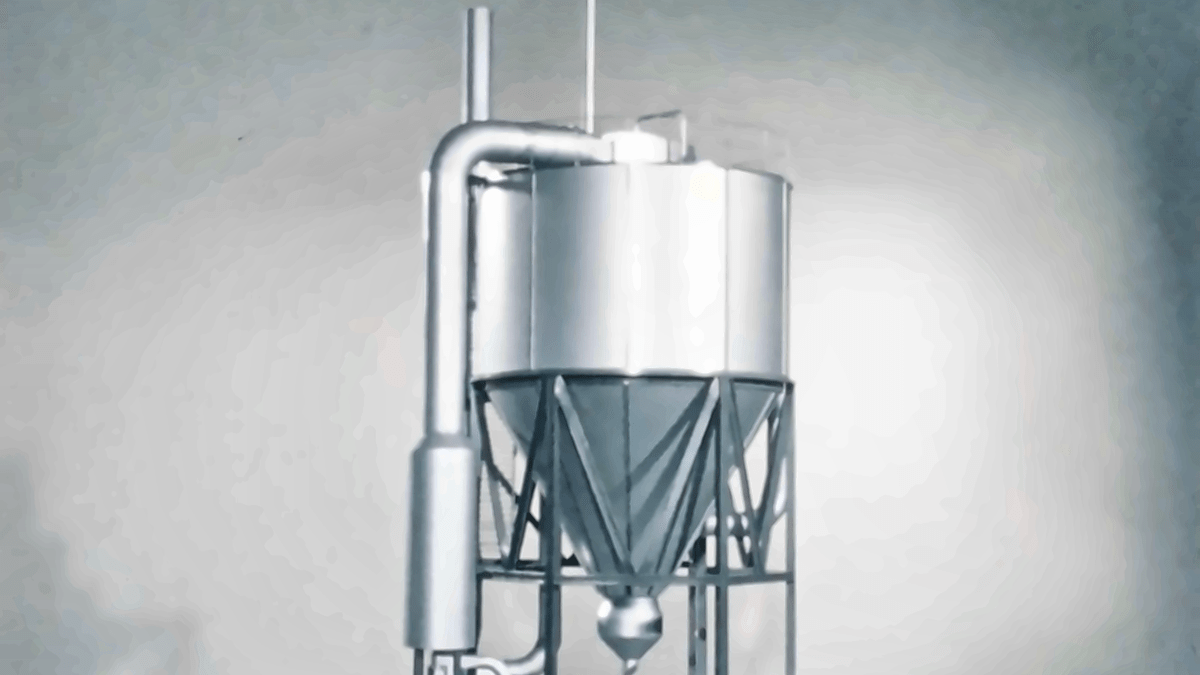
A inovação que revolucionou a secagem por pulverização
Em 1976, os engenheiros da NIRO responderam a um desafio da concorrência repensando as possibilidades da secagem por pulverização. A ideia deles resultou na secadora de multi-estágios MSD. Cinquenta anos depois, esse mesmo princípio fundamental ajuda a transformar líquidos nos pós utilizados em produtos nutricionais essenciais e em medicamentos importantes em todo o mundo. Aperfeiçoada ao longo de décadas de experiência em engenharia, conhecimento do cliente e desenvolvimento contínuo, a MSD é uma história de inovação com impacto duradouro.

Além da máquina: como alcançar um melhor desempenho da planta
Uma máquina eficiente não significa, por si só, uma fábrica eficiente. A verdadeira melhoria geralmente começa quando se vai além dos equipamentos individuais e se compreende como os processos, os sistemas de energia e as decisões operacionais se afetam mutuamente. É uma abordagem integral concebida para identificar oportunidades que, de outra forma, poderiam passar despercebidas.

Como uma válvula revoluciona a forma como alimentos e bebidas são produzidos
Em plantas de alimentos e bebidas, as válvulas são normalmente acionadas por meio de ar comprimido. A GEA Hydract® Actuation Technology aciona as válvulas por meio de água, em um circuito fechado e controlado digitalmente. O resultado é uma válvula que pode ser mantida exatamente no lugar e ajustada em etapas precisas. Isso resulta em menor consumo de energia e maior controle.
