
Machine Features
- Compression forces of up to 150 kN.
- Single-layer and double-layer capability.
- Pre-compression up to 10 kN is achieved using a pre-compression cam for extended dwell times, resulting in better powder deaeration and more uniform granule distribution in the die prior to final compression.
- Maximum fill depth of 40 mm.
- Take-off system available for the horizontal removal of fragile tablets.
- Isolated and sealed compression zone for powder confinement.
- Tablet weight control based on force measurement.
- Large double-paddle forced feeder with individual drives for each paddle.
- Tool holders with high-pressure heads and cam-rolling bearings reduce wear and tear on the cams and compression rollers..
- Punch tips in steel, stainless steel or tungsten carbide.
- Multi-tip design available for solid tablets.
- Nickel-coated steel turret, forged in one piece, features replaceable wear plates.
- Standalone electrical cabinet.
- Siemens PLC for machine control,/ industrial PC for database and MultiControl5 system with a user-friendly 21.5-inch HD touchscreen.
- Highly rigid cast iron frame and high-tension chassis.
- Dust extraction nozzles.
- Stainless steel housing.
- Fully GMP-compliant design.
- Automatic punch lubrication system.
- When equipped with a die wall and punch face lubrication systems, the R233 is the ideal machine for the high-speed compression of effervescent tablets.
Technical specifications
The R233 is available in 4 executions:
| Model | R233/27 | R233/39 | R233/47 | R233/53 |
| Number of stations | 27 | 39 | 47 | 53 |
| Max. compression force [kN] | 150 | |||
| Max. pre-compression force [kN] | 10 | |||
| Maximum fill [mm] | 35 | |||
| Max. range / set of fill cams [mm] | 15 | |||
| Top punch penetration [mm] | 6 | |||
| Punch-holder body diameter [mm] | 48 | 40 | 32 | 27 |
| Outside die diameter [mm] | 70 | 48 | 40 | 35 |
| Max. output capacity at compression force 150 kN [tab/h] | 144.000 | 210.000 | 252.000 | 286.200 |
| Press height [mm] | 2.260 | |||
| Floor space [mm] | 1.400 x 1.500 | |||
| Weight [kg] | 7.000 | |||
Get in touch with our expert team
To get in touch with our team of experts for industrial tablet compression, please click here.
Downloads
Powiązane produkty

R253 Tablet Press
The R253 is designed for for single-layer/double-output or double-layer/single-output 24/7 tablet production with minimum maintenance to produce large volumes of tablets (such as detergents, catalysts, automotive parts, batteries, etc.). This machine can be used to produce tablets with one or multiple vertical holes.

R55 Tablet Press
The R55 is a robust, exceptionally versatile industrial rotary press for single-layer tablet and component production. From nuclear fuel pellets, hard metals and batteries to confectionery.

PERFORMA P Tablet Press for Industrial Applications
For non-pharma applications, the PERFORMA P tablet press has been upgraded for high wear resistance to cope with abrasive powders.
GEA Insights
Przełom, który odmienił suszenie rozpyłowe
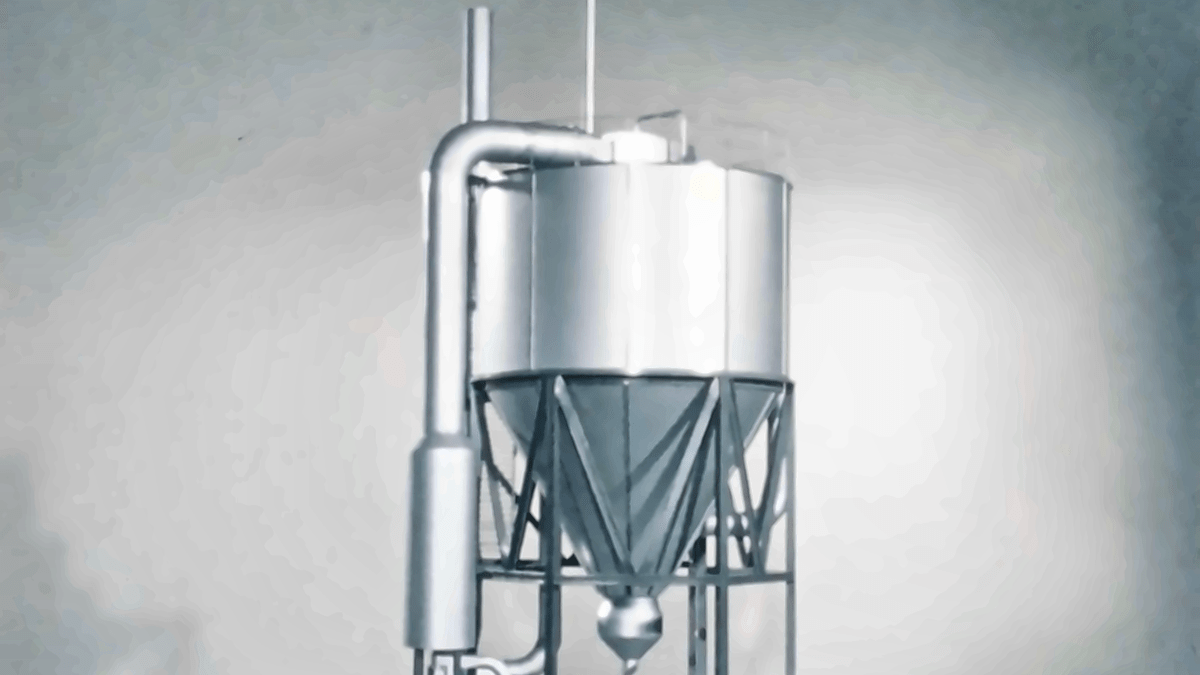
W 1976 roku inżynierowie NIRO odpowiedzieli na wyzwanie ze strony konkurencji, na nowo definiując możliwości suszenia rozpyłowego. Ich pomysł dał początek wielostopniowej suszarce MSD. Pięćdziesiąt lat później ta sama podstawowa zasada pomaga przekształcać płyny w proszki wykorzystywane na całym świecie do produkcji niezbędnych produktów żywieniowych i ważnych leków. Historia MSD, doskonalonej przez dziesięciolecia dzięki wiedzy inżynieryjnej, doświadczeniom klientów i ciągłemu rozwojowi, to historia innowacji o trwałym znaczeniu.

Więcej niż maszyna: klucz do poprawy wydajności zakładu
Wydajność maszyny nie przekłada się automatycznie na wydajność fabryki. Prawdziwa poprawa często zaczyna się od wyjścia poza ramy poszczególnych urządzeń i zrozumienia, w jaki sposób wzajemnie na siebie oddziałują procesy, systemy energetyczne i decyzje operacyjne. Jest to podejście kompleksowe, mające na celu odkrycie możliwości, które w przeciwnym razie mogłyby zostać przeoczone.

W jaki sposób zawór może wpływać na sposób produkcji żywności i napojów
Zazwyczaj w zakładach produkujących żywność i napoje zawory są uruchamiane za pomocą sprężonego powietrza. Tymczasem w GEA Hydract® Actuation Technology do sterowania zaworami wykorzystuje się wodę w zamkniętym obiegu sterowanym cyfrowo. W rezultacie otrzymujemy zawór, który można precyzyjnie utrzymać w odpowiednim położeniu i sterować nim z dużą dokładnością. Skutkuje to mniejszym zużyciem energii i większą kontrolą.
