
BUCK® Sampler for Contamination-Free Sampling
Based on split valve technology, the BUCK® Sampler was specifically developed for gravity based process sampling applications in combination with commonly used product sampling equipment in processes such as granulation and drying.
The sampler offers a fully contained sampling process, even maintaining a process-related pressure resistance during all stages of docking, sampling and undocking.
Principle BUCK® Sampler
Undocked and Closed
Both the sampler and sample port are closed and sealed with a spring-loaded cover.
Docked and Closed
Connecting the sampler to the sample port forms a secure seal, without needing to stop the process.
Docked and Open
Continuing to screw the sampler to the sample port will cause the two parts to open. Both covers, the sampler and the sample port form a completely sealed unit.
Disposable Hicoflex® Sampling Technology
The Hicoflex® Sample Bag is a fully contained sampling device that enables a process sample or the bulk material in a Hicoflex® Charge Bag to be taken through an Hicoflex® Adaptor. The approx. volume of sample that can be taken is 5ml.
Downloads
Powiązane produkty

BUCK® MC Containment Valves
BUCK® valves were the first commercially available split valves on the market. Used for the contained transfer of active powders from one vessel to another in pharmaceutical production, BUCK® technology is the result of thousands of successful applications worldwide and more than 15 years of experience.

Hicoflex® Single Use Containment System
A disposable high containment Interface for the safe & dust-free transfer of solid dosage material to fully protect your operator, your product and the environment.

Digital Canary protects your people
Based on the traditional concept of a live coal-mine canary, the 21st century equivalent from GEA is a continuous real-time monitoring system that’s been designed to detect breaches in contained pharmaceutical production lines. By providing an additional level of monitoring, the Digital Canary reduces the need for routine occupational health chec...
GEA Insights
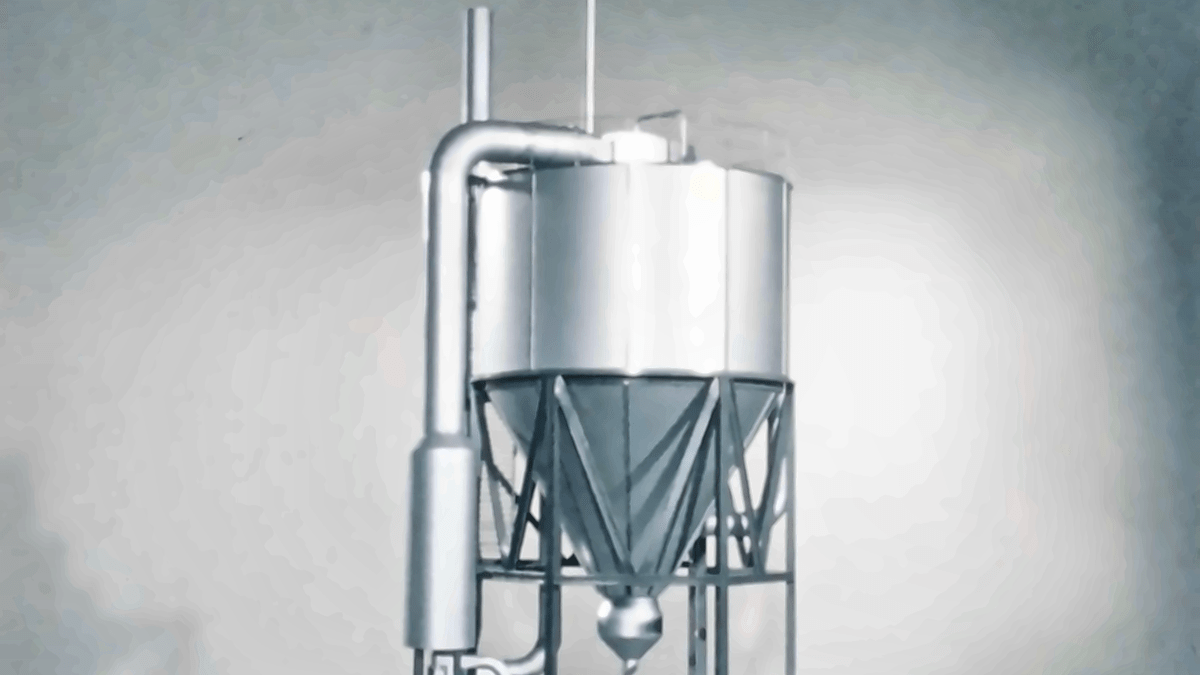
The breakthrough that changed spray drying
In 1976, NIRO engineers responded to a competitive challenge by rethinking what spray drying could do. Their idea became the multi-stage dryer MSD. Fifty years later, the same fundamental principle helps turn liquids into the powders used in essential nutrition products and important medicines around the world. Refined through decades of engineering expertise, customer insight and continuous development, MSD is a story of innovation with lasting impact.
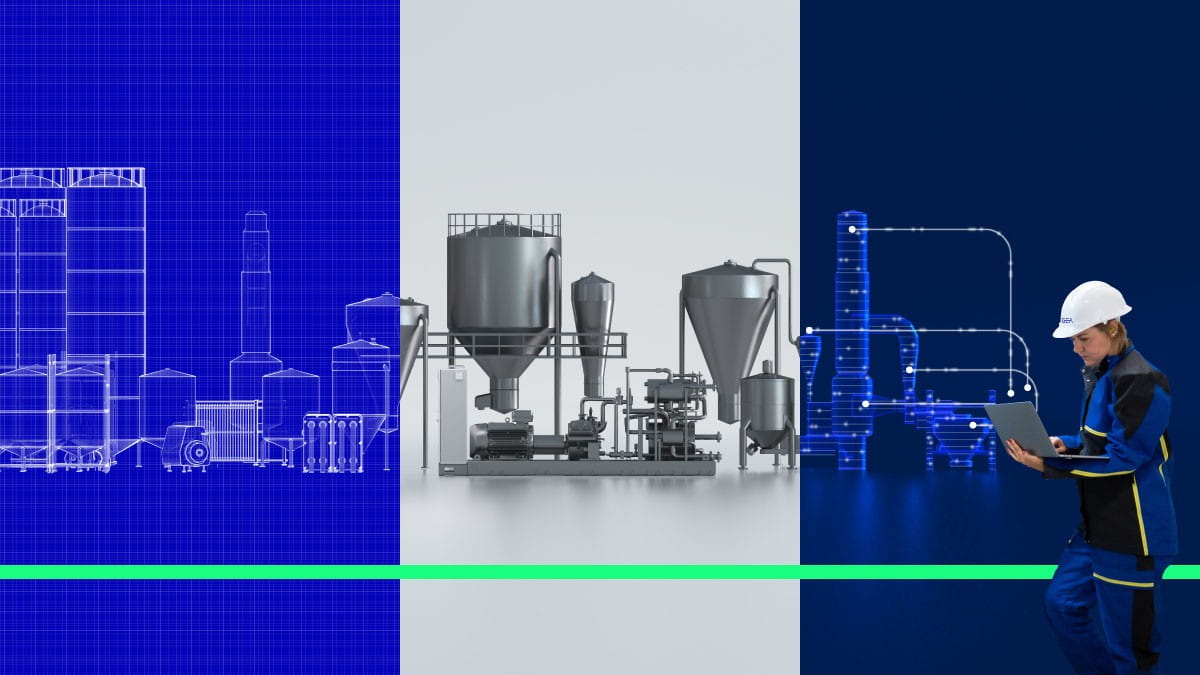
Więcej niż maszyna: klucz do poprawy wydajności zakładu
Wydajność maszyny nie przekłada się automatycznie na wydajność fabryki. Prawdziwa poprawa często zaczyna się od wyjścia poza ramy poszczególnych urządzeń i zrozumienia, w jaki sposób wzajemnie na siebie oddziałują procesy, systemy energetyczne i decyzje operacyjne. Jest to podejście kompleksowe, mające na celu odkrycie możliwości, które w przeciwnym razie mogłyby zostać przeoczone.
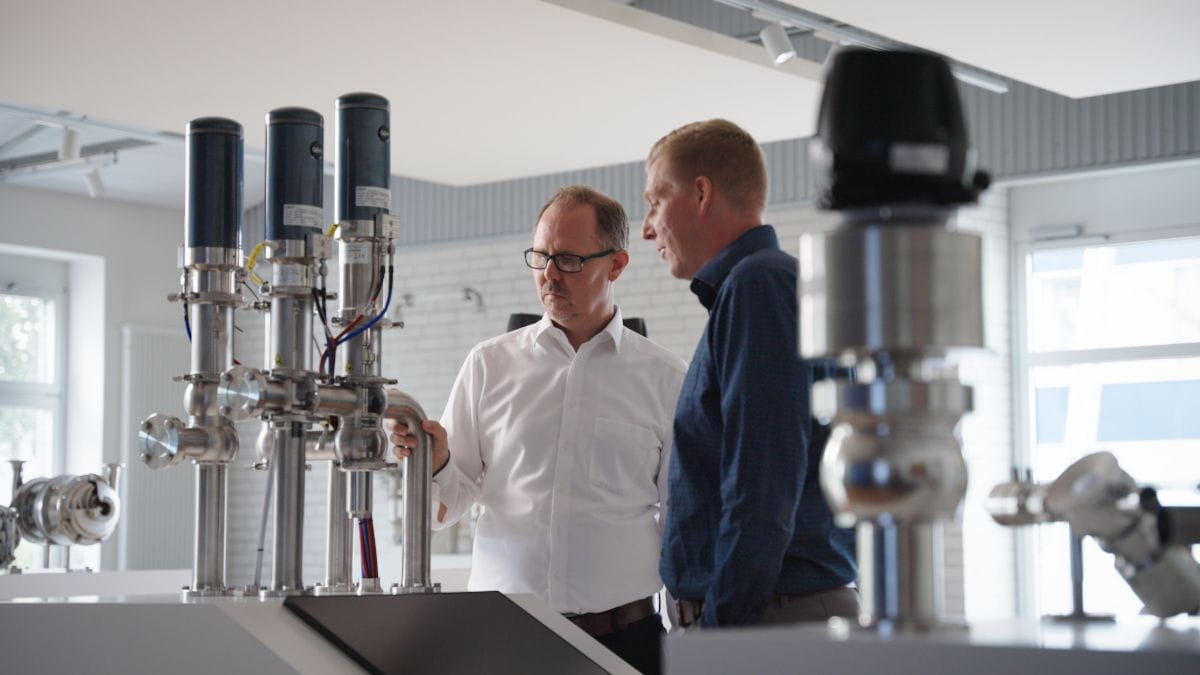
W jaki sposób zawór może wpływać na sposób produkcji żywności i napojów
Zazwyczaj w zakładach produkujących żywność i napoje zawory są uruchamiane za pomocą sprężonego powietrza. Tymczasem w GEA Hydract® Actuation Technology do sterowania zaworami wykorzystuje się wodę w zamkniętym obiegu sterowanym cyfrowo. W rezultacie otrzymujemy zawór, który można precyzyjnie utrzymać w odpowiednim położeniu i sterować nim z dużą dokładnością. Skutkuje to mniejszym zużyciem energii i większą kontrolą.
