


GEA meVap® Evaporation icon
By reusing vapor as a heating medium, the system can help reduce the requirement for live steam and associated operating costs, depending on the specific plant configuration and energy mix.
Thermal separation processes, such as evaporation, are energy-intensive. In the course of its development, the aim to efficiently use this energy and reduce costs first led to single-effect plants heated by live steam, then to multiple-effect plants, then to thermal vapor recompression, and finally to the use of mechanical vapor recompression systems.
In conventional evaporation plants, the energy content of the vapor stream produced is either lost or only partially reused. In comparison, mechanical vapor recompression allows the continuous recycling of this energy stream by recompressing the vapor to a higher pressure and, therefore, a higher temperature.
The compressed vapor can be used to heat the shell side of the evaporator. Instead of live steam, electric energy is used indirectly to heat the plant.
Supporting electrification and heat reuse in evaporation processes
GEA meVap® Evaporation can be integrated into diverse process configurations, supporting customers in:
- Optimizing their energy consumption with process-design options focused on energy use, heat integration and utility requirements.
- Reusing process heat for internal steam demands.
- Increasing plant efficiency through heat integration.
By supporting electrified steam generation and process heat reuse, GEA meVap® Evaporation can contribute to lower direct fossil fuel use in suitable applications. The actual environmental impact depends on operating conditions, the energy source used and the overall plant concept.
How does the meVap® Evaporation work?
An electrically driven compressor draws in the steam and increases its pressure and temperature in a single or multi-stage configuration. This raises the steam to a higher energy level, enabling it to be used directly as a heating medium.
Depending on the operating conditions of the plant, a small quantity of additional steam or the condensation of a small quantity of excess vapor may be required to maintain the overall evaporator heat balance and to ensure stable operating conditions, especially during start-up.
Due to their simplicity and maintenance-friendly design, single stage centrifugal fans (supplied as high-pressure fans) are used in evaporation plants. They operate at high flow velocities and are therefore suited for large flow rates at vapor compression ratios of 1:1.2 to 1:2. Rotational speeds typically ranges from 3,000 up to 12,000 rpm. For high pressure increases, multiple fans can be used.

Want to learn even more?
Webinar: Unlock the potential of meVap® evaporation for alumina refineries
- Learn the fundamentals of MVR and its thermodynamics
- Explore performance considerations
- Discover implementation options
- Consider project economics
Downloads
Powiązane produkty

GEA meVap® Compression
GEA meVap® Compression supports the electrification of industrial steam generation by using recovered process.

GEA meVap® Crystallization
GEA meVap® Crystallization works efficiently across various crystallization setups—even in saline or corrosive environments.

GEA meVap® Distillation
GEA provides two meVap® distillation solutions: Secondary Circuit Compression for steam reuse, and Direct Alcohol Compression for direct heating.

GEA meVap® eCalculator


GEA Insights
Przełom, który odmienił suszenie rozpyłowe
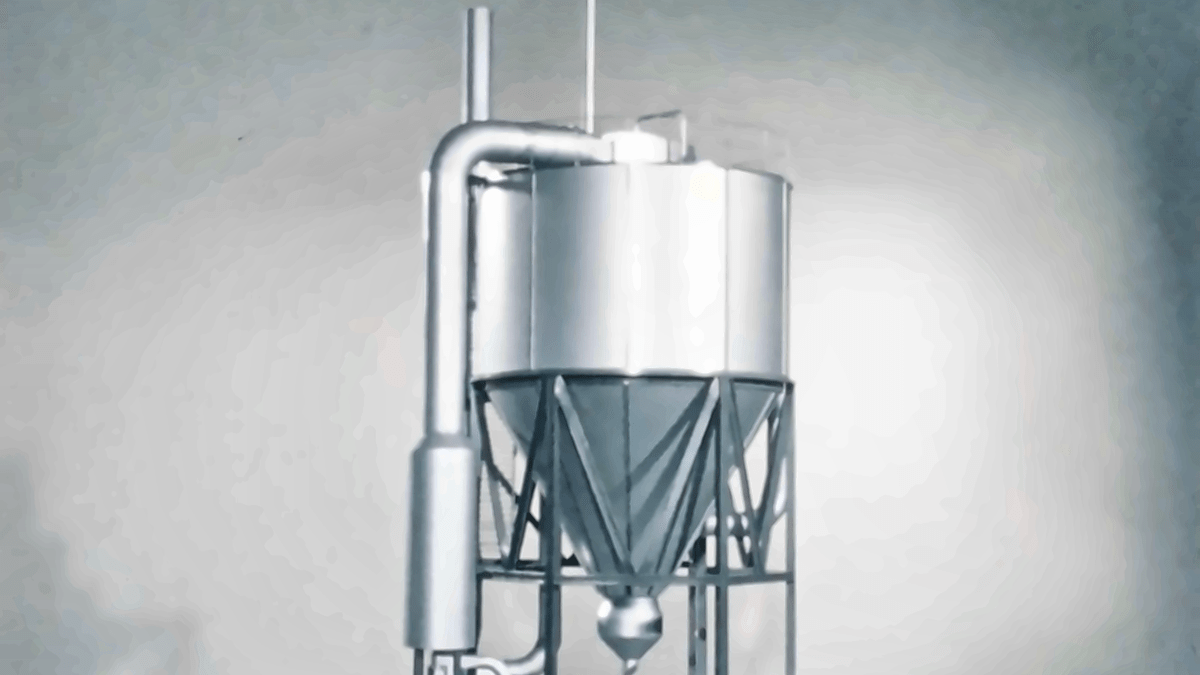
W 1976 roku inżynierowie NIRO odpowiedzieli na wyzwanie ze strony konkurencji, na nowo definiując możliwości suszenia rozpyłowego. Ich pomysł dał początek wielostopniowej suszarce MSD. Pięćdziesiąt lat później ta sama podstawowa zasada pomaga przekształcać płyny w proszki wykorzystywane na całym świecie do produkcji niezbędnych produktów żywieniowych i ważnych leków. Historia MSD, doskonalonej przez dziesięciolecia dzięki wiedzy inżynieryjnej, doświadczeniom klientów i ciągłemu rozwojowi, to historia innowacji o trwałym znaczeniu.

Więcej niż maszyna: klucz do poprawy wydajności zakładu
Wydajność maszyny nie przekłada się automatycznie na wydajność fabryki. Prawdziwa poprawa często zaczyna się od wyjścia poza ramy poszczególnych urządzeń i zrozumienia, w jaki sposób wzajemnie na siebie oddziałują procesy, systemy energetyczne i decyzje operacyjne. Jest to podejście kompleksowe, mające na celu odkrycie możliwości, które w przeciwnym razie mogłyby zostać przeoczone.

W jaki sposób zawór może wpływać na sposób produkcji żywności i napojów
Zazwyczaj w zakładach produkujących żywność i napoje zawory są uruchamiane za pomocą sprężonego powietrza. Tymczasem w GEA Hydract® Actuation Technology do sterowania zaworami wykorzystuje się wodę w zamkniętym obiegu sterowanym cyfrowo. W rezultacie otrzymujemy zawór, który można precyzyjnie utrzymać w odpowiednim położeniu i sterować nim z dużą dokładnością. Skutkuje to mniejszym zużyciem energii i większą kontrolą.
