
Real-Time Characterization of Lyophilized Products

The lyophilization of pharmaceutical products such as vaccines enhances their stability and shelf-life. However, these properties can only be maintained when the resulting cake has a residual water level of 0.2–5.0%.
For this reason, regulatory guidance indicates that this parameter must be controlled and determined. Until now, however, techniques to measure such properties have been both destructive and time-consuming, and therefore uneconomical.
Our GEA LYOSENSE® sensor uses multipoint NIR measurements to comprehensively and non-destructively evaluate freeze-dried product cakes in real-time. This easy-to-install and use online measuring device is a fast and a non-invasive solution to moisture determination, enabling the effortless detection of residual moisture.
GEA LYOSENSE® STATION for Mobile Testing
The LYOSENSE® STATION was designed for the quick, accurate and mobile testing of pharmaceutical glass vials for residual moisture. Mounted on wheels for easy maneuverability, the LYOSENSE® STATION is 900 mm wide and can readily pass through the doors and corridors of most pharmaceutical production areas.
Functions and Features

The LYOSENSE® and LYOSENSE® STATION automatically measure the residual moisture content in lyophilized glass vials, which are manually loaded via a tray on the infeed turntable. Process parameters such as vial speed can be controlled using an integrated touchscreen and residual moisture limits can be controlled by a laptop via an interface. Checked vials are stored on the outfeed table and can be collected manually on the infeed tray.
The NIR sensors measure the vials from the side and/or from below. The results are sent to an external computer, which is isolated from the process area and reports any out-of-specification data. Rejected vials are collected in a container adjacent to the conveyor.
This miniaturized probe is simple to calibrate and enhances product development by facilitating Quality by Design. It also offers the following benefits:
- fast measurement and evaluation (5 ms)
- no required consumables
- simple and easy user interface and operation
- single person operation
- accurate analysis of residual moisture (0.2–5.0% water content)
- 100% vial inspection (from 16.25–33.00 mm) at a rate of up to 100 per minute
- rejection of out-of-specification vials.
Documentation and Testing

Our LYOSENSE® products are verified before delivery in a factory acceptance test (FAT). The results comprise part of the documentation package. Designed to comply with the European Union’s CE Guidelines, they are supplied with a manual, safety instructions and wiring diagram.
Real-Time Residual Moisture Determinationin in Freeze Drying Process with GEA LYOSENSE®
Downloads
Powiązane produkty

LYOVAC® Pharma Freeze Dryer
GEA’s LYOVAC® industrial-scale freeze dryers are built to customer specifications and are available with production areas of 1–60 m² and condenser capacities of more than 1000 kg.

ALUS® Load & Unload of Lyophilizers
ALUS® Automatic Load & Unload Systems minimize the risk of operator/product contamination while loading and unloading a freeze dryer.
GEA Insights
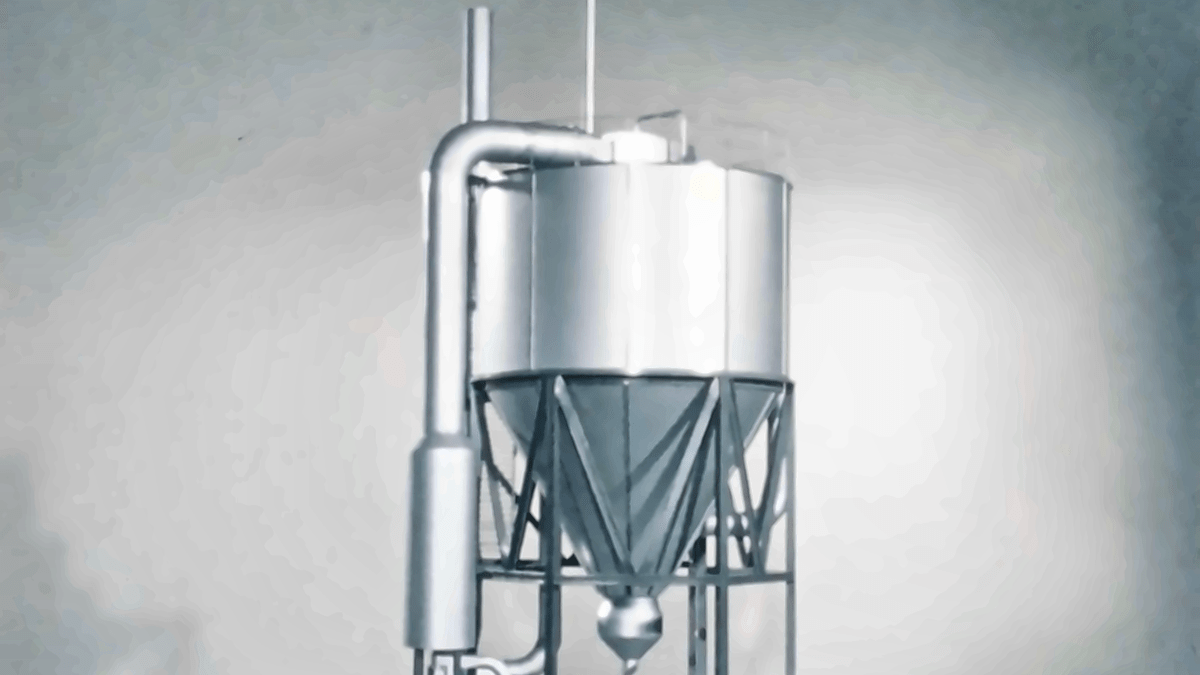
Przełom, który odmienił suszenie rozpyłowe
W 1976 roku inżynierowie NIRO odpowiedzieli na wyzwanie ze strony konkurencji, na nowo definiując możliwości suszenia rozpyłowego. Ich pomysł dał początek wielostopniowej suszarce MSD. Pięćdziesiąt lat później ta sama podstawowa zasada pomaga przekształcać płyny w proszki wykorzystywane na całym świecie do produkcji niezbędnych produktów żywieniowych i ważnych leków. Historia MSD, doskonalonej przez dziesięciolecia dzięki wiedzy inżynieryjnej, doświadczeniom klientów i ciągłemu rozwojowi, to historia innowacji o trwałym znaczeniu.

Więcej niż maszyna: klucz do poprawy wydajności zakładu
Wydajność maszyny nie przekłada się automatycznie na wydajność fabryki. Prawdziwa poprawa często zaczyna się od wyjścia poza ramy poszczególnych urządzeń i zrozumienia, w jaki sposób wzajemnie na siebie oddziałują procesy, systemy energetyczne i decyzje operacyjne. Jest to podejście kompleksowe, mające na celu odkrycie możliwości, które w przeciwnym razie mogłyby zostać przeoczone.

W jaki sposób zawór może wpływać na sposób produkcji żywności i napojów
Zazwyczaj w zakładach produkujących żywność i napoje zawory są uruchamiane za pomocą sprężonego powietrza. Tymczasem w GEA Hydract® Actuation Technology do sterowania zaworami wykorzystuje się wodę w zamkniętym obiegu sterowanym cyfrowo. W rezultacie otrzymujemy zawór, który można precyzyjnie utrzymać w odpowiednim położeniu i sterować nim z dużą dokładnością. Skutkuje to mniejszym zużyciem energii i większą kontrolą.
