

GEA OptiPartner® NiSoMate® is a stand-alone, in-line sensor-based device designed to monitor key fluid parameters continuously and in real time during the entire production cycle. Quality monitoring is based on ultrasound technology, which defines the physical characteristics of the processed fluid by analyzing variations in the speed of sound passing through the product itself.
How it works:
Its sensors and temperature probes can measure fluid properties and quality both before and after homogenization, generating reliable reference curves. The many parameters that the device monitors include particle size distribution, dilution, density, change in consistency, and temperature among others.
OptiPartner® NiSoMate® can be calibrated directly in situ and on the product(s) to set the required quality: the registered parameters are then stored in the system as reference for in-line analysis. The calibration develops a fingerprint for up to 250 configurable recipes. Then, the device measures and stores the fingerprint of each recipe in the controller, using it as the set point for product evaluation.
During production, the operator selects the recipe on the device control panel, and the device continuously compares the measured parameters to the recipe’s fingerprint. When deviations from the recipe are detected, an alarm alerts the operator, allowing them to adjust operating parameters in real time.
This minimizes product waste by ensuring consistent quality throughout production, eliminating reliance on spot sampling.
Key benefits of GEA OptiPartner® NiSoMate®:
Energy efficiency. Designed to help operators achieve the required product quality at the lowest pressure possible, optimizing energy consumption. High versatility. Tailored to customer requirements, customizable for all kinds of products, and compatible with all installations – from table-top units to industrial plants, on both new and existing machines. Safety and hygiene. CIP and SIP able, it meets even the most demanding requirements in sanitary and aseptic lines. Sensors are not in direct contact with the product for maximum safety and hygiene. Reduced waste. Automated configuration, continuous monitoring, and real-time process adjustments reduce the risk of product rework and loss. Improved plant capacity. No need to wait for laboratory analysis on product samples maximizes machine availability.
Additional benefits:
OptiPartner® and NiSoMate® are registered as trademarks in several countries worldwide.
Powiązane produkty

Homogenizatory z serii Ariete
Urządzenia Ariete to wysoce wydajne i niezawodne homogenizatory wysokociśnieniowe bazujące na najnowocześniejszej technologii i dopasowanych rozwiązaniach.

Homogenizator GEA Ariete 5400
Homogenizator Ariete 5400 to najpotężniejszy homogenizator na świecie

Homogenizator GEA Ariete 3160
Nowoczesne wysokociśnieniowe homogenizatory z serii Ariete są wyjątkowo wszechstronne i dostosowane do szerokiej gamy zastosowań: w przemyśle mleczarskim, branży napojów i alkoholi, przemyśle spożywczym, farmaceutycznym, chemicznym i kosmetycznym.

Instalacja pilotowa z homogenizatorami
Homogenizatory w instalacjach pilotowych są zaprojektowane do pracy ciągłej z ciśnieniem do 1500 barów i ograniczonej produkcji wraz z łatwym montażem „podłącz i używaj”, prostą obsługą i szybką konserwacją.
GEA Insights
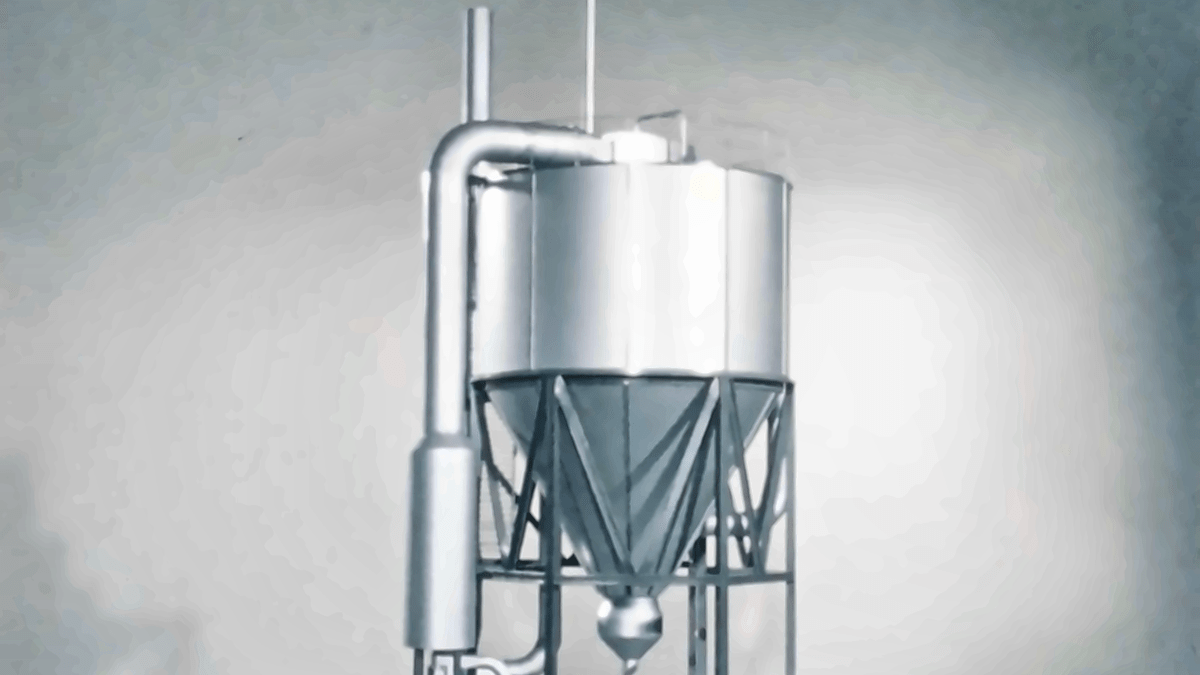
Przełom, który odmienił suszenie rozpyłowe
W 1976 roku inżynierowie NIRO odpowiedzieli na wyzwanie ze strony konkurencji, na nowo definiując możliwości suszenia rozpyłowego. Ich pomysł dał początek wielostopniowej suszarce MSD. Pięćdziesiąt lat później ta sama podstawowa zasada pomaga przekształcać płyny w proszki wykorzystywane na całym świecie do produkcji niezbędnych produktów żywieniowych i ważnych leków. Historia MSD, doskonalonej przez dziesięciolecia dzięki wiedzy inżynieryjnej, doświadczeniom klientów i ciągłemu rozwojowi, to historia innowacji o trwałym znaczeniu.

Więcej niż maszyna: klucz do poprawy wydajności zakładu
Wydajność maszyny nie przekłada się automatycznie na wydajność fabryki. Prawdziwa poprawa często zaczyna się od wyjścia poza ramy poszczególnych urządzeń i zrozumienia, w jaki sposób wzajemnie na siebie oddziałują procesy, systemy energetyczne i decyzje operacyjne. Jest to podejście kompleksowe, mające na celu odkrycie możliwości, które w przeciwnym razie mogłyby zostać przeoczone.

W jaki sposób zawór może wpływać na sposób produkcji żywności i napojów
Zazwyczaj w zakładach produkujących żywność i napoje zawory są uruchamiane za pomocą sprężonego powietrza. Tymczasem w GEA Hydract® Actuation Technology do sterowania zaworami wykorzystuje się wodę w zamkniętym obiegu sterowanym cyfrowo. W rezultacie otrzymujemy zawór, który można precyzyjnie utrzymać w odpowiednim położeniu i sterować nim z dużą dokładnością. Skutkuje to mniejszym zużyciem energii i większą kontrolą.
