

Built for processing of animal by-products into feed-grade and technical fats and proteins as well as biofuels feedstock
The meat Decanter pro series covers a wide range of processing tasks, including:
- High-temperature / dry rendering
- Blood meal processing
- Feed-grade applications
- Biofuels feedstock
Depending on process requirements, pro Decanters are available in 2-phase or 3-phase configurations, offering flexibility across multiple raw material streams and product goals for renderers and animal protein producers.
Pro Decanter Portfolio at a Glance
The portfolio spans from compact units to high-capacity machines, supporting various throughput demands with a capacity range from 1 – 10 m³/h and a feed dry solids load of 50 – 1,000 kg/h.
Increased Performance Where It Matters
Compared to previous ACD decanter generations (i.e. ACD 305), the meat Decanter pro series delivers a significant increase in G‑volume and performance with up to 27% higher G-volume.
Higher G‑forces and optimized bowl volumes translate directly into
- Improved separation efficiency
- Higher solids dryness
- Increased fat recovery
—all with a standardized, cost-efficient design approach.
Robust Design for animal fats and proteins production processes
The pro Decanter Series is designed with durability and reliability as top priorities in animal by-product processing. Standard materials for these applications are
Scroll: Duplex steel 1.4462
Bowl: Duplex steel 1.447
Additional wear protection solutions, i.e. tiles are available depending on machine size and application. The same applies to auto-greasing solutions, bearing-temperature and vibro sensors.
Drive options
- Single or two-gear drive concepts (machine-size dependent)
- High differential speed capability for stable solids transport
- Designed specifically for AFP operational ranges
Typical Customers & Industries
The pro Decanter series is successfully applied by:
- Slaughterhouses
- Animal by-product processors
- Rendering plants
- Engineering companies
- Feed and protein producers
Its price-competitive positioning makes it especially attractive for markets facing strong cost pressure while still demanding reliable separation performance.
Why choose the meat Decanter pro series?
- Increased G‑volume and performance vs. previous generations
- Highly standardized design
- Optimized for animal rendering conditions
- Strong price-performance ratio
- Proven across multiple animal fats and protein processing installations and customer types

Compared to the GEA meatMaster Decanter series, the pro series focuses on standardization and cost efficiency
meat Decanter pro vs. GEA meatMaster decanter
- Designed specifically for feed-grade animal by-products applications
- Reduced sanitary design features compared to GEA meatMaster decanters
- No centripetal pump, Varipond, or hinged hood
- Smaller differential speed ranges
- Limited sensor options (focused on essential monitoring)
This makes the pro series the right choice for applications where functionality and competitiveness outweigh hygienic design, flexible operation and process optimization requirements.
Downloads
Powiązane produkty

Separators for Animal By-Products
Rapid and clean processes, high yields and excellent product quality – our customers benefit in many ways with our separator portfolio for the recovery of animal fats and proteins.

Automation & Controls Separation
Even the best centrifuges cannot function optimally if they are not partnered with control systems of equal quality. For their range of separators and decanters, GEA offers standardized as well as tailor-made solutions for machine automation with many features to meet customer requirements.

Decanters for high-quality animal fat and protein recovery
Decanter centrifuges in sanitary design for the recovery of animal fats and proteins as ingredients in food, petfood and cosmetic applications.
Produkty serwisowe

Zdalne testy FAT wirówek GEA
Czy FAT (fabryczne testy akceptacyjne) Twojej wirówki nie są możliwe do przeprowadzenia na miejscu z powodu aktualnych ograniczeń w podróży, bardzo napiętego harmonogramu lub innych pilnych powodów? A może poszukujesz sposobów, aby uczynić procesy biznesowe bardziej cyfrowymi oraz trwale zredukować poświęcane koszty i czas? W obu przypadkach pozo...

Międzynarodowa Sieć Warsztatów Naprawy Wirówek GEA
Nasza ogólnoświatowa sieć obejmuje 17 autoryzowanych warsztatów naprawczych, a nasi specjaliści serwisowi są zawsze dyspozycyjni i chętnie wspierają klientów w ramach konserwacji sprzętu oraz obsługi i wymiany części zamiennych.
GEA Insights
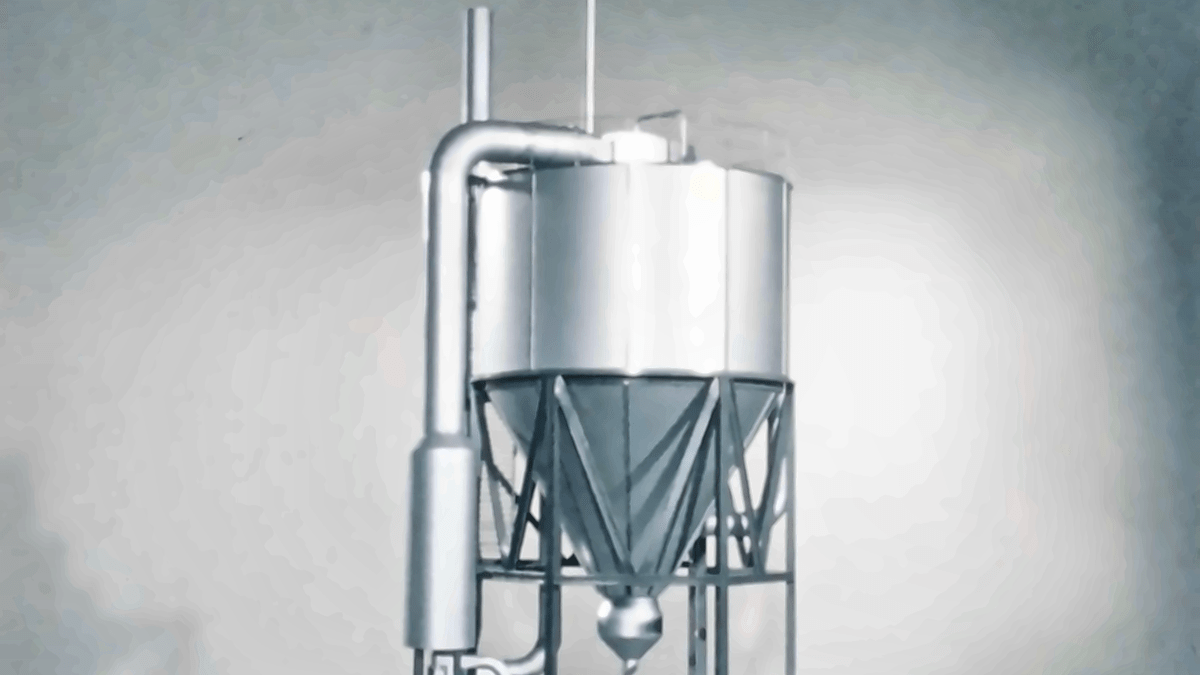
The breakthrough that changed spray drying
In 1976, NIRO engineers responded to a competitive challenge by rethinking what spray drying could do. Their idea became the multi-stage dryer MSD. Fifty years later, the same fundamental principle helps turn liquids into the powders used in essential nutrition products and important medicines around the world. Refined through decades of engineering expertise, customer insight and continuous development, MSD is a story of innovation with lasting impact.
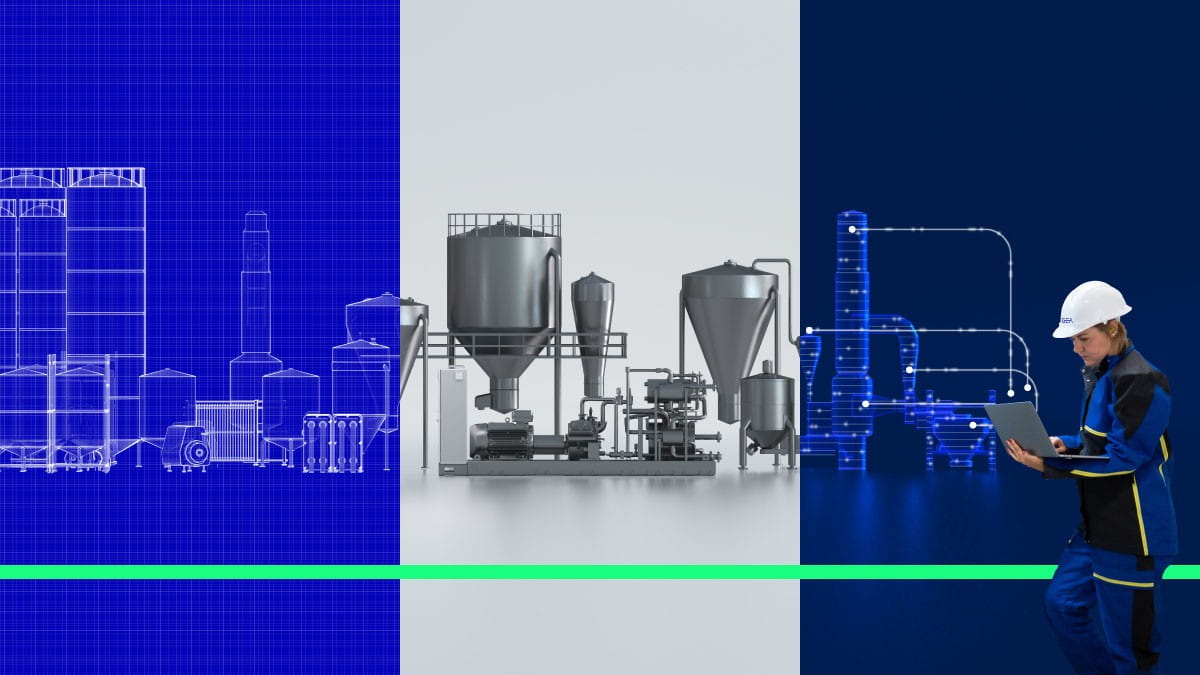
Więcej niż maszyna: klucz do poprawy wydajności zakładu
Wydajność maszyny nie przekłada się automatycznie na wydajność fabryki. Prawdziwa poprawa często zaczyna się od wyjścia poza ramy poszczególnych urządzeń i zrozumienia, w jaki sposób wzajemnie na siebie oddziałują procesy, systemy energetyczne i decyzje operacyjne. Jest to podejście kompleksowe, mające na celu odkrycie możliwości, które w przeciwnym razie mogłyby zostać przeoczone.
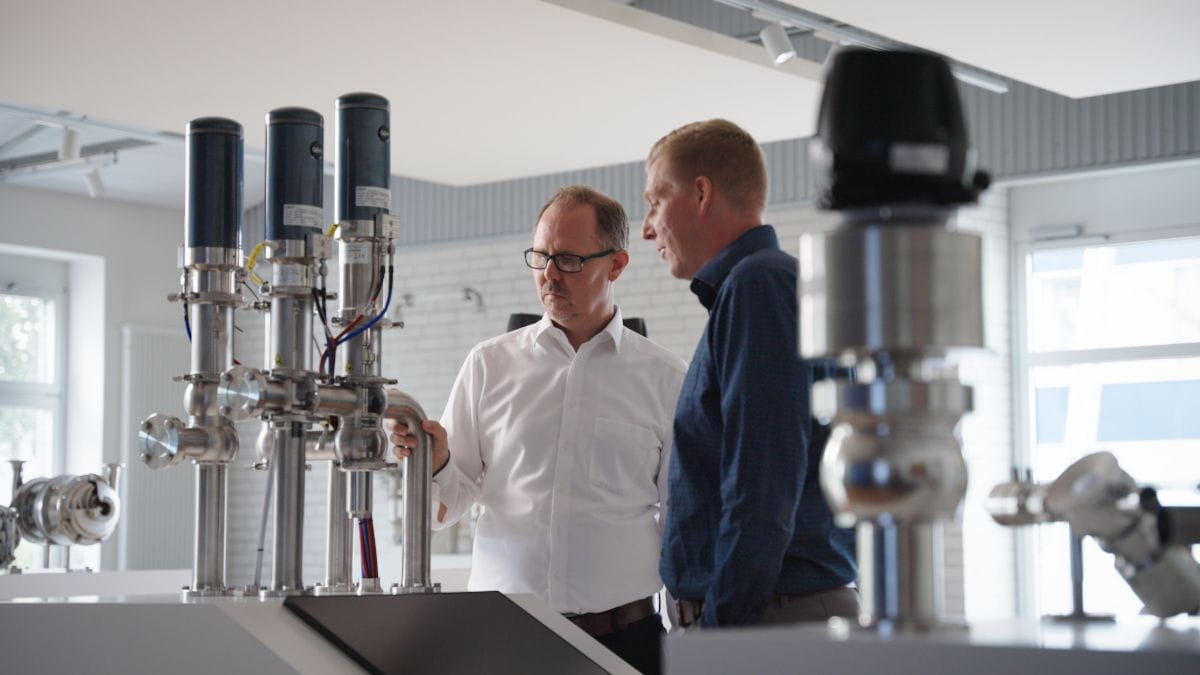
W jaki sposób zawór może wpływać na sposób produkcji żywności i napojów
Zazwyczaj w zakładach produkujących żywność i napoje zawory są uruchamiane za pomocą sprężonego powietrza. Tymczasem w GEA Hydract® Actuation Technology do sterowania zaworami wykorzystuje się wodę w zamkniętym obiegu sterowanym cyfrowo. W rezultacie otrzymujemy zawór, który można precyzyjnie utrzymać w odpowiednim położeniu i sterować nim z dużą dokładnością. Skutkuje to mniejszym zużyciem energii i większą kontrolą.
