Efficient process water treatment with GEA decanters
Concentrated to recycled sludge by means of settling or flotation processes, our powerful decanters treat the process water which is obtained in such a way that they reliably separate residual oil as well as micro-particles from the effluent so that high-quality olive oil can be produced and so that oil mills can considerably boost their yield. The process not only enables the volume of effluent to be reduced by 15 percent. It also reduces all parameters which are relevant for evaluating effluents; this means that effluent charges are also reduced.
Energy-efficient concentration using GEA concentration installations
As an environmentally-sound solution for the treatment of effluent from olive oil production, we also supply highly efficient concentration technology, with which the effluent can reliably be concentrated to 50% dry matter. The concentrate can subsequently be used as a fertilizer or, after the dry matter has been further increased, it can be incinerated and used for generating electrical energy. The evaporated water is condensed and can be reused as process water. GEA concentration installations can be entirely operated by way of using the waste heat of peripheral equipment and thus feature extremely energy-efficient operation.
- Environmentally-sound and added-value methods for treating effluents from olive oil production
- Processing with GEA decanters ensures a lower effluent load, reduced disposal costs and additional yield gains
- Energy-efficient concentration installations thanks to the use of waste heat for reliable concentration


Downloads
GEAインサイト
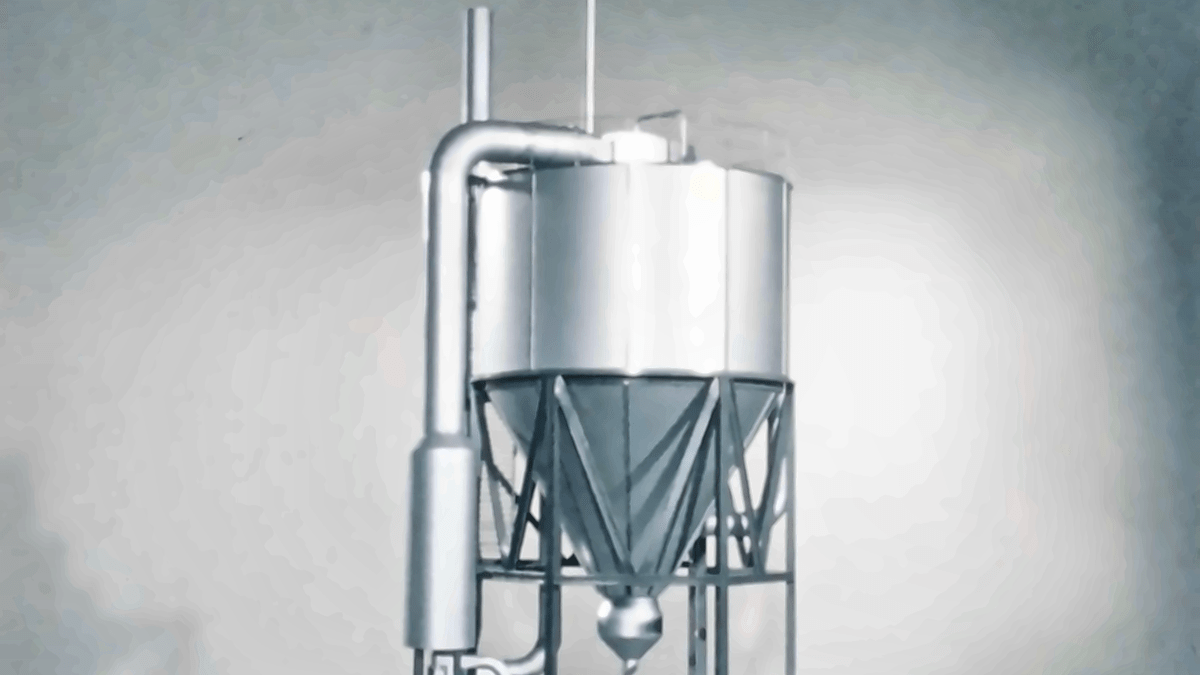
The breakthrough that changed spray drying
In 1976, NIRO engineers responded to a competitive challenge by rethinking what spray drying could do. Their idea became the multi-stage dryer MSD. Fifty years later, the same fundamental principle helps turn liquids into the powders used in essential nutrition products and important medicines around the world. Refined through decades of engineering expertise, customer insight and continuous development, MSD is a story of innovation with lasting impact.