
Caratteristiche tecniche
- Disponibile in acciaio o acciaio inox
- Gamma di materiali conformi agli standard tedeschi DIN EN12284, AD2000 Serie W
- Agenti: salamoia refrigerante fredda su base glicolica EN 378 p. 1, per es. NH3, R22, R134a e miscele con olio refrigerante, neutro, agenti liquidi e gassosi, salamoia fredda su base glicolica
- Posizione di montaggio: orizzontale e verticale per una direzione del flusso verso l'alto
| Valvole di ritegno e arresto RVAK | |
| variante | dritta o angolata |
| materiale | acciaio o acciaio inox |
| dimensioni nominali | DN 10-150 |
| pressione nominale | PS 25, PS 40, PS 63 |
| intervallo di temperatura | da -60 °C a +150 °C |
| collegamento | estremità DIN, ANSI saldate testa a testa estremità DIN, ANSI flangiate estremità saldate estremità a vite |
| altro | estensione del coperchio cuscinetto a sfera lineare |

Stop Check Valve type RVAK
Downloads
Prodotti correlati

Valvole di ritegno RVZ
Valvole di ritegno a forma di morsetto con/senza smorzatore integrato o con smorzatore integrato e cuscinetto per mandrino lineare.

Valvole di ritegno e arresto RVA
Valvole di ritegno con stelo ascendente con tenuta ad anello in PTFE sullo stelo - bloccabile.

Valvole di ritegno RV
Valvole a blocco automatico tramite la direzione inversa del flusso.
Prodotti di assistenza

Essiccatore di ammoniaca GEA
Un'integrazione efficace al sistema di refrigerazione. L'essiccatore di ammoniaca rimuove l'acqua dal ciclo refrigerante per un'aggiunta ideale al sistema di refrigerazione di ammoniaca insieme a filtri e spurgatori.

Oli per la refrigerazione ad ammoniaca di alta qualità PR-OLEO®
PR-OLEO® premium-quality ammonia refrigeration oils are highly refined 2-stage hydrocracked lubricants formulated specifically for use in ammonia refrigeration systems with either reciprocating or screw compressors.

Kit di assistenza GEA per compressori a vite e alternativi
Benvenuti nel mondo della semplicità con i kit di assistenza GEA per compressori a vite e alternativi. La nostra missione è chiara: garantire che la vostra esperienza con i ricambi originali sia perfetta e che le vostre attività siano più fluide che mai. "Scegli la semplicità, usa un kit" non è solo un invito: è l'espressione di una promessa che ...
Approfondimenti GEA
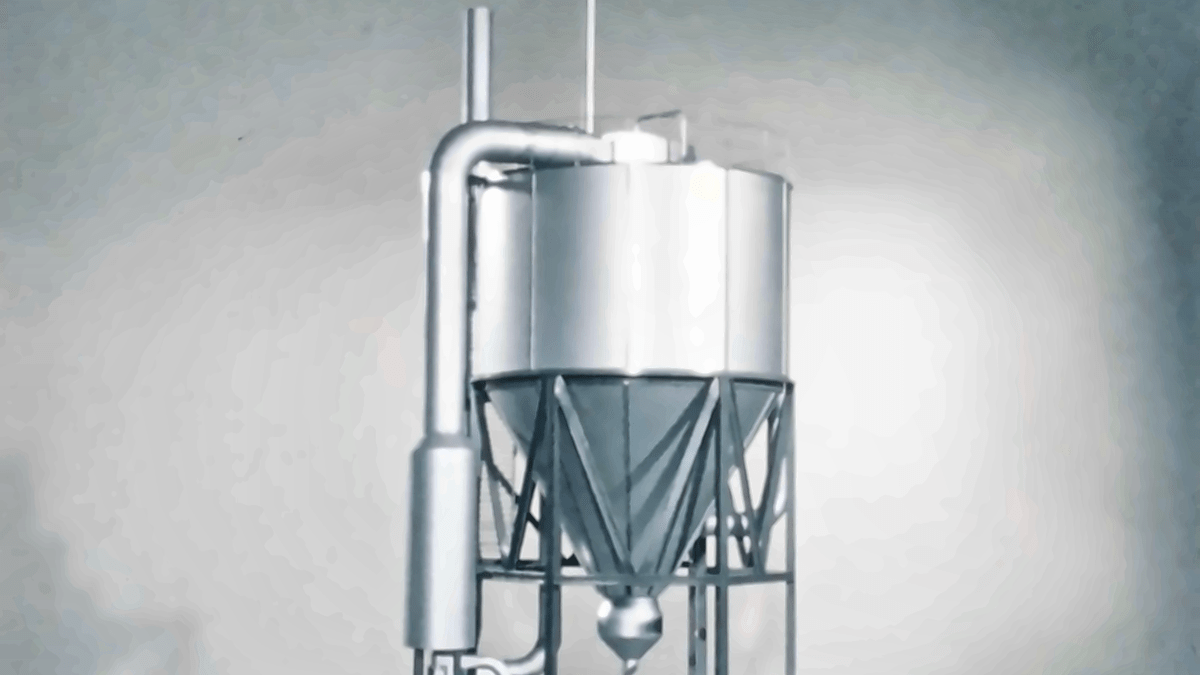
The breakthrough that changed spray drying
In 1976, NIRO engineers responded to a competitive challenge by rethinking what spray drying could do. Their idea became the multi-stage dryer MSD. Fifty years later, the same fundamental principle helps turn liquids into the powders used in essential nutrition products and important medicines around the world. Refined through decades of engineering expertise, customer insight and continuous development, MSD is a story of innovation with lasting impact.

Oltre le macchine: come migliorare le prestazioni dell’impianto
Una macchina efficiente non garantisce automaticamente l'efficienza di uno stabilimento. Il vero miglioramento spesso inizia guardando oltre le singole attrezzature e comprendendo come i processi, i sistemi energetici e le decisioni operative si influenzino a vicenda. Si tratta di un approccio olistico pensato per individuare opportunità che altrimenti potrebbero sfuggire.
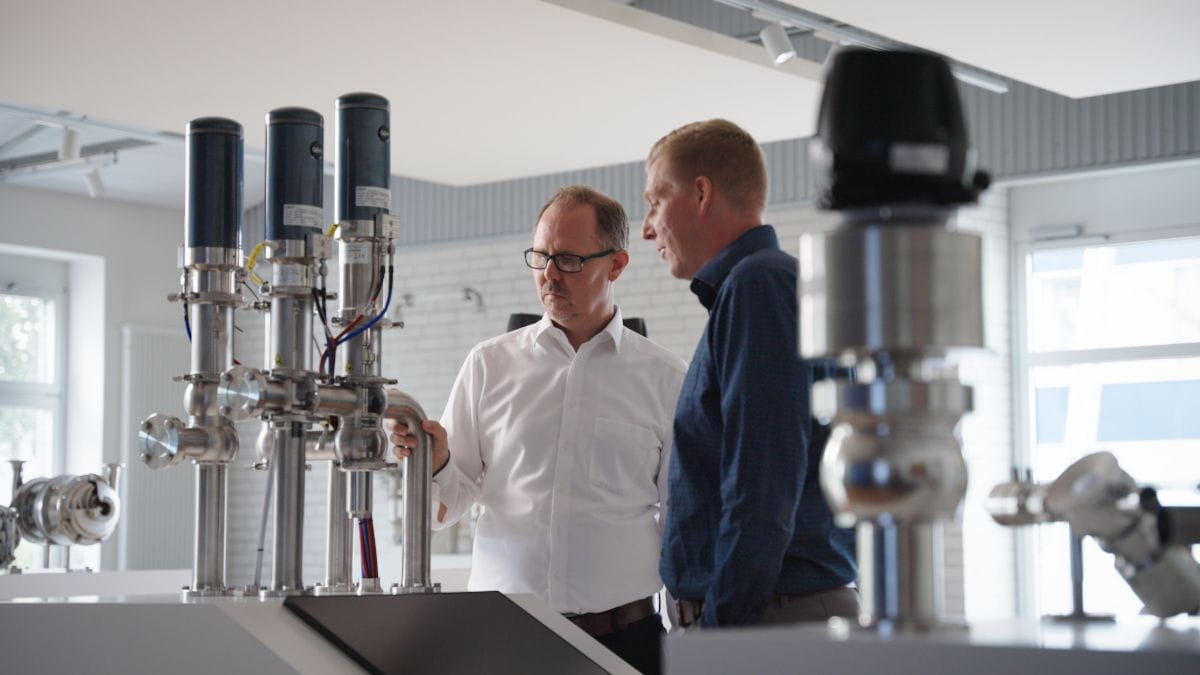
Come una valvola rivoluziona la produzione di alimenti e bevande
Negli impianti di produzione di alimenti e bevande, le valvole vengono solitamente azionate tramite aria compressa. GEA Hydract® Actuation Technology utilizza l'acqua all'interno di un circuito chiuso e controllato digitalmente. Il risultato è una valvola che può essere mantenuta esattamente in posizione e regolata con per piccoli incrementi con grande precisione. Ciò si traduce in un minor consumo energetico e in un maggiore controllo.
