

What is GEA Hydract® Actuation Technology?
GEA Hydract® actuation technology is an innovative water-hydraulic valve actuation solution integrated into the VARIVENT® modular valve portfolio. Designed for manufacturers seeking greater energy efficiency, precision and operational efficiency, hydraulic valve actuation reduces electrical energy consumption for valve actuation by more than 95% compared to pneumatic actiation. The technology delivers highly accurate valve positioning of up to ±0.03 mm for exceptional process stability and repeatability, while advanced digital integration enables real-time monitoring and predictive maintenance. By combining resource efficiency, precision control and digitalization in a single solution, GEA Hydract® actuation technology helps food, beverage, dairy and pharmaceutical manufacturers optimize production performance and unlock new opportunities for more efficient and flexible plant design.
Why GEA Hydract® Actuation Technology sets a new benchmark in hygienic valve technology


Energy Efficiency by Design
Reducing energy consumption is no longer optional. In hygienic processing plants, compressed air systems are among the most energy-intensive utilities. By replacing compressed air actuation with water-hydraulic technology, GEA Hydract® actuation technology dramatically reduces the energy required for valve operation.
Proven in industrial production
At Carlsberg Fredericia, Denmark, more than 700 Hydraulic valves have been operating since 2016, contributing to substantial reductions in energy consumption while enabling innovative inline blending processes.
Sustainability benefits

More than 95% lower energy consumption
Reduce electrical energy required for valve actuation compared to conventional pneumatic systems.
Lower CO₂ footprint
Cut indirect emissions by reducing utility demand and supporting plant sustainability goals.
Reduced utility infrastructure
Lower compressor load, fewer compressed-air losses and reduced infrastructure requirements.
Supports ESG objectives
Improve resource efficiency while contributing to long-term sustainability and decarbonization initiatives.
Investing in long-term value
While hydraulic valves typically require a higher initial investment than pneumatic alternatives, the total cost of ownership can be significantly lower.
Benefits include:
- Lower energy consumption
- Reduced compressor demand
- Reduced cleaning costs
- Increased process stability
- Less production variability
- Predictive maintenance capabilities
For many applications, return on investment can be achieved within approximately 5–6 years depending on operating conditions and plant configuration.
Precision that pneumatic systems cannot match
Hydraulic actuation behaves fundamentally differently from pneumatic systems.
Hydract® actuation leverages the incompressible nature of water to deliver precise, stable, and repeatable valve positioning. Unlike pneumatic systems, valve performance is not affected by pressure fluctuations, eliminating drift and valve flutter. The result is reliable process control and consistent product quality. These benefits make Hydract® actuation technology the ideal solution for critical applications such as inline blending, ingredient dosing, dairy standardization, high-gravity brewing, and pharmaceutical proportioning.
Real-world testing has demonstrated significantly higher positioning accuracy compared with conventional solutions.

Proven at industrial scale
Carlsberg Fredericia Brewery, Denmark
- 700+ Hydract® valves in operation
- Running continuously since 2016
- Inline blending of high-gravity beer
- More than 95% reduction in valve actuation energy use
- Up to 33% lower cleaning costs
- Reduced production lead times
- Elimination of intermediate blending tanks
"Our tests of the HYDRACT valve have exceeded our expectations. The precision and repeatability achieved with water hydraulics enables an entirely new approach to effective and sustainable beer production. It fundamentally changes the way we can produce beer in the future."
Anders Kokholm
Brewing Director, Carlsberg Supply Company Denmark

Why are manufacturers evaluating hydraulic valve actuation as an alternative to pneumatic systems?
Manufacturers are increasingly exploring hydraulic valve actuation because it offers:
- Lower energy consumption
- Reduced CO₂ footprint
- Higher positioning accuracy
- Greater process stability
- Improved digital transparency
- Innovative process design opportunities
Hydraulic actuation is particularly attractive for breweries, beverage plants, dairy processors and manufacturers pursuing sustainability and operational excellence initiatives.
Discuss your application with our experts
Frequently Asked Questions about GEA Hydract® Actuation Technology
Downloads
Approfondimenti GEA
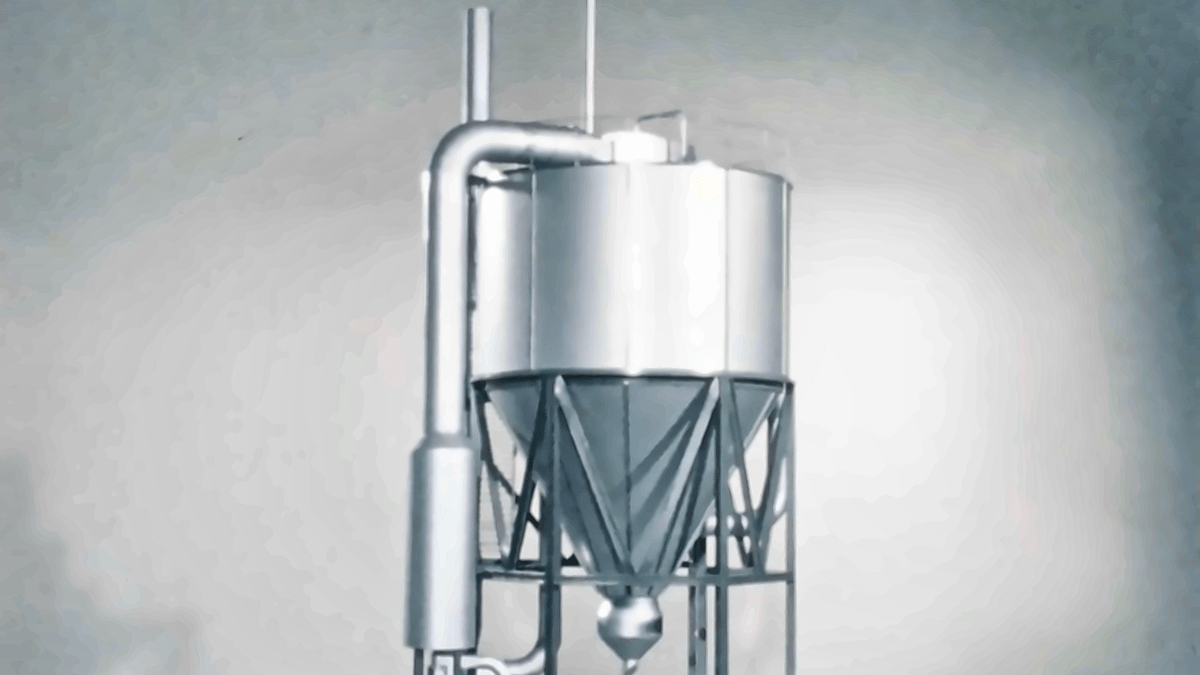
The breakthrough that changed spray drying
In 1976, NIRO engineers responded to a competitive challenge by rethinking what spray drying could do. Their idea became the multi-stage dryer MSD. Fifty years later, the same fundamental principle helps turn liquids into the powders used in essential nutrition products and important medicines around the world. Refined through decades of engineering expertise, customer insight and continuous development, MSD is a story of innovation with lasting impact.

Oltre le macchine: come migliorare le prestazioni dell’impianto
Una macchina efficiente non garantisce automaticamente l'efficienza di uno stabilimento. Il vero miglioramento spesso inizia guardando oltre le singole attrezzature e comprendendo come i processi, i sistemi energetici e le decisioni operative si influenzino a vicenda. Si tratta di un approccio olistico pensato per individuare opportunità che altrimenti potrebbero sfuggire.

Come una valvola rivoluziona la produzione di alimenti e bevande
Negli impianti di produzione di alimenti e bevande, le valvole vengono solitamente azionate tramite aria compressa. GEA Hydract® Actuation Technology utilizza l'acqua all'interno di un circuito chiuso e controllato digitalmente. Il risultato è una valvola che può essere mantenuta esattamente in posizione e regolata con per piccoli incrementi con grande precisione. Ciò si traduce in un minor consumo energetico e in un maggiore controllo.
