


Wired control for lagoon and articulated PTO pump hydraulic functions
This new wired remote is available with 8 different faceplates for different pump configurations. It is possible to add an optional wireless remote to control certain functions of the wired control. The wired control on the pump is required before adding the wireless remote control option.
- The wired remote is equipped with toggle switches and joysticks for configuration.
- It has a cable that is 18 ft (5.5 m) in length.

Wireless remote control to operate loading functions from the manure tanker tractor
The wireless remote control has the ability to control select hydraulic functions of the pump from a radius distance of up to 300 ft (91.5 m). This wireless remote is ideally suited for changing the rotative valve from agitation to loading mode, as well as maneuvering the articulated loading pipe. These options allow an operator to position a manure tanker and operate loading functions of the manure pump without leaving the tractor cab.

Quick and easy control of the PTO pump hydraulic functions from either the pump or the manure tank tractor. Strict distance parameters for operation set for higher safety level. Increased loads per hour and decreased operator fatigue because of the time saved staying in the tractor while loading their spreaders.
Downloads
Prodotti correlati

Agi-Pompe articolata
Il concetto alla base delle pompe articolate offerte da GEA è quello di collegare la pompa al trattore tramite un robusto attacco a tre punti e due articolazioni ad azionamento idraulico che consentono di posizionare la pompa in un lagone o in una vasca in calcestruzzo.

Super Pump articolata
La Super Pump articolata consente l'accesso a vasche in calcestruzzo ad ampio raggio e la potenza erogata è interamente riservata al pompaggio del liquame.

Elica Serie HE
Un prodotto dietro il quale si nasconde una vasta competenza

Agi-Pompe per lagoni
Queste pompe per impieghi gravosi omogeneizzano rapidamente il liquame liquido di lagoni.
Approfondimenti GEA
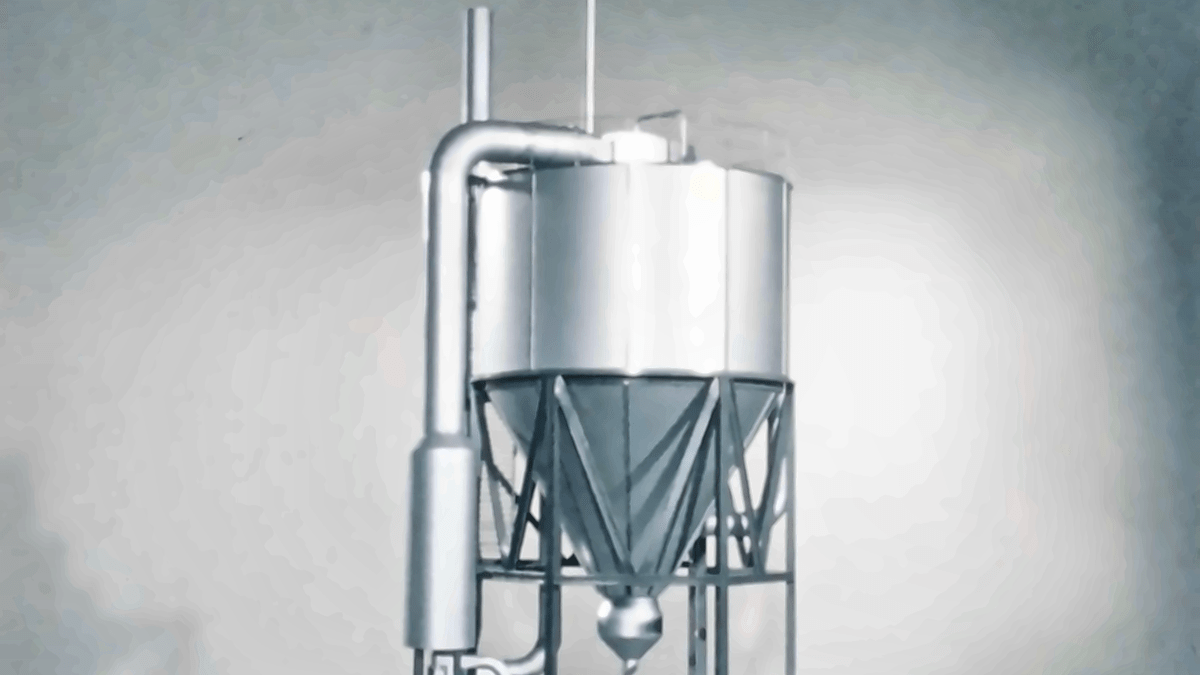
The breakthrough that changed spray drying
In 1976, NIRO engineers responded to a competitive challenge by rethinking what spray drying could do. Their idea became the multi-stage dryer MSD. Fifty years later, the same fundamental principle helps turn liquids into the powders used in essential nutrition products and important medicines around the world. Refined through decades of engineering expertise, customer insight and continuous development, MSD is a story of innovation with lasting impact.
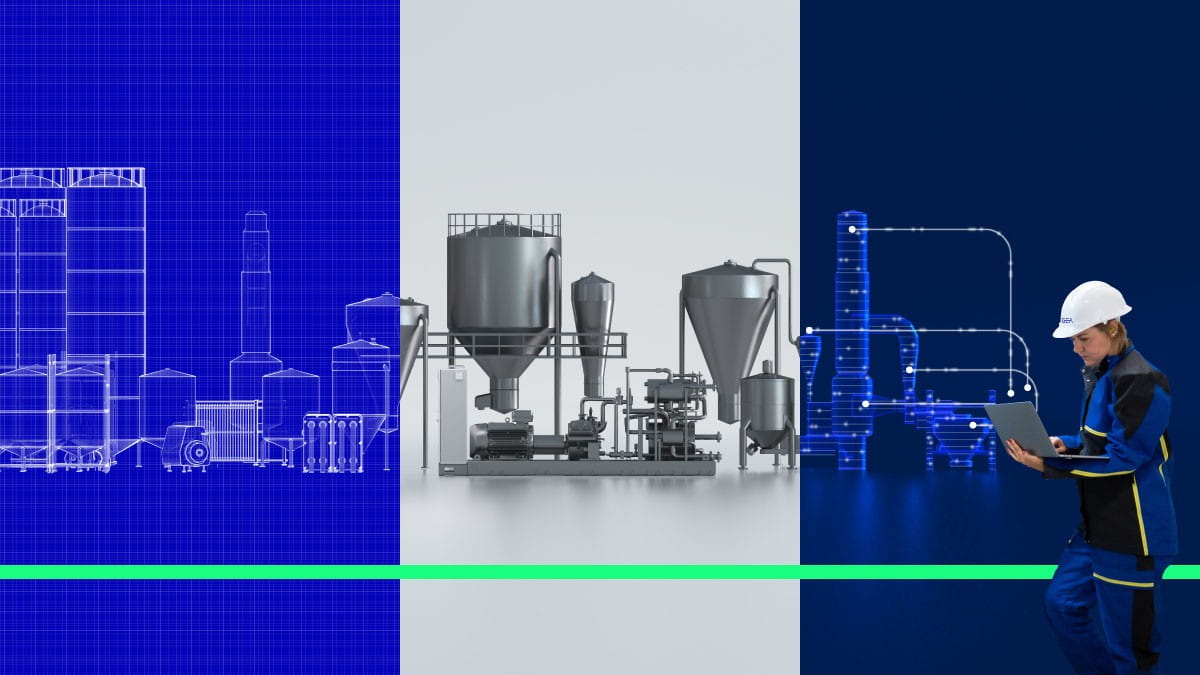
Oltre le macchine: come migliorare le prestazioni dell’impianto
Una macchina efficiente non garantisce automaticamente l'efficienza di uno stabilimento. Il vero miglioramento spesso inizia guardando oltre le singole attrezzature e comprendendo come i processi, i sistemi energetici e le decisioni operative si influenzino a vicenda. Si tratta di un approccio olistico pensato per individuare opportunità che altrimenti potrebbero sfuggire.
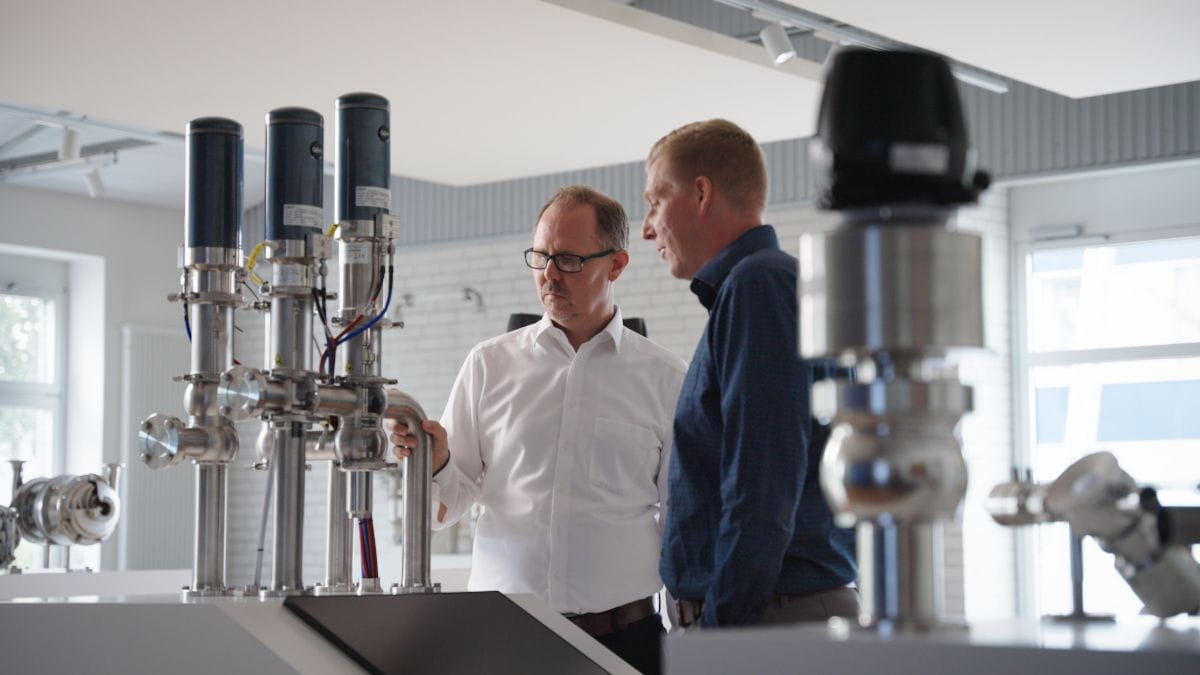
Come una valvola rivoluziona la produzione di alimenti e bevande
Negli impianti di produzione di alimenti e bevande, le valvole vengono solitamente azionate tramite aria compressa. GEA Hydract® Actuation Technology utilizza l'acqua all'interno di un circuito chiuso e controllato digitalmente. Il risultato è una valvola che può essere mantenuta esattamente in posizione e regolata con per piccoli incrementi con grande precisione. Ciò si traduce in un minor consumo energetico e in un maggiore controllo.
