

The system comprises the same twin-screw granulator as the smallest unit of the ConsiGma® CTL lines and a small dryer that’s similar to one of the drying segments. This allows you to develop your products on the same scale with product quantities starting from just a few 100 grams up to a few kilograms. The results are directly transferrable to the standard size ConsiGma® CTL.
The ConsiGma® 1 is ideal for pharmaceutical companies who wish to develop a continuous granulation process before the fully integrated production line is installed.
Standard Configuration
- One powder feeder
- One liquid addition system
- Twin-screw granulator
- One dryer segment
Available Options
- Brabender or Ktron Feeder
- Standalone ConsiGma® 1 w/out dryer segment
- Solvent-compatible
- Second liquid addition
- Lighthouse Probe® for LOD measurement
- Melt granulation set-up
Main Benefits
- Controlled granulation
- Less API use during R&D
- Fast R&D
- Reduced time-to-market
- No scale-up from ConsiGma® 1 to ConsiGma® CTL 25
Read more about how GEA and its partners are implementing this technology to lead the way toward smaller, more flexible, continuous processing technologies that are transforming the future of pharmaceutical development and manufacturing.
Downloads
Prodotti correlati

ConsiGma® Film Coater
The ConsiGma® Film Coater is based on the GEA high-performance tablet coating technology that gently and accurately deposits controlled amounts of coating materials onto tablet cores — even if they are hygroscopic or friable.

ConsiGma® Direct Compression with Linear Blending (DC-LB) Lines
A highly integrated solution for continuous linear blending and direct compression, the ConsiGma® DC-LB lines offer all the advantages of continuous manufacturing: supply chain agility, small footprint, controlled blending and compression and improved quality.

ConsiGma® Granulation and Compression (GC) Lines
Highly integrated solutions for continuous wet granulation, drying and tablet compression, the ConsiGma® GC lines offer all the advantages of continuous manufacturing: supply chain agility, small footprint, controlled granulation and improved quality.

Lighthouse Probe® - online measurement
The Lighthouse Probe® can be used for real-time monitoring of chemical and pharmaceutical processes and provides in-process window cleaning at any time, recalibration during the process, full CIP (cleaning) of wash housing and seal, and a clear view inside – even in difficult conditions.
Approfondimenti GEA
The breakthrough that changed spray drying
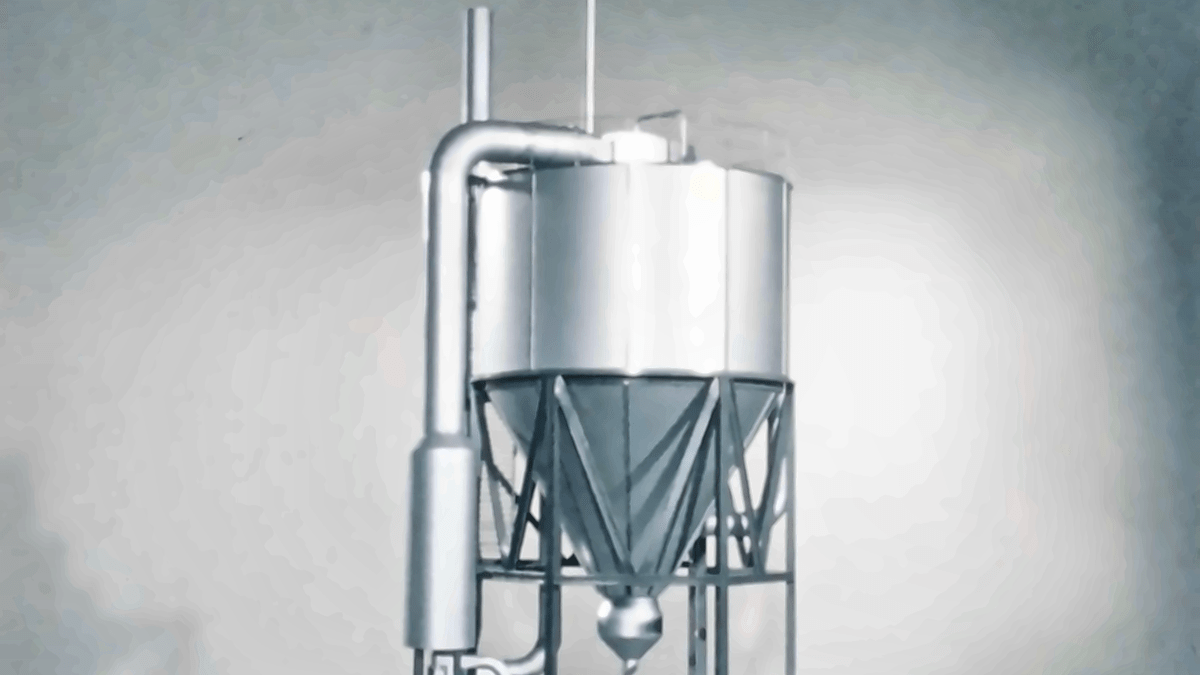
In 1976, NIRO engineers responded to a competitive challenge by rethinking what spray drying could do. Their idea became the multi-stage dryer MSD. Fifty years later, the same fundamental principle helps turn liquids into the powders used in essential nutrition products and important medicines around the world. Refined through decades of engineering expertise, customer insight and continuous development, MSD is a story of innovation with lasting impact.
Oltre le macchine: come migliorare le prestazioni dell’impianto
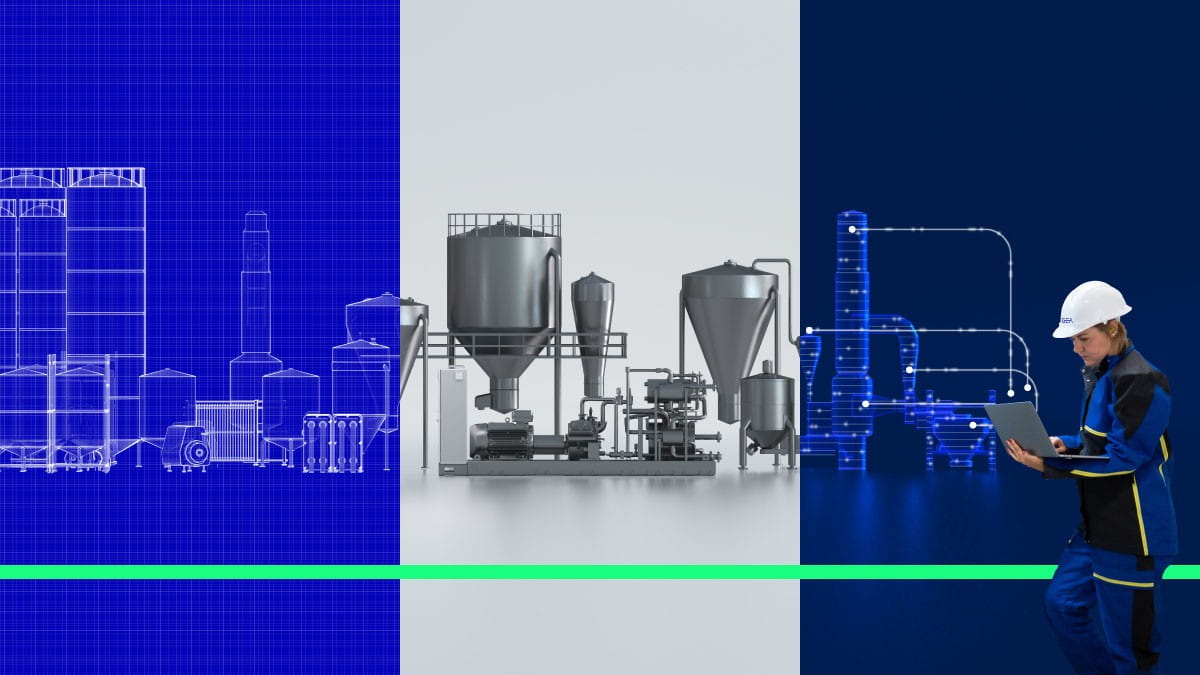
Una macchina efficiente non garantisce automaticamente l'efficienza di uno stabilimento. Il vero miglioramento spesso inizia guardando oltre le singole attrezzature e comprendendo come i processi, i sistemi energetici e le decisioni operative si influenzino a vicenda. Si tratta di un approccio olistico pensato per individuare opportunità che altrimenti potrebbero sfuggire.
Come una valvola rivoluziona la produzione di alimenti e bevande
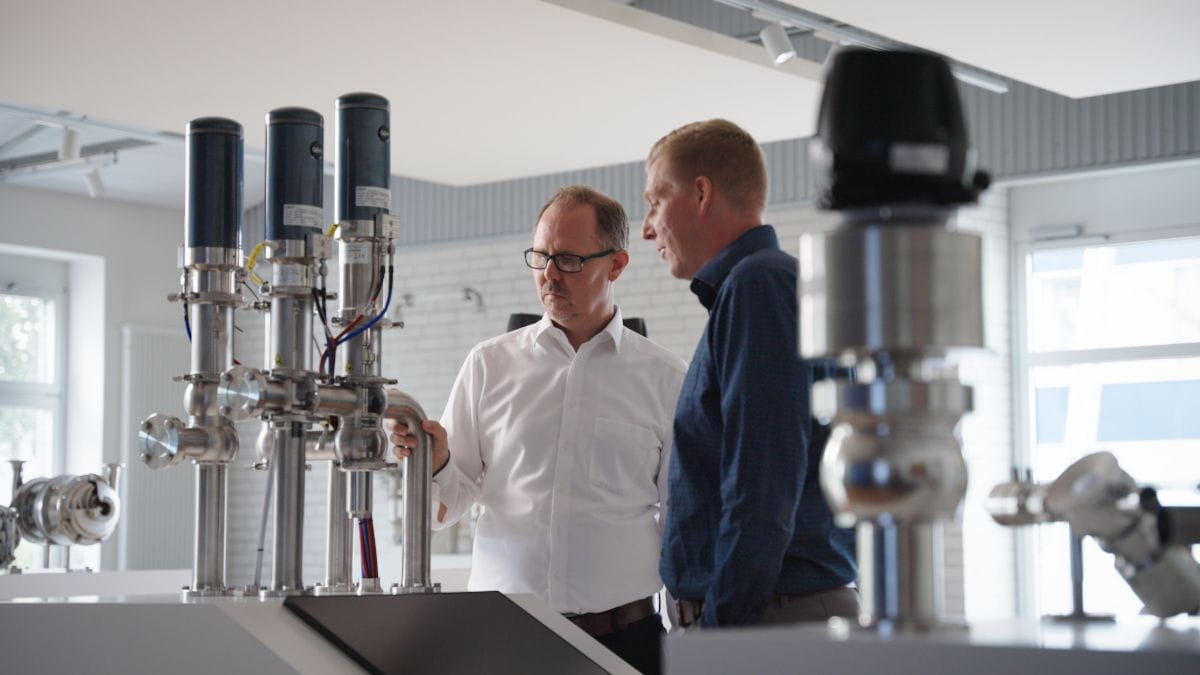
Negli impianti di produzione di alimenti e bevande, le valvole vengono solitamente azionate tramite aria compressa. GEA Hydract® Actuation Technology utilizza l'acqua all'interno di un circuito chiuso e controllato digitalmente. Il risultato è una valvola che può essere mantenuta esattamente in posizione e regolata con per piccoli incrementi con grande precisione. Ciò si traduce in un minor consumo energetico e in un maggiore controllo.
