

One system. Less complexity. More confidence.
The GEA methanol Fuel2Engine System provides one coordinated solution for the complete fuel handling process – from fuel conditioning to engine injection. By combining the GEA methanol Booster Unit and GEA methanol Valve Train, it reduces interfaces, simplifies integration and ensures reliable methanol fuel supply. As one of the few suppliers offering both components, GEA delivers a fully integrated system or standalone solutions tailored to your project requirements.

Reliable methanol fuel conditioning for safe engine operation.
GEA methanol Booster Unit
The GEA methanol Booster Unit pressurizes and conditions methanol to the precise pressure and temperature required for engine injection. Designed for continuous operation in demanding marine environments, it ensures a stable fuel supply while supporting safe and efficient engine performance.
Built on more than 25 years of booster technology expertise and over 130 years of marine fuel handling experience. Engineered for methanol compatibility and approved by all major classification societies, it provides a reliable, future-ready solution for both newbuild and retrofit projects.

Precise fuel control for reliable engine performance.
GEA methanol Valve Train
The GEA methanol Valve Train precisely controls and meters methanol at the critical interface between fuel conditioning and engine injection. Designed for accurate fuel delivery and dependable operation, it helps ensure safe, efficient and reliable engine performance under demanding marine conditions.
Developed according to the official Everllence design package, the system will be approved and certified for both 2-stroke and 4-stroke engines. Engineered to operate seamlessly with the GEA methanol Booster Unit, it simplifies system integration and delivers a coordinated fuel supply solution for methanol-powered vessels.
Downloads
Prodotti correlati

GEA marine Separator
Marine separators specialize in the purification of fuel and lube oil as well as bilge and EGR water treatment on board ships.

GEA biofuel Separator
GEA biofuel Separators are tailored to the specific characteristics of biofuels, efficiently separating water and contaminants to meet the stringent requirements of the industry.

GEA ecomarine Separator
The GEA ecomarine Separator is an energy-efficient solution for lube oil treatment and a cost-effective alternative to traditional filter systems.

GEA bilge Separator
GEA bilge Separator with integrated direct drive is designed for cleaning oily water and producing minimum residual oil contents in all performance classes.
Approfondimenti GEA
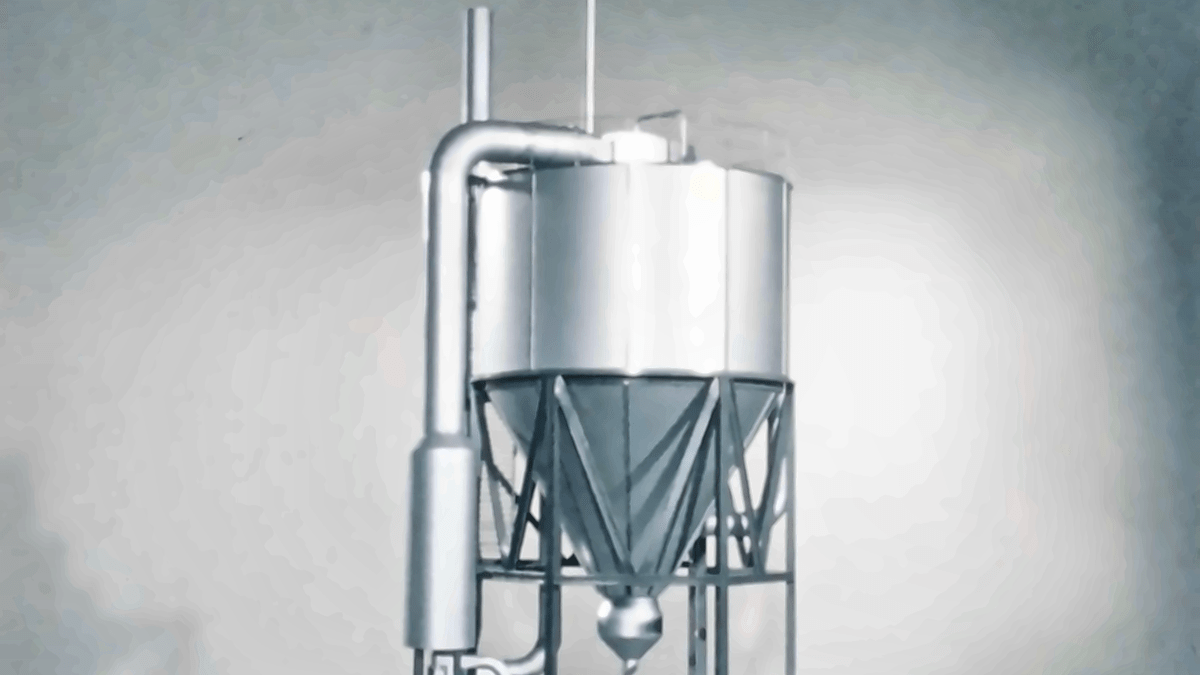
The breakthrough that changed spray drying
In 1976, NIRO engineers responded to a competitive challenge by rethinking what spray drying could do. Their idea became the multi-stage dryer MSD. Fifty years later, the same fundamental principle helps turn liquids into the powders used in essential nutrition products and important medicines around the world. Refined through decades of engineering expertise, customer insight and continuous development, MSD is a story of innovation with lasting impact.
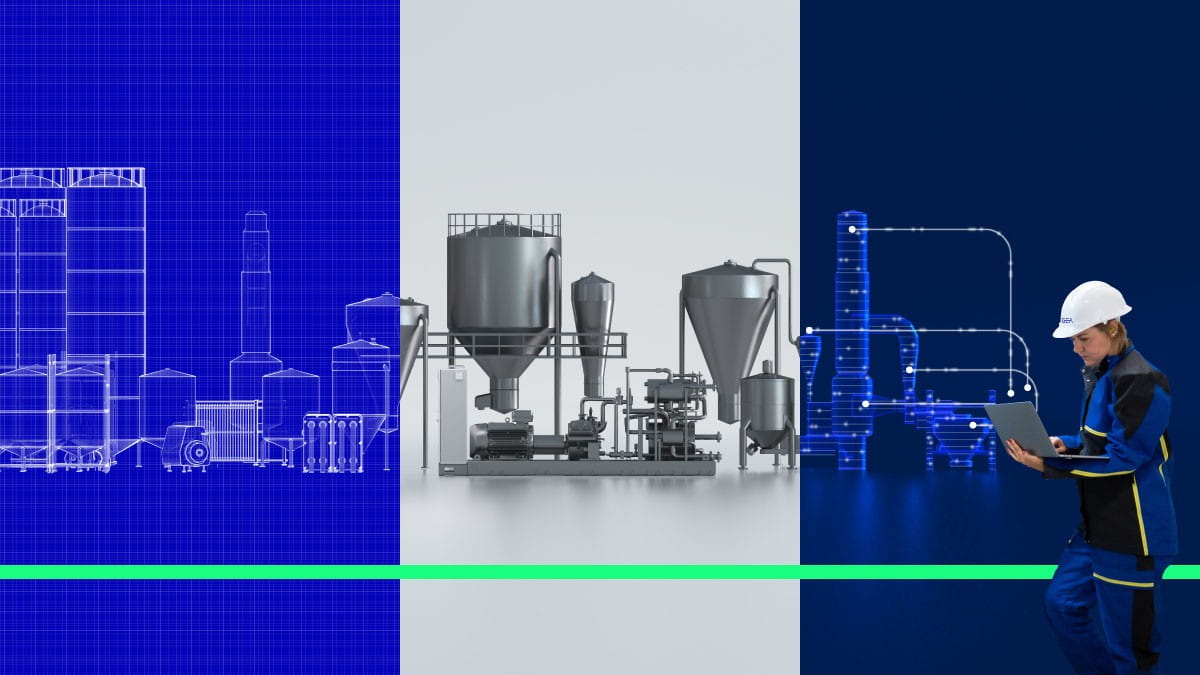
Oltre le macchine: come migliorare le prestazioni dell’impianto
Una macchina efficiente non garantisce automaticamente l'efficienza di uno stabilimento. Il vero miglioramento spesso inizia guardando oltre le singole attrezzature e comprendendo come i processi, i sistemi energetici e le decisioni operative si influenzino a vicenda. Si tratta di un approccio olistico pensato per individuare opportunità che altrimenti potrebbero sfuggire.
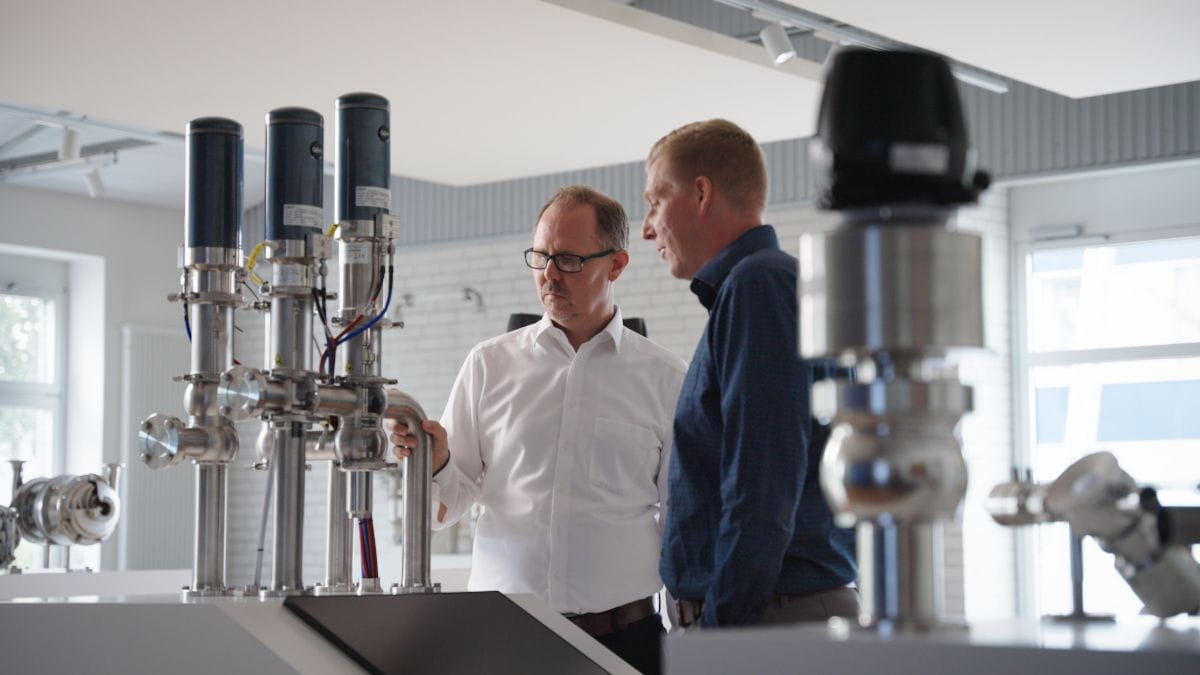
Come una valvola rivoluziona la produzione di alimenti e bevande
Negli impianti di produzione di alimenti e bevande, le valvole vengono solitamente azionate tramite aria compressa. GEA Hydract® Actuation Technology utilizza l'acqua all'interno di un circuito chiuso e controllato digitalmente. Il risultato è una valvola che può essere mantenuta esattamente in posizione e regolata con per piccoli incrementi con grande precisione. Ciò si traduce in un minor consumo energetico e in un maggiore controllo.
