

GEA Flocmix® FLD-FLM and FLD-COM
The GEA Flocmix® FLD-FLM and FLD-COM are continuously operating preparation and dosing systems (polymer dosing systems) for emulsion and dispersion polymers. The fully automated systems prepare the ready-to-use polymer solution according to process demand and dose it precisely into the process. Operation requires only electricity, polymer concentrate, water and an input signal for the sludge flow rate. A signal from the dry solids measurement can also be integrated as an option.
At the heart of each system is a GEA Flocmix® high-intensity mixer specifically developed for dissolving polymer concentrates: the GEA Flocmix® IMS mixer in the FLD-FLM, and the GEA Flocmix® IM2CA mixer in the FLD-COM. The systems are equipped with the required pumps and complete measurement and control technology. The controller allows the concentration of the ready-to-use solution and the polymer dosage to be set precisely. Its automatic dynamic control function adjusts dosing during operation according to process demand and changing conditions.
Available configurations
- GEA Flocmix® FLD-FLM
Equipped with the Flocmix® Mixer IMS, a polymer concentrate pump and a dilution water pump
- GEA Flocmix® FLD-COM
Equipped with the Flocmix® Mixer IM2CA and a polymer concentrate pump
Key effects and benefits
- Optimal properties and consistently high quality of the ready-to-use polymer solution
- Continuous, fully automated operation
- Demand-based dosing through automatic dynamic control
- Precise adjustment of polymer concentration and dosage
- Reduced polymer consumption and prevention of polymer losses
- Lower operating costs and fast return on investment
- Compact, space-saving design
Polymer preparation without aging time
In conventional tank systems, the polymer emulsion is often mixed with water using insufficient energy input. As a result, polymer inversion, dispersion and hydration take place slowly and unevenly, meaning the prepared solution requires an aging time before achieving its full effectiveness. Undissolved agglomerates can also lead to polymer losses.
In the GEA Flocmix® FLD-FLM, polymer emulsion and dilution water are precisely metered by frequency-controlled pumps and combined in the high-intensity GEA Flocmix® Mixer IMS. The targeted energy input creates a three-dimensional polymer network structure, activating and hydrating the polymer immediately. The prepared solution is ready for use without any aging time and can be fed directly into the sludge conditioning process.
Since the solution is prepared continuously and according to actual demand, there is no need for extended storage. This is an advantage because prepared polymer solutions do not remain stable indefinitely. Depending on the polymer type, concentration, temperature and water quality, their effectiveness can decrease over time.
What does aging time mean for emulsion polymers?
Aging time generally refers to the period allowed between mixing the polymer emulsion with water and using the prepared solution. A more technically accurate term is preparation or hydration time, as the key processes are polymer inversion, dispersion and hydration.
Not every emulsion polymer requires a predefined aging time. What matters is the polymer's activation state at the time of application. The time required for preparation depends on the polymer, the concentration of the prepared solution, the dilution water and, above all, the mixing and preparation conditions. A longer aging time is therefore not necessarily better. Once the polymer has been sufficiently prepared, additional storage time offers no benefit. Polyacrylamides can undergo mechanical, chemical, biological and photochemical degradation while in solution.
How the system calculates the dosage
The system automatically calculates the required dosage based on the sludge flow rate, dry solids content, desired concentration of the prepared solution and target polymer dosage. From these parameters, it determines the required flow rates of polymer concentrate and dilution water.
The concentration of the prepared solution can be set to up to 1%. If sludge flow rates fluctuate, the autodynamic control system continuously adjusts the polymer feed accordingly, preventing both overdosing and underdosing.
Prodotti correlati

Decanter GEA per biosolidi
Il decanter per biosolidi GEA è una centrifuga continua con tamburo a parete solida orizzontale progettato appositamente per i requisiti di (pre)disidratazione e ispessimento dei fanghi municipali.

Decanter GEA per fanghi
I decanter per fanghi GEA rappresentano una soluzione ad alta efficienza energetica per la disidratazione dei fanghi delle acque reflue industriali e dei fanghi derivanti dal trattamento delle acque.

Miscelatori GEA Flocmix
La gamma di miscelatori GEA Flocmix® offre sistemi di miscelazione in linea all'avanguardia, progettati per una miscelazione ottimale di prodotti di alta qualità. Grazie a decenni di esperienza e a una profonda competenza nei processi, forniamo soluzioni su misura, affidabili ed efficienti per settori quali quello chimico, farmaceutico, alimentar...
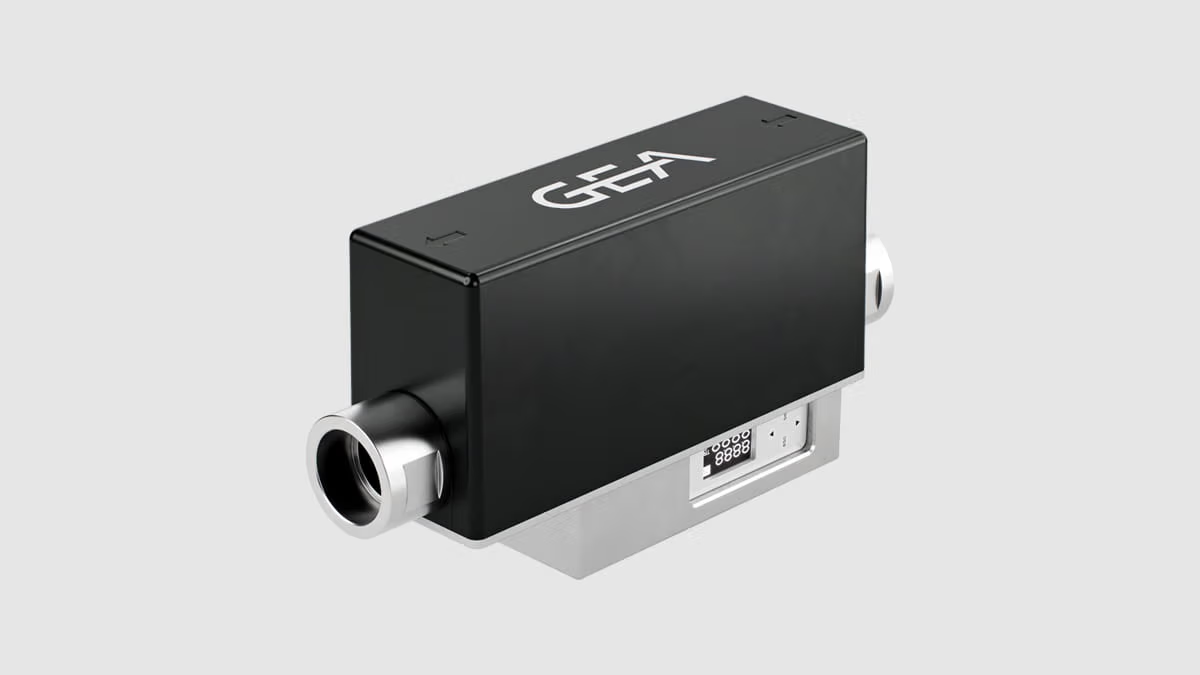
GEA Flocmix® Sensors
GEA Flocmix® Sensors continuously monitor centrate quality and dynamically adapt to changing process conditions. They help maximize dry solids content, reduce polymer consumption, and maintain consistently high separation performance for efficient, cost-effective sludge dewatering.
Approfondimenti GEA
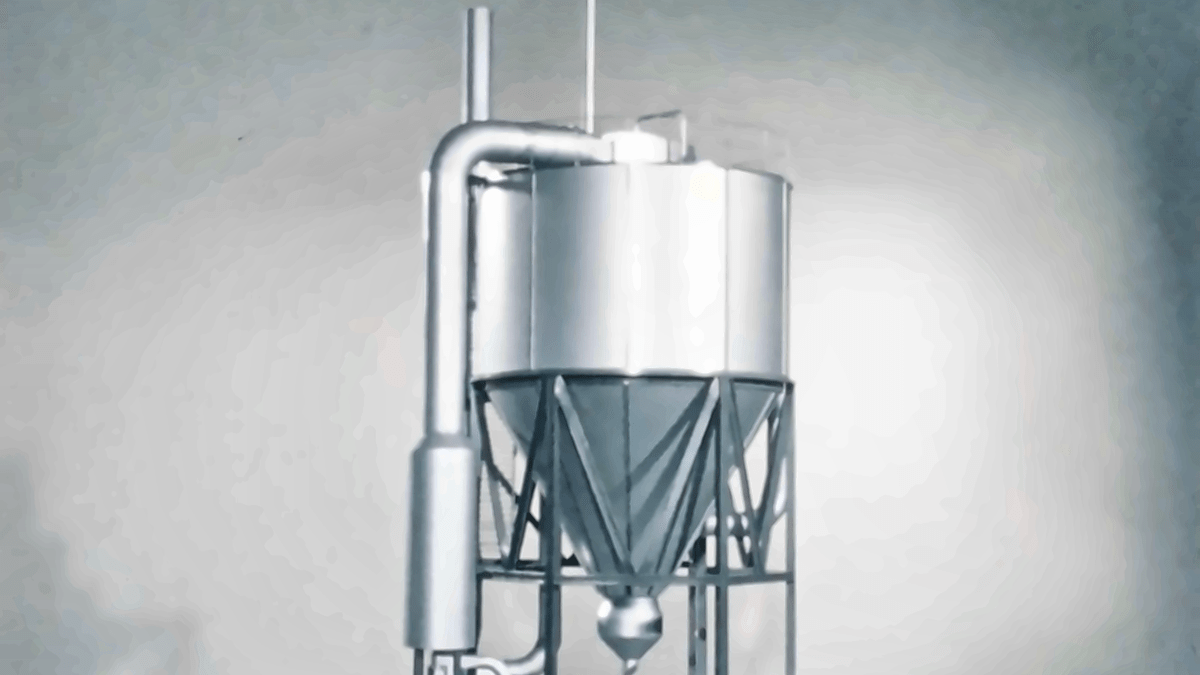
La svolta che ha rivoluzionato lo spray drying
Nel 1976, gli ingegneri di NIRO risposero a una sfida della concorrenza ripensando radicalmente le potenzialità dello spray drying. Da questa intuizione nacque l'essiccatore multistadio MSD. Cinquant'anni dopo, lo stesso principio fondamentale contribuisce a trasformare i liquidi nelle polveri utilizzate in prodotti nutrizionali essenziali e in importanti farmaci in tutto il mondo. Perfezionato grazie a decenni di competenza ingegneristica, attenzione alle esigenze dei clienti e sviluppo continuo, l'MSD rappresenta una storia di innovazione dall'impatto duraturo.
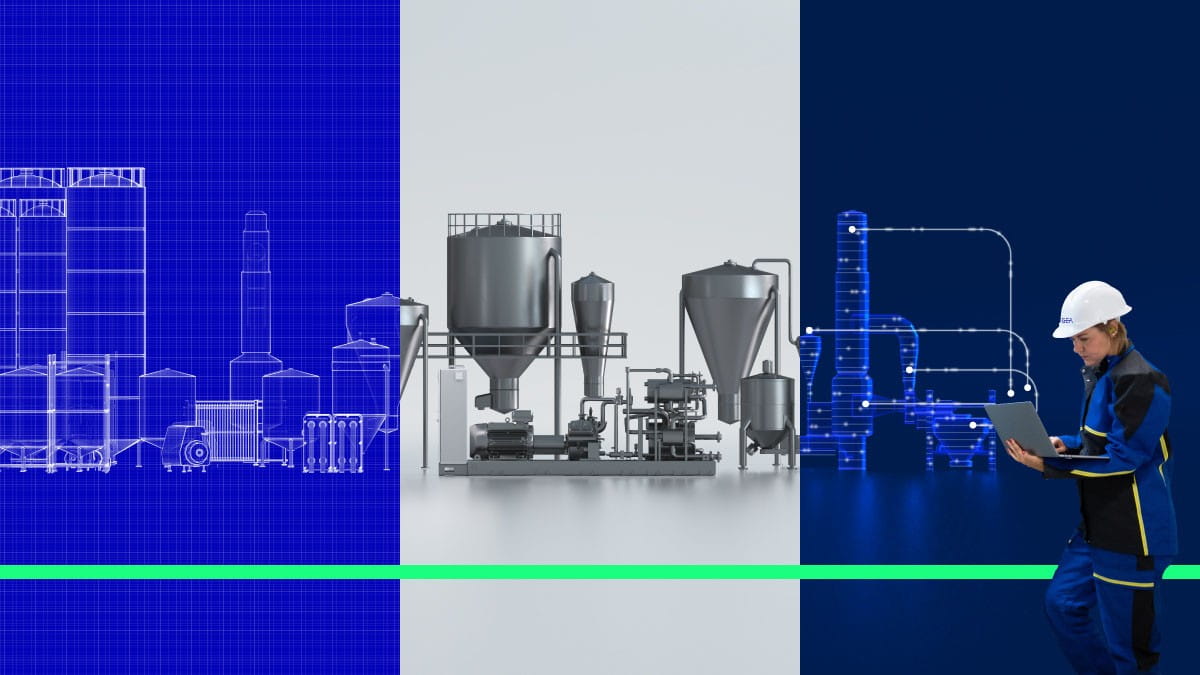
Oltre le macchine: come migliorare le prestazioni dell’impianto
Una macchina efficiente non garantisce automaticamente l'efficienza di uno stabilimento. Il vero miglioramento spesso inizia guardando oltre le singole attrezzature e comprendendo come i processi, i sistemi energetici e le decisioni operative si influenzino a vicenda. Si tratta di un approccio olistico pensato per individuare opportunità che altrimenti potrebbero sfuggire.
Come una valvola rivoluziona la produzione di alimenti e bevande
Negli impianti di produzione di alimenti e bevande, le valvole vengono solitamente azionate tramite aria compressa. GEA Hydract® Actuation Technology utilizza l'acqua all'interno di un circuito chiuso e controllato digitalmente. Il risultato è una valvola che può essere mantenuta esattamente in posizione e regolata con per piccoli incrementi con grande precisione. Ciò si traduce in un minor consumo energetico e in un maggiore controllo.
