


The R253 is a heavy duty, fully automatic rotary high-speed industrial tablet press for single-layer/double-output or double-layer/single-output tablet production. The R253 is designed for 24/7 operation with minimum maintenance to produce large volumes of tablets (such as detergents, catalysts, automotive parts, batteries, etc.). This machine can be used to produce tablets with one or multiple vertical holes.
Features
- Compression forces of up to 200 kN.
- Single-layer and double-layer capability.
- Pre-compression up to 10 kN is achieved using a pre-compression cam for extended dwell times, resulting in better powder deaeration and more uniform granule distribution in the die prior to final compression.
- Maximum fill depth of 60 mm.
- Take-off system is available for the horizontal removal of fragile tablets.
- Isolated and sealed compression zone for powder confinement.
- Tablet weight control based on force measurement.
- Large double-paddle forced feeder with individual drives for each paddle.
- Tool holders with high-pressure heads and cam-rolling bearings reduce wear and tear on the cams and compression rollers..
- Punch tips in steel or tungsten carbide.
- Multi-tip design is available for solid and ring-shaped tablets.
- Nickel-coated steel turret, forged in one piece, features replaceable wear plates.
- Standalone electrical cabinet.
- Siemens PLC for machine control,/ industrial PC for database and MultiControl5 system with a user-friendly 21.5-inch HD touchscreen.
- Highly rigid cast iron frame and a high-tension chassis.
- Stainless-steel housing.
- Dust extraction nozzles.
- Automatic punch lubrication system
Technical specifications
The R253 is available in 2 executions:
| Model | R253/27 | R253/39 |
| Number of stations | 27 | 39 |
| Max. compression force [kN] | 200 | |
| Max. pre-compression force [kN] | 5 | |
| Maximum fill [mm] | 60 | |
| Max. range / set of fill cams [mm] | 25 | |
| Max. top punch penetration [mm] | 16 or 25* (*in case of bi-layer) | |
| Punch-holder body diameter [mm] | 48 | 40 |
| Outside die diameter [mm] | 70 | 48 |
| Max. output capacity at compression force 150 kN [tab/h] | 96.000 | 126.000 |
| Max. output capacity at max. compression force [tab/h] | 69.000 | 102.000 |
| Press height [mm] | 2.810 | |
| Floor space [mm] | 1.500 x 1.400 | |
| Weight [kg] | +/- 9.000 | |
Get in touch with our expert team
To get in touch with our team of experts for industrial tablet compression, please click here.
Downloads
Related Products

R55 Tablet Press
The R55 is a robust, exceptionally versatile industrial rotary press for single-layer tablet and component production. From nuclear fuel pellets, hard metals and batteries to confectionery.

R233 Tablet Press
The R233 is designed for single-layer / double-output or double-layer / single-output 24/7 tablet production with minimum maintenance to produce large volumes of tablets (such as salt tablets, catalysts, coffee pods, etc.), suitable for the processing of abrasive and corrosive powders.

PERFORMA P Tablet Press for Industrial Applications
For non-pharma applications, the PERFORMA P tablet press has been upgraded for high wear resistance to cope with abrasive powders.
GEA Insights
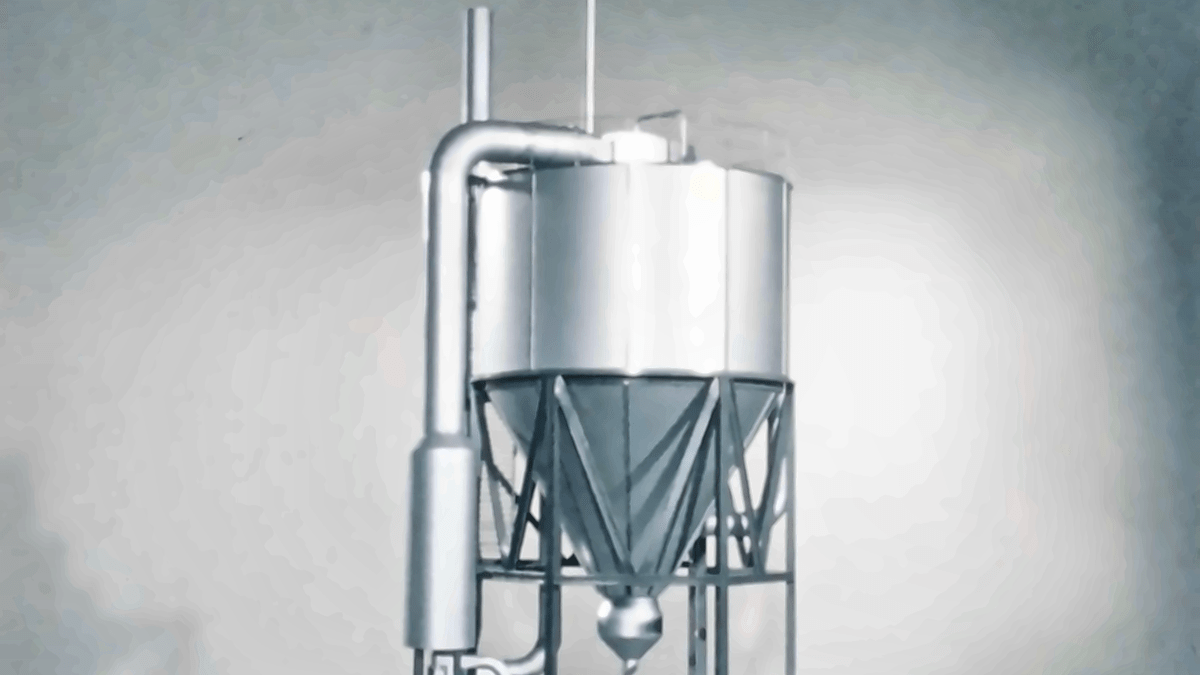
The breakthrough that changed spray drying
In 1976, NIRO engineers responded to a competitive challenge by rethinking what spray drying could do. Their idea became the multi-stage dryer MSD. Fifty years later, the same fundamental principle helps turn liquids into the powders used in essential nutrition products and important medicines around the world. Refined through decades of engineering expertise, customer insight and continuous development, MSD is a story of innovation with lasting impact.
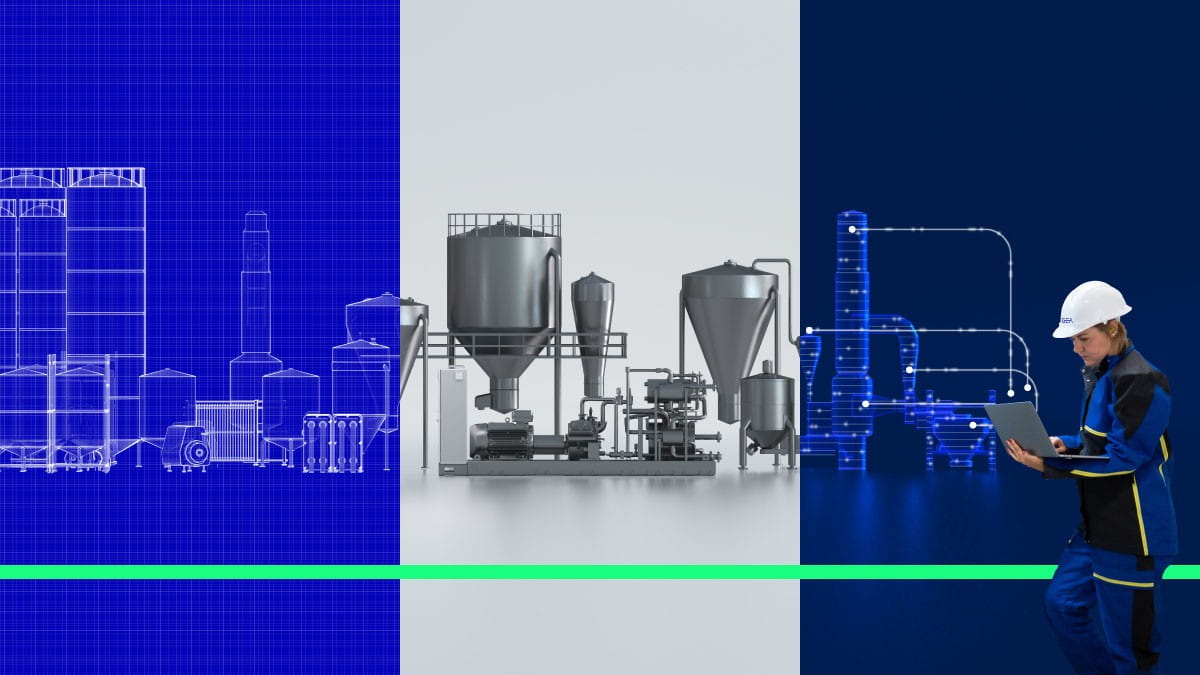
Beyond the machine: unlocking better plant performance
An efficient machine does not automatically make an efficient factory. Real improvement often starts by looking beyond individual equipment and understanding how processes, energy systems and operating decisions affect one another. It’s a holistic approach designed to uncover opportunities that might otherwise be missed.
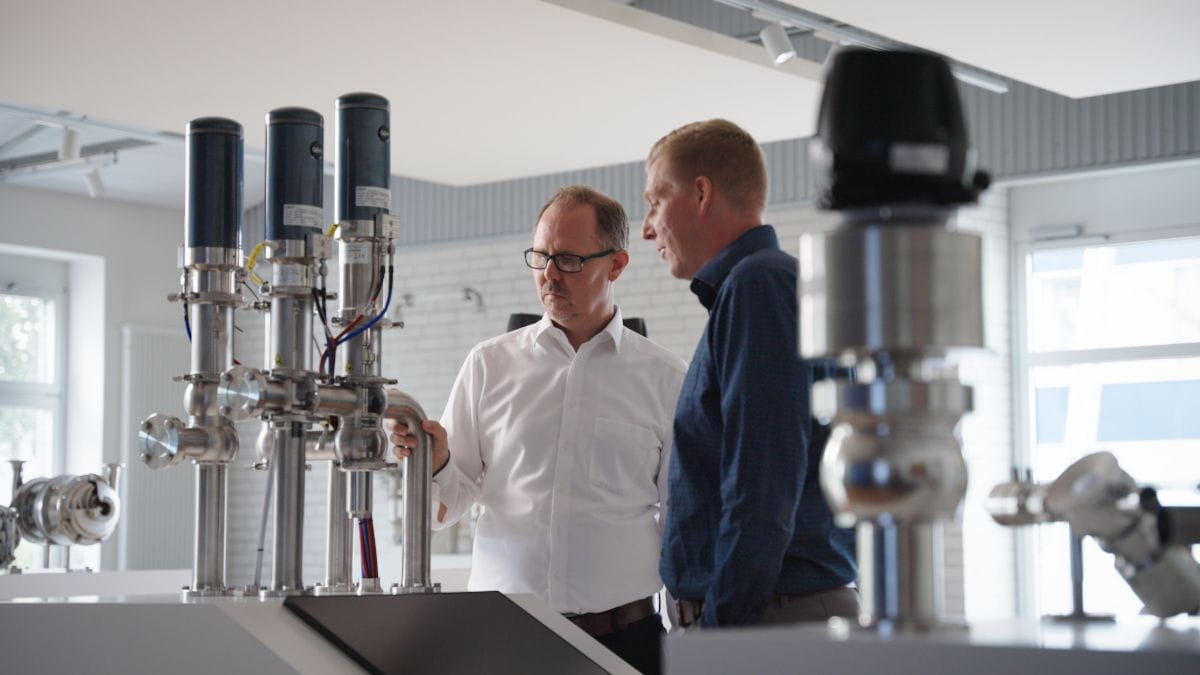
How a valve reshapes the way food and drinks are made
In food and beverage plants, valves are commonly operated using compressed air. GEA Hydract® Actuation Technology moves valves with water instead, in a closed, digitally controlled circuit. The result is a valve that can be held exactly in place and steered in fine-tuned steps. This results in lower energy use and greater control.
