
Function of the Valve
When the valve is closed (non-actuated position), there are always two seals between the middle and upper pipeline. If one seal is defective at this point, the resulting leakage can be deliberately channeled through the leakage outlet into the periphery, without mixing with the product in the second pipeline.
The shut-off between the middle and lower housing is performed with only one seal, and is not suitable for separating two incompatible media.This method ensures that there will not be any mixture between a product line and a line carrying cleaning fluid.
Special Features
- Certified, hygienic configuration
- Metallic stop
- Flexibility because of the modular principle
- Proven seal geometry
- Mixproof separation
- Optional separate lifting actuator for lifting the two valve discs
- Optionally spray cleaning connection for cleaning the leakage chamber
| Feature | Type | |
| VARIVENT® Double-seat Valve, type Y | ||
| Mixproof Divert Valves | ||
| Seat Lifting | VARIVENT® Double-seat Valve, type Y_L, Y_C |
Application Examples
The typical application for this mixproof valve with changeover function is the divert function after a pasteurizer.
For this application, the VARIVENT® mixproof divert valve type Y has been approved by the German Federal Dairy Research Centre in Kiel for use after a pasteurizer.
Switching Leakage
In axial sealing double-seat valves, with every switching procedure there is a short time during which the lower valve disc is neither in contact with the middle seal of the upper valve disc, nor has it reached the axial seat surface of the seat ring. During this brief moment liquid can percolate through the resulting gap into the leakage chamber and flow out into the atmosphere. This is referred to as the switching leakage.
| Double-seat divert valves |
| DN 25 – DN 150 |
| OD 1" – OD 6" |
| IPS 2" – IPS 6" |
Cleaning the leakage chamber
Lifting actuator (type Y_C, Y_L)
The valves are equipped with a lifting actuator which permits individual lifting of an individual valve disc during the particular pipe cleaning. In this case, the cleaning media passes the seal of the lifted valve disc, cleans the leakage chamber and then flows out through the leakage outlet into the periphery. In this way, it is possible to clean all surfaces that come into contact with the product, including the seal surfaces of the valve disc seals.
Spray cleaning (type Y, Y_L)
The valves have a cleaning connection to be connected at the level of the lantern either on its own (type Y) or additionally next to the lifting actuator (type Y_L). This connection allows the leakage chamber to be supplied with cleaning media from an external source in order to clean this chamber (in addition to the lifting actuator) by means of an integrated spray nozzle.
After that, the cleaning media flows through the leakage outlet without pressure into the periphery. Cleaning takes place with the valve closed, which means the seal surfaces in contact are not touched during cleaning.
Technical Data
Types Y, Y_L, Y_CPlease refer to the catalog for more information.| Type Y | Type Y_L, Y_C | |
| Material in contact with the product | 1.4404 / AISI 316 L | |
| Material not in contact with the product | 1.4301 / AISI 304 | |
| Seal material in contact with the product | EPDM, FKM, HNBR | |
| Ambient temperature | 0 to 45 °C | |
| Air supply pressure | 6 bar (87 psi) | |
| Product pressure | 5 bar (73 psi) | |
| Surface in contact with the product | DN, OD Ra ≤ 0.8 µm
IPS Ra ≤ 1.2 µm | DN, OD Ra ≤ 0.8 µm
IPS Ra ≤ 1.2 µm |
| External housing surface | Matte blasted | |
| Control and feedback system | Connection 0 (without control top) | |
| Actuator type | Pneumatic actuator air / spring | |
| Connection fittings | Welding end | |
| Identification | Adhesive ID tag | |
| Valve seat version | Clamped seat ring | |
| Certificates | 3A, CE | 3A, CE |
Downloads

GEA Insights
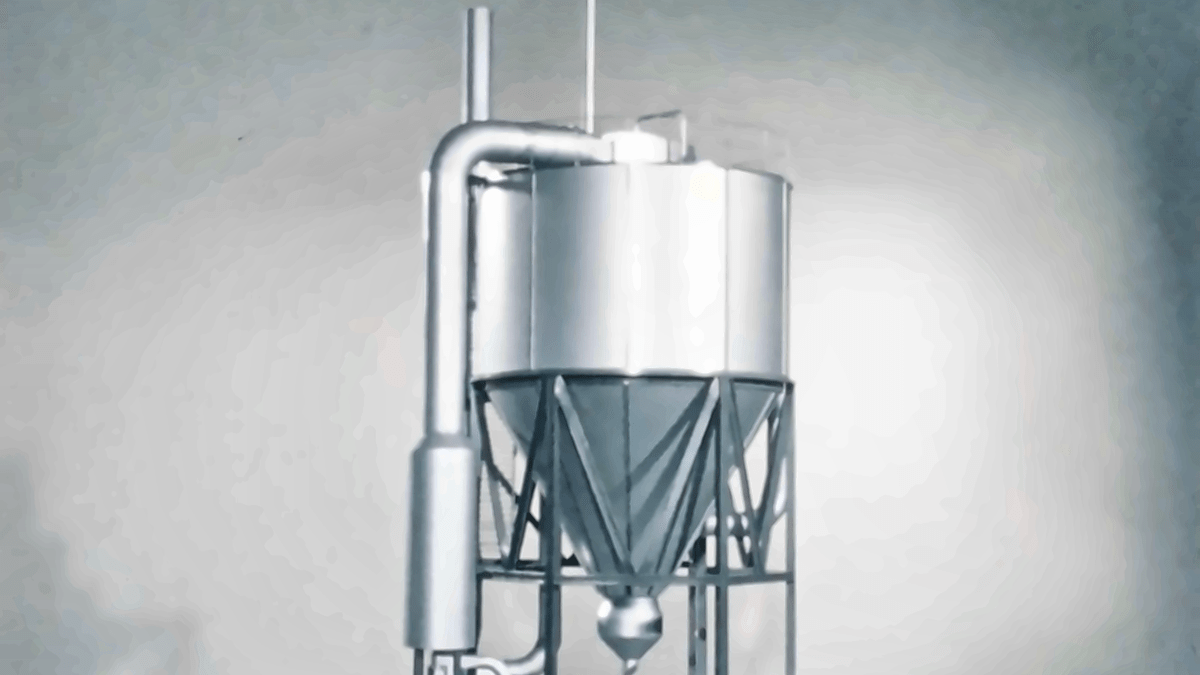
The breakthrough that changed spray drying
In 1976, NIRO engineers responded to a competitive challenge by rethinking what spray drying could do. Their idea became the multi-stage dryer MSD. Fifty years later, the same fundamental principle helps turn liquids into the powders used in essential nutrition products and important medicines around the world. Refined through decades of engineering expertise, customer insight and continuous development, MSD is a story of innovation with lasting impact.

Beyond the machine: unlocking better plant performance
An efficient machine does not automatically make an efficient factory. Real improvement often starts by looking beyond individual equipment and understanding how processes, energy systems and operating decisions affect one another. It’s a holistic approach designed to uncover opportunities that might otherwise be missed.

How a valve reshapes the way food and drinks are made
In food and beverage plants, valves are commonly operated using compressed air. GEA Hydract® Actuation Technology moves valves with water instead, in a closed, digitally controlled circuit. The result is a valve that can be held exactly in place and steered in fine-tuned steps. This results in lower energy use and greater control.
