
The GEA milk pasteurizer is the right choice if you ...
- ... are looking for a partner capable of supplying a complete pasteurization line.
- ... need to get back on production quickly and don't have time for on-site installation and a lengthy commissioning time.
- ... require a flexible solution which provides easy processing of raw milk and cream.
- ... prefer an easy-to-use system that supports the operator in optimizing the output.
Product passport
- Available for capacities from 3,000 to 10,000 l/h:
- GEA milk Pasteurizer 3000
- GEA milk Pasteurizer 5000
- GEA milk Pasteurizer 10000 - Available skimming centrifuges:
- GEA milk Skimmer pro 20
- GEA milk Skimmer pro 40
- GEA ecocream - Completely skid mounted
- Flexible operation:
- Milk
- Cream - Options:
- Cheese milk
- Yoghurt milk
- Partial homogenization
- Cream cooler
- CIP dosing
Your benefits at a glance
- Compact design of the pasteurizer
- Reduced space requirement
- Easy to operate – optimized yield
- Easy maintenance – less downtime - Flexible operation
- Capable of processing milk and cream
- With or without separator - Skid mounted solution
- Easy and fast integration
- Quick commissioning
- No need for opening the floor - Less coordination effort with third parties
- Easy operation via user-friendly HMI
- IOT ready and remote access option

Options & Features
Available options for customization
- Pressure-priming pump + differential pressure control
- Provides additional process safety
- Additional pumping pressure to reach the final destination tank - Cream cooler
- Cools the cream down to 8 °C for intermediate storage - Post heating for cheese milk
- 20 - 45 °C post heating for direct feeding of the cheese vat - Yogurt milk treatment
- 90 °C increased heating temperature to improve yield
- 6 min holding time as separate stand-alone unit
- 20 – 45 °C post heating for direct feeding of the fermentation tank - Partial homogenization
- Drinking milk to prevent cream separation
- Yoghurt milk for better structure - Lost CIP
- CIP dosing system for caustic and acid concentrates - Anybus gateway for signal exchange
- mGuard for remote access
Design features
- All components are installed and connected
- Everything is tested in the factory
- Quick installation on site
- Minimal installation effort
- Compact design supports the operator - easy operation
- Easy relocation
- Easy to maintain due to special attention of space requirements for dismantling the equipment

Centrifuge features
- Optimally integrated into the process
- Pasteurizer and separator are set up to provide the following:
- Optimal process condition for optimal skimming performance
- Optimized CIP process to save time
- Possibility to operate the pasteurizer alone

Automation features: New user-friendly HMI
- Complete process in one window
- Easy overview of process data
- Operation in automatic and manual mode possible
- Trending possibility of different parameters
- Standardization calculator to support the operator to setup the flows correctly
- IOT ready

Downloads

GEA Insights
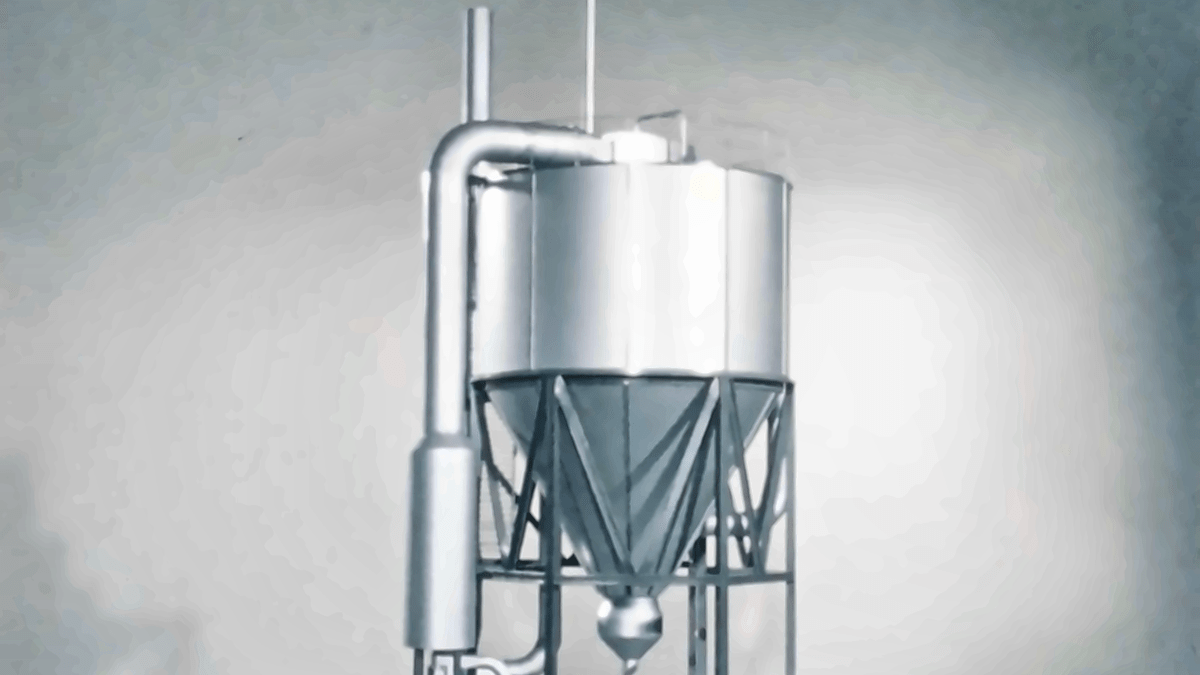
The breakthrough that changed spray drying
In 1976, NIRO engineers responded to a competitive challenge by rethinking what spray drying could do. Their idea became the multi-stage dryer MSD. Fifty years later, the same fundamental principle helps turn liquids into the powders used in essential nutrition products and important medicines around the world. Refined through decades of engineering expertise, customer insight and continuous development, MSD is a story of innovation with lasting impact.

Beyond the machine: unlocking better plant performance
An efficient machine does not automatically make an efficient factory. Real improvement often starts by looking beyond individual equipment and understanding how processes, energy systems and operating decisions affect one another. It’s a holistic approach designed to uncover opportunities that might otherwise be missed.

How a valve reshapes the way food and drinks are made
In food and beverage plants, valves are commonly operated using compressed air. GEA Hydract® Actuation Technology moves valves with water instead, in a closed, digitally controlled circuit. The result is a valve that can be held exactly in place and steered in fine-tuned steps. This results in lower energy use and greater control.
