
Advantages
- Operates with minimal drive pressure
- Driven using fluid transmission
- Functionally robust
- Easy to maintain
- Integrated cleaning lance
- Various possible spray patterns using different nozzle arrangements on the spray head
- Long life due to wear-resistant components
- For reproducible cleaning, the rotation monitoring option is recommended
- Optionally as a trestle-mounted cleaner for mobile cleaning of tanks
Applications
The rotating je cleaners Type 2E and 2B are mainly used in larger vessels and tanks for fermentation and storage in brewery or dairy industry.
Technical data
| Item | Size |
|---|---|
| Recommended pressure | 2.3 – 4.3 bar (33.4 - 62.4 psi) |
| Cleaning diameter | max. 10 m (32.8 ft) |
| Flow rate | 7 – 29 m3/h
(116 - 483 l/min / 30.8 - 127.7 USgpm) |
| Spray pattern | 360° |
| Operating temperature | 80 °C max, optional 90 °C |
| Ambient temperature | 130 °C max. (with PTFE version only) |
| Insertion opening | Ø 100 mm min. |
| Materials | Stainless steel 1.4571 (316Tl) / PP up to 80 °C / EPDM
Stainless steel 1.4571 (316Tl) / PTFE up to 90 °C / EPDM |
| Pipe connection | Variable (see order key) |
| Weight | approx. 11 kg (24.25 lbs) |
Downloads
Related Products

Slow Rotating Cleaner Turbo SSB
The Slow Rotating Cleaner Turbo SSB is the new generation of rotating and mobile jet cleaners with the slotted spray ball format where the ball bearings are removed, and the rotation speed is slowed down.

Slow Rotating Cleaner TB
The Slow Rotating Cleaner TB2 and TB3 with their effective drive mechanism and the slow constant rotation speed ensure a consistent cleaning result with a very low maintenance.

Slow Rotating Cleaner Sanitor
The Slow Rotating Cleaner Sanitor is ideally suited for applications where a compact, low flow and high sanitary unit is required. The omission of bearings greatly increases the unit life and prohibits any contamination issues associated with bearing degradation.

Accessories Cleaners
Cleaning lances, dirt arrester for cleaning devices, protection cage for orbital cleaners, mobile / stationary trestle for cleaners
GEA Insights
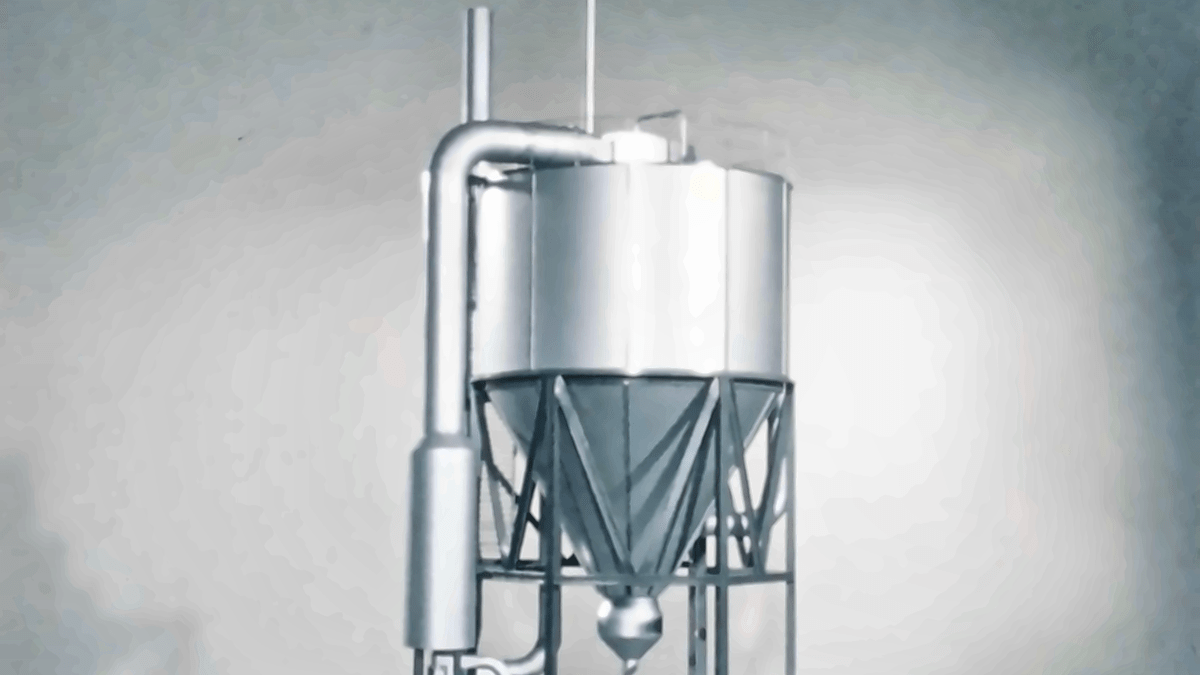
The breakthrough that changed spray drying
In 1976, NIRO engineers responded to a competitive challenge by rethinking what spray drying could do. Their idea became the multi-stage dryer MSD. Fifty years later, the same fundamental principle helps turn liquids into the powders used in essential nutrition products and important medicines around the world. Refined through decades of engineering expertise, customer insight and continuous development, MSD is a story of innovation with lasting impact.
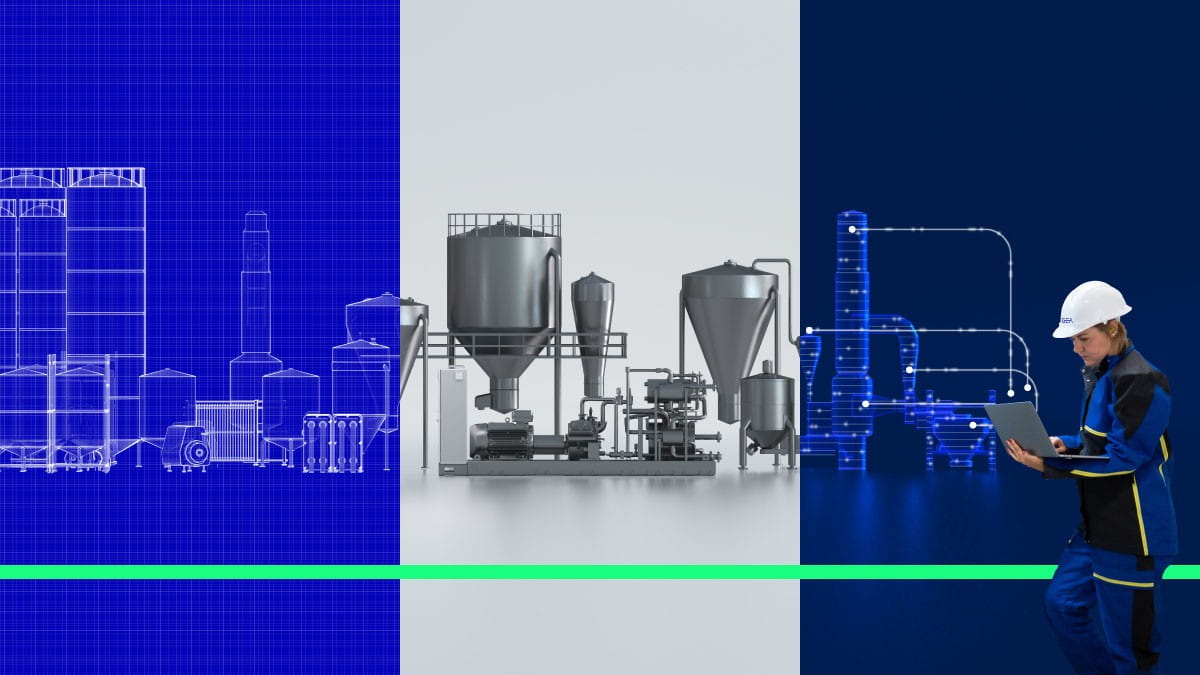
Beyond the machine: unlocking better plant performance
An efficient machine does not automatically make an efficient factory. Real improvement often starts by looking beyond individual equipment and understanding how processes, energy systems and operating decisions affect one another. It’s a holistic approach designed to uncover opportunities that might otherwise be missed.
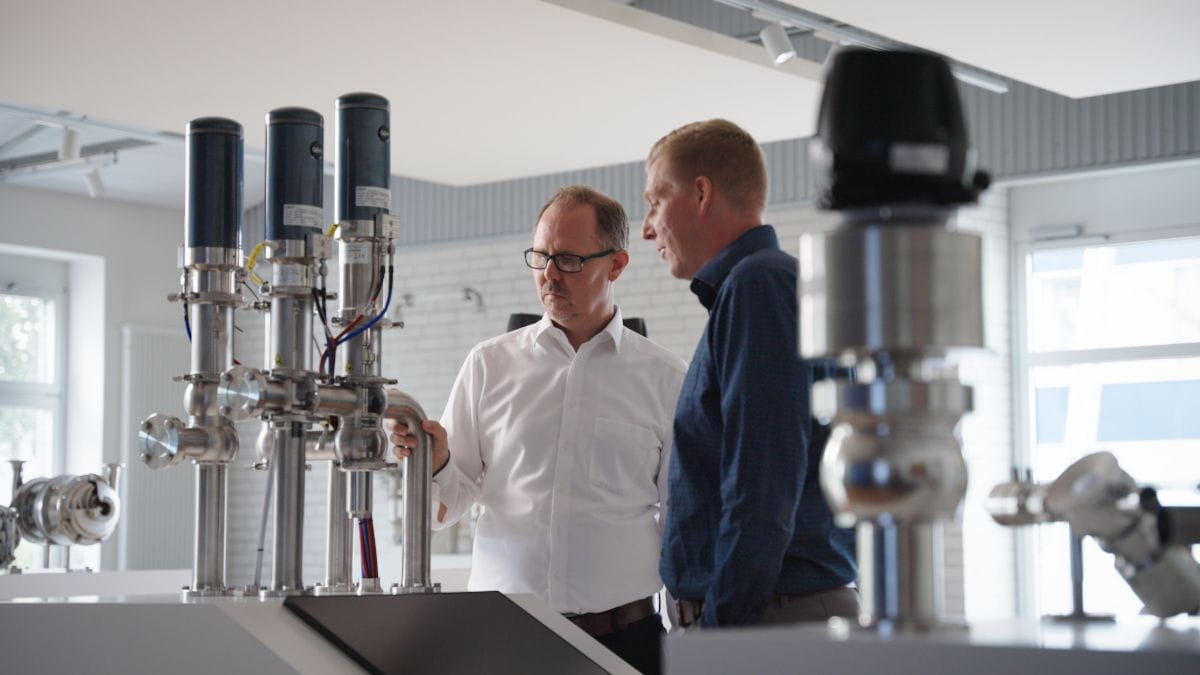
How a valve reshapes the way food and drinks are made
In food and beverage plants, valves are commonly operated using compressed air. GEA Hydract® Actuation Technology moves valves with water instead, in a closed, digitally controlled circuit. The result is a valve that can be held exactly in place and steered in fine-tuned steps. This results in lower energy use and greater control.
