
Total scalability of results
These devices offer the possibility of performing tests with small amounts of sample (minimum volume of 100 ml.), with a guarantee of achieving equal quality results compared to those achievable with industrial homogenizers.
The structure of the laboratory homogenizers ensures ease of installation, ease of use and maintenance, thanks mainly to the essentiality of the components.
Reimagine liquids

It may surprise you how many products need homogenization in their manufacturing process to make them more compatible with your daily life. Stabilization and a longer shelf life have always been among the highest priorities in many different processing industries but, especially nowadays, as lifestyles continue to change rapidly, they are becoming more and more valued.
Table-top Homogenizers
| Models | Max pressure | Flow rate |
| GEA Lab Homogenizer Panda® PLUS 1000 | 1000 bar | 20 l/h |
| GEA Lab Homogenizer Panda® PLUS 2000 | 2000 bar | 9 l/h |
| GEA Lab Homogenizer TwinPANDA 400 | 400 bar | 55 l/h |
| GEA Lab Homogenizer TwinPANDA 600 | 600 bar | 30 l/h |
Downloads

GEA Insights
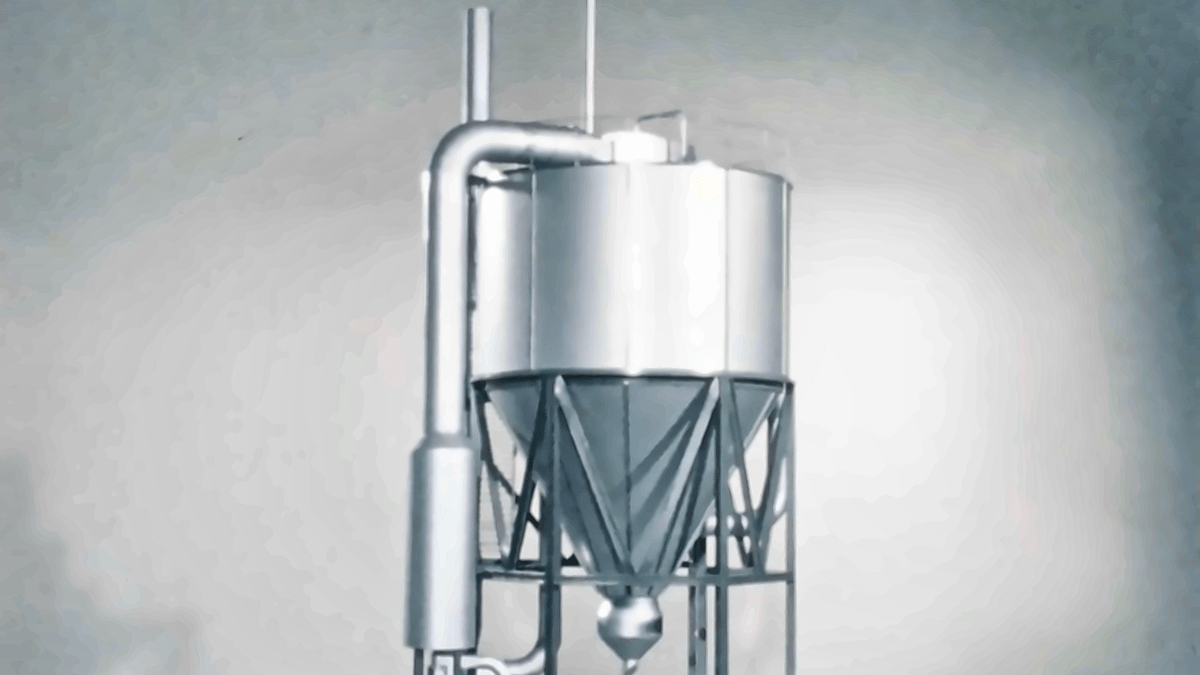
The breakthrough that changed spray drying
In 1976, NIRO engineers responded to a competitive challenge by rethinking what spray drying could do. Their idea became the multi-stage dryer MSD. Fifty years later, the same fundamental principle helps turn liquids into the powders used in essential nutrition products and important medicines around the world. Refined through decades of engineering expertise, customer insight and continuous development, MSD is a story of innovation with lasting impact.

Beyond the machine: unlocking better plant performance
An efficient machine does not automatically make an efficient factory. Real improvement often starts by looking beyond individual equipment and understanding how processes, energy systems and operating decisions affect one another. It’s a holistic approach designed to uncover opportunities that might otherwise be missed.

How a valve reshapes the way food and drinks are made
In food and beverage plants, valves are commonly operated using compressed air. GEA Hydract® Actuation Technology moves valves with water instead, in a closed, digitally controlled circuit. The result is a valve that can be held exactly in place and steered in fine-tuned steps. This results in lower energy use and greater control.
