
The GEA Melt Crystallization systems cool a crude liquid melt to create a driving force for the formation and growth of 100% pure crystals.
The suspension-based process distributes the crystal growth over a massive surface in the crystal suspension that provides the slow optimum growth rates needed to allow pure crystal formation even in relatively impure melts. By combining this extremely selective crystallization process with our proven wash column solid-liquid separation technology, an ultra-pure product can often be obtained after a single step.
Key features:
- Typically applied where high purity products are required
- Two stage option available for maximum yield
- Separation of components with close boiling points and those difficult to distill
- Ability to split the feed into two streams with adjustable purities
- Continuous and stable operation
- Low operation temperatures
- Low energy consumption as the product is typically crystallized only once
- Required heat is two to four times lower than for evaporation
- No need for solvents, thus, no need for solvent recovery or waste byproducts.
- Compact plant
- Debottlenecking distillation (+25% capacity)
Melt crystallization provides an economic and energy-efficient alternative purification step in cases where standard distillation is unsuitable due to close boiling isomers, azeotropic systems, products that tend to polymerize, heat sensitive products or explosive substances.
Melt Crystallization plants can be found in thousands of installations around the globe serving to diverse industrial processes such as:
- Substituted aromatics used in specialty polymers (pDCB, pCT, NVP)
- Isocyanates used in the manufacture of polyurethane (MDI, TDI)
- Xylenes to produce PET (pX and mX)
- Aliphatic and carboxylic acids (MCA, Acrylic acid, Acetic acid)
- Benzoic acid, Phosphoric acid
- Specialty solvents (acetonitrile, alcohols)
- Wide variety of high purity organic specialty chemicals


Want to learn even more?
Webinars and videos that might interest you.


Downloads
GEA Insights
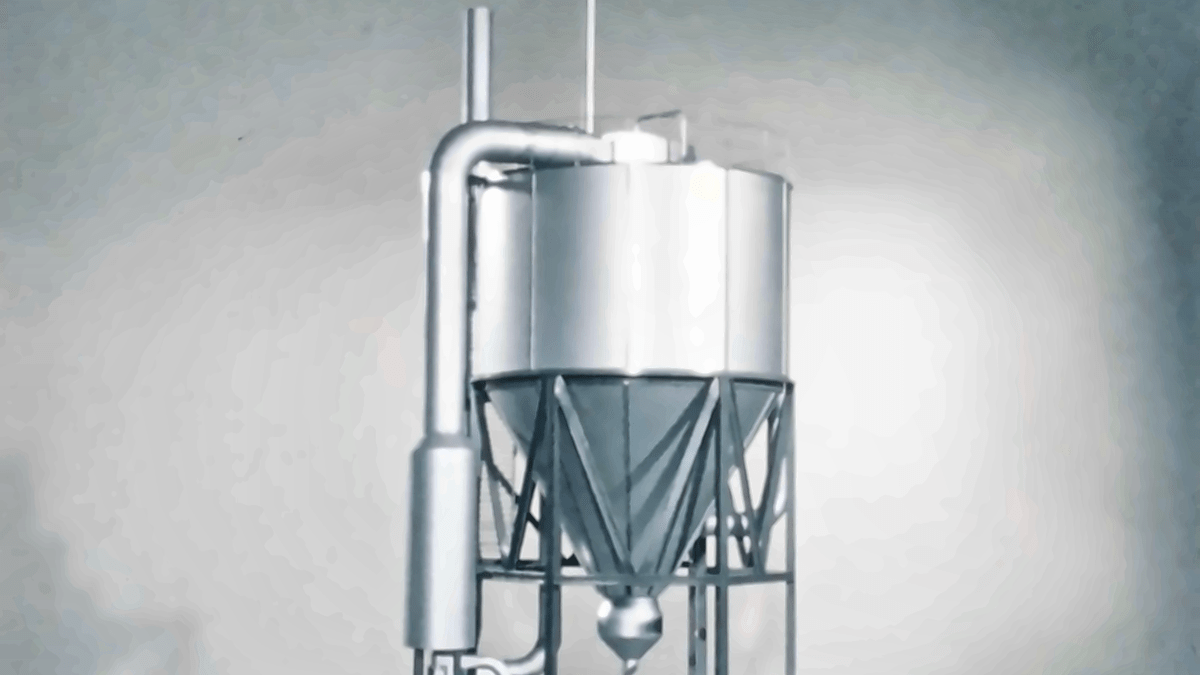
The breakthrough that changed spray drying
In 1976, NIRO engineers responded to a competitive challenge by rethinking what spray drying could do. Their idea became the multi-stage dryer MSD. Fifty years later, the same fundamental principle helps turn liquids into the powders used in essential nutrition products and important medicines around the world. Refined through decades of engineering expertise, customer insight and continuous development, MSD is a story of innovation with lasting impact.

Beyond the machine: unlocking better plant performance
An efficient machine does not automatically make an efficient factory. Real improvement often starts by looking beyond individual equipment and understanding how processes, energy systems and operating decisions affect one another. It’s a holistic approach designed to uncover opportunities that might otherwise be missed.
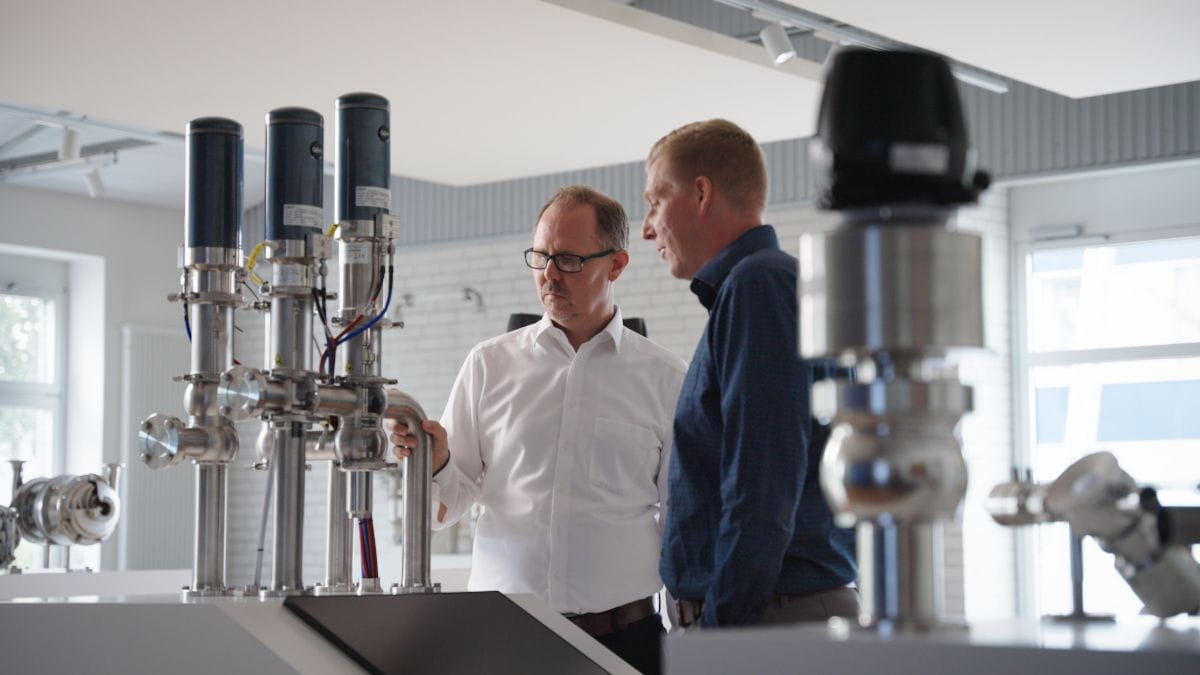
How a valve reshapes the way food and drinks are made
In food and beverage plants, valves are commonly operated using compressed air. GEA Hydract® Actuation Technology moves valves with water instead, in a closed, digitally controlled circuit. The result is a valve that can be held exactly in place and steered in fine-tuned steps. This results in lower energy use and greater control.
