
With this new decanter platform GEA has now combined the demands for high mechanical and sanitary reliability as well as the wish for maximum flexibility for investment and practical operation. The result: GEA offers an entire decanter family in a uniform design concept from the smallest right through to the largest decanter, ranging from the drive to the identical pedestal bearing principle. The advantage for the user, operating personnel and spare part maintenance: uniformity across the board. Nonetheless, due to its modular principle every decanter can be customized right down to the smallest detail: Low or high torque, flat or steep conical angle, low or high differential speed, hot or normal operation, oil or grease lubrication, special alloys for corrosion and erosion resistance or hygienic design with rotating feed pipes, spray nozzles and food grade materials.
Features & Benefits
- External gears for high gear protection
- Oil lubrication of all bearings for exacting demands
- High-quality protection against wear
- High degree of dynamic stability
- Use of high-quality stainless steels
- CIP capability, spray nozzles and sanitary design
Downloads
Related Products

Separators for Animal By-Products
Rapid and clean processes, high yields and excellent product quality – our customers benefit in many ways with our separator portfolio for the recovery of animal fats and proteins.

Automation & Controls Separation
Even the best centrifuges cannot function optimally if they are not partnered with control systems of equal quality. For their range of separators and decanters, GEA offers standardized as well as tailor-made solutions for machine automation with many features to meet customer requirements.
Service Products

Remote FATs for GEA Centrifuges
Is a FAT (Factory Acceptance Test) of your centrifuge not possible on site due to current travel restrictions, a very tight schedule or other urgent reasons? Are you generally looking for ways to make business processes more digital and to sustainably reduce costs and time?
Here, too, we are at your side with the professional quality you are accu...

International Repair Network for GEA Centrifuges
Corrective repairs for your GEA separators and decanters
GEA Insights
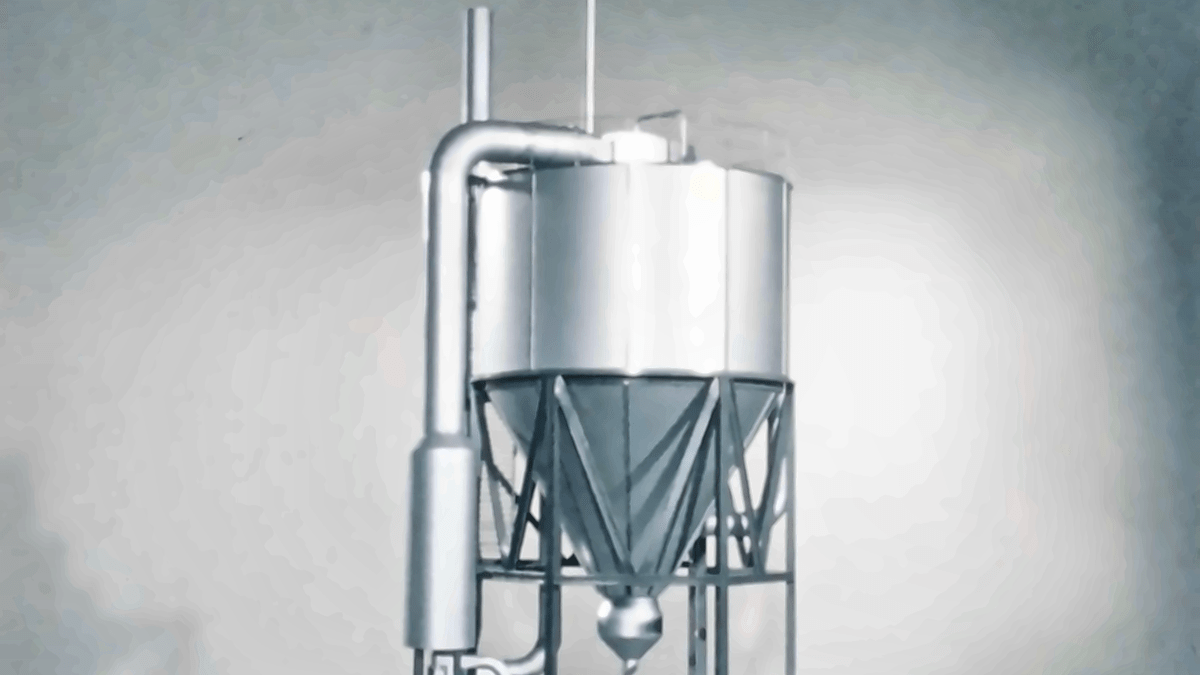
The breakthrough that changed spray drying
In 1976, NIRO engineers responded to a competitive challenge by rethinking what spray drying could do. Their idea became the multi-stage dryer MSD. Fifty years later, the same fundamental principle helps turn liquids into the powders used in essential nutrition products and important medicines around the world. Refined through decades of engineering expertise, customer insight and continuous development, MSD is a story of innovation with lasting impact.

Beyond the machine: unlocking better plant performance
An efficient machine does not automatically make an efficient factory. Real improvement often starts by looking beyond individual equipment and understanding how processes, energy systems and operating decisions affect one another. It’s a holistic approach designed to uncover opportunities that might otherwise be missed.
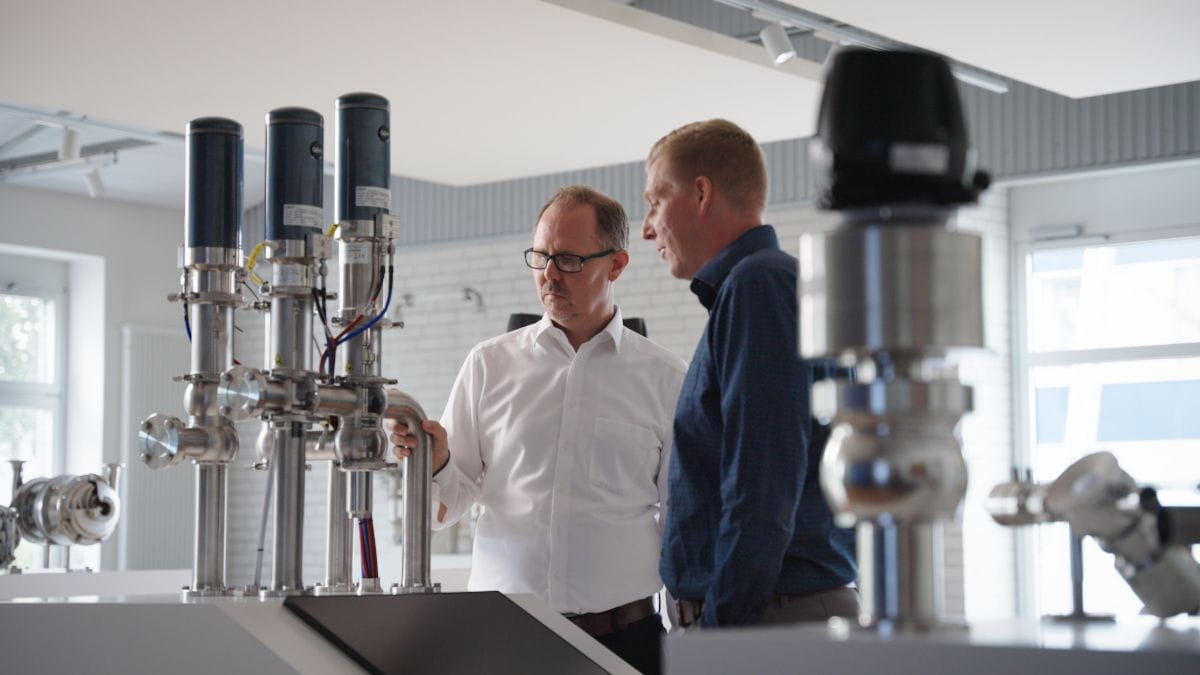
How a valve reshapes the way food and drinks are made
In food and beverage plants, valves are commonly operated using compressed air. GEA Hydract® Actuation Technology moves valves with water instead, in a closed, digitally controlled circuit. The result is a valve that can be held exactly in place and steered in fine-tuned steps. This results in lower energy use and greater control.
