

Easy cost saving for lube oil treatment systems
Cost saving has become a very attractive proposition on board of ships. The overall economy and less consumption of fuel are essential to be more competitive and to operate a green and environmentally friendly vessel.
As an integral part of the lube oil treatment system in compact unit design, GEA EnergyMaster recovers part of the energy. A recovery heat exchanger is the heart of this system and is designed as brazed plate heat exchanger.
GEA EnergyMaster is available as
- intergrated part of the heater unit
- retrofit package for existing heater units
The return on investment period is outstandingly short, even for retrofit systems.
Operating principles and constructional features
The cold dirty oil inlet to the separator system is pre-heated by the recovery heat exchanger before the dirty oil is heated up to separating temperature by the standard steam, thermal oil or electric pre-heater.
The hot clean oil outlet of the separator is used for pre-heating the cold dirty oil inlet.
GEA EnergyMaster is easy to handle, self-regulating and maintenance-free.
Downloads


GEA Insights
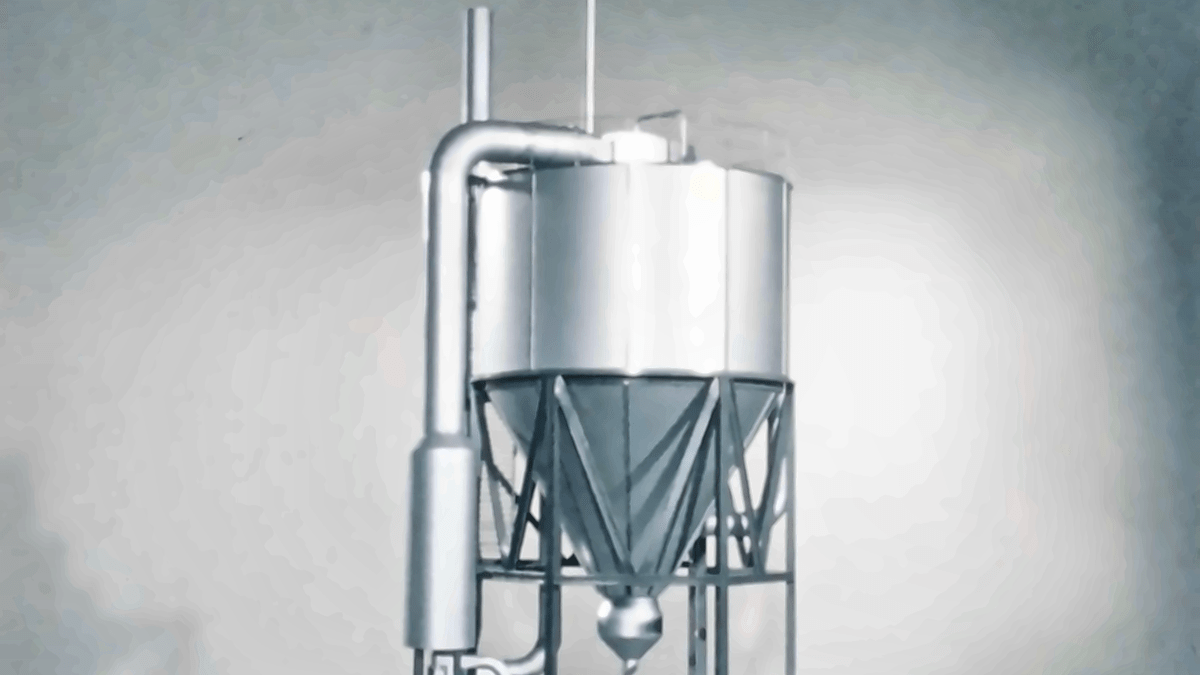
The breakthrough that changed spray drying
In 1976, NIRO engineers responded to a competitive challenge by rethinking what spray drying could do. Their idea became the multi-stage dryer MSD. Fifty years later, the same fundamental principle helps turn liquids into the powders used in essential nutrition products and important medicines around the world. Refined through decades of engineering expertise, customer insight and continuous development, MSD is a story of innovation with lasting impact.
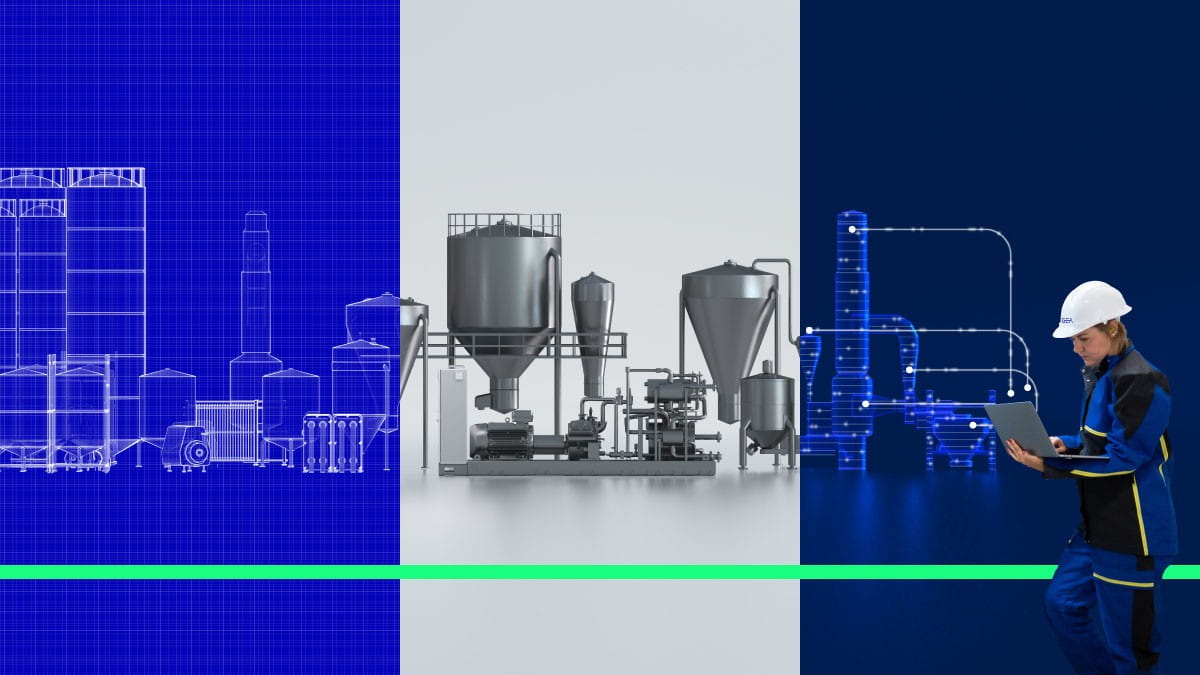
Beyond the machine: unlocking better plant performance
An efficient machine does not automatically make an efficient factory. Real improvement often starts by looking beyond individual equipment and understanding how processes, energy systems and operating decisions affect one another. It’s a holistic approach designed to uncover opportunities that might otherwise be missed.
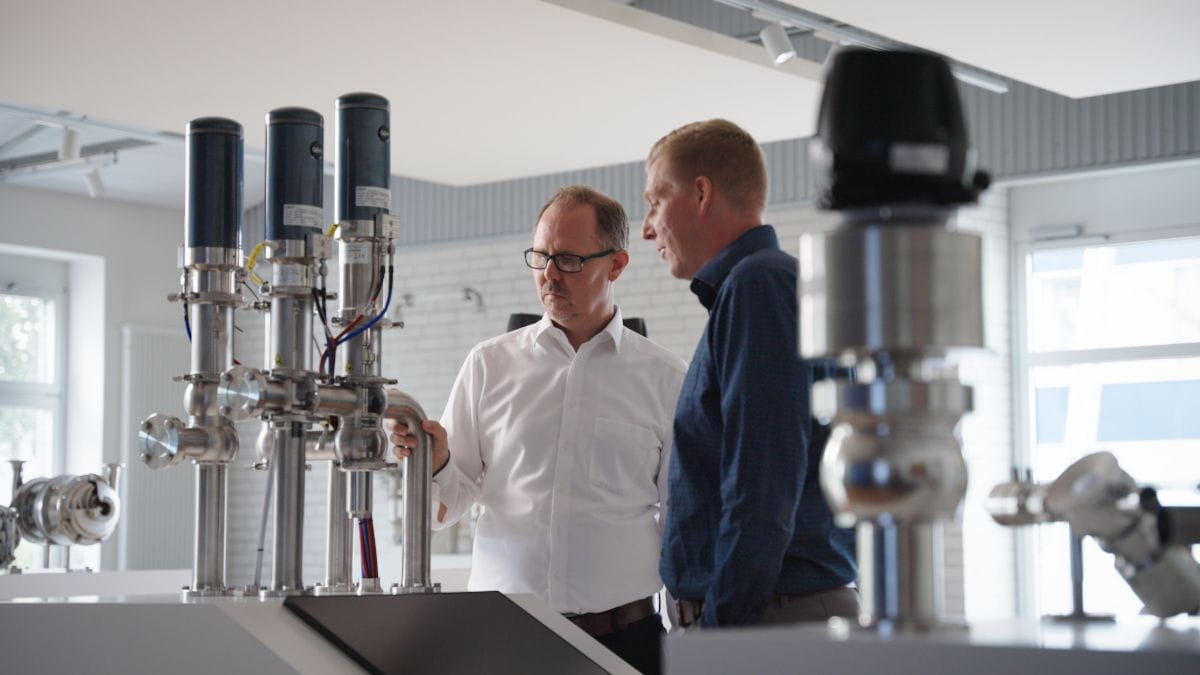
How a valve reshapes the way food and drinks are made
In food and beverage plants, valves are commonly operated using compressed air. GEA Hydract® Actuation Technology moves valves with water instead, in a closed, digitally controlled circuit. The result is a valve that can be held exactly in place and steered in fine-tuned steps. This results in lower energy use and greater control.
