

Benefits of our centrifuges
Optimizing operations with clean hydraulic oil
Hydraulic oil plays a crucial role in various oil & gas applications by facilitating smooth and efficient operation of hydraulic systems. However, water and dirt particles can continuously contaminate hydraulic oils, leading to corrosion, blockages and system malfunctions. To maintain optimal performance, it is essential to continuously remove these foreign substances.
Efficiency and Cost Savings
Using GEA separator centrifuges, hydraulic oil can be cleaned more efficiently and faster than with conventional sedimentation tanks. This advanced separation technology offers numerous benefits, including longer service lives for bearings, higher machine availability and reduced purchasing and disposal costs for oil. Industries such as steel and paper manufacturing greatly benefit from these advantages, ensuring more reliable and cost-effective operations.

Enhance machinery performance with efficient oil treatment solutions
Products & Technologies
Showing 3 of 3

Centrifugal Separator
GEA separators are designed for liquid-based applications. Using centrifugal force, they are used for separating suspensions consisting of two or more phases of different densities, i.e. they can be used for liquid-liquid separation, for liquid-liquid-solid separation or for liquid-solid separation. They are equally as effective at separating liq...

Jet pumps
Jet pumps, also referred to as ejectors, are devices for the conveyance, compression or mixing of gases, vapors, liquids or solids and for the production of vacuum in which a gaseous or liquid medium serves as the motive force.

Liquid Mixers
Mixing is a vital process in the production of a diverse range of products in a wide range of industries. Based on our extensive experience and technological know-how, GEA offers a variety of batch, continuous and in-house custom designed mixing solutions for unique applications that meet specific customer needs.


Downloads
GEA Insights
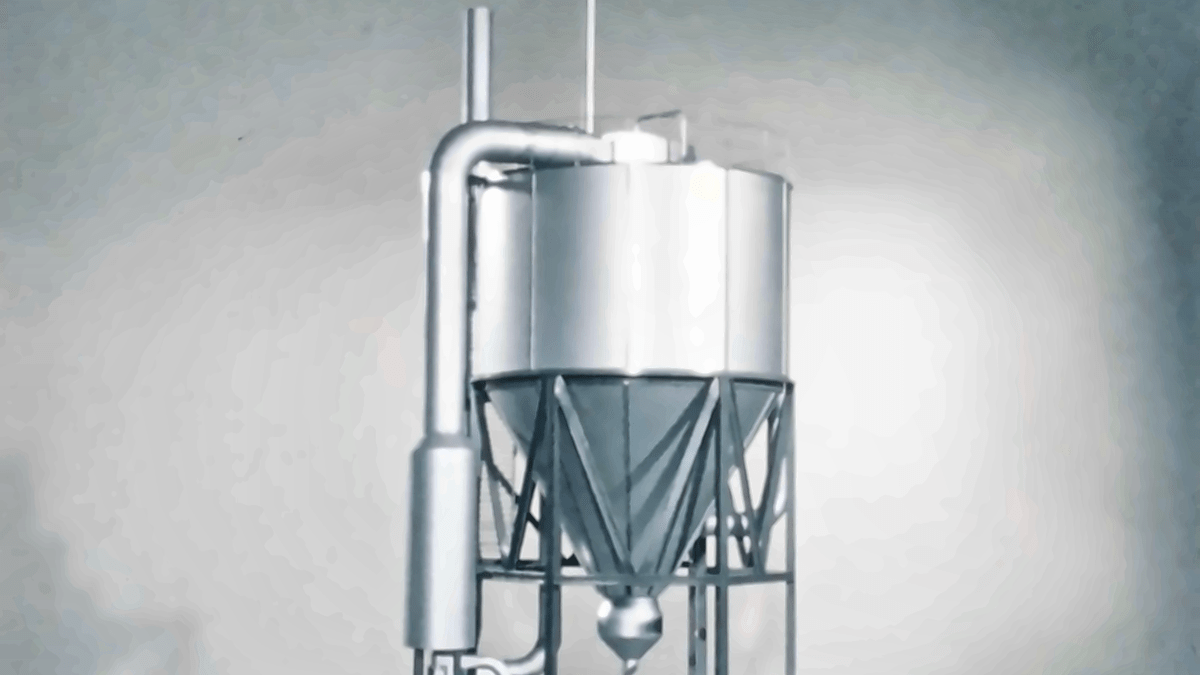
The breakthrough that changed spray drying
In 1976, NIRO engineers responded to a competitive challenge by rethinking what spray drying could do. Their idea became the multi-stage dryer MSD. Fifty years later, the same fundamental principle helps turn liquids into the powders used in essential nutrition products and important medicines around the world. Refined through decades of engineering expertise, customer insight and continuous development, MSD is a story of innovation with lasting impact.
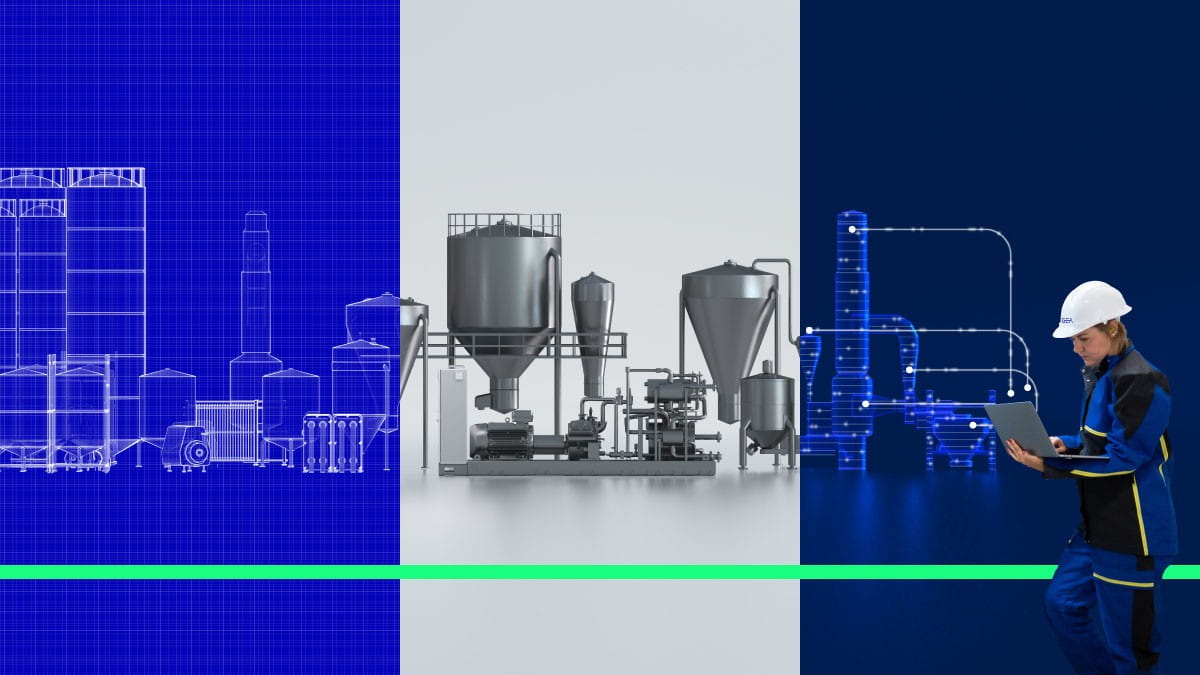
Beyond the machine: unlocking better plant performance
An efficient machine does not automatically make an efficient factory. Real improvement often starts by looking beyond individual equipment and understanding how processes, energy systems and operating decisions affect one another. It’s a holistic approach designed to uncover opportunities that might otherwise be missed.
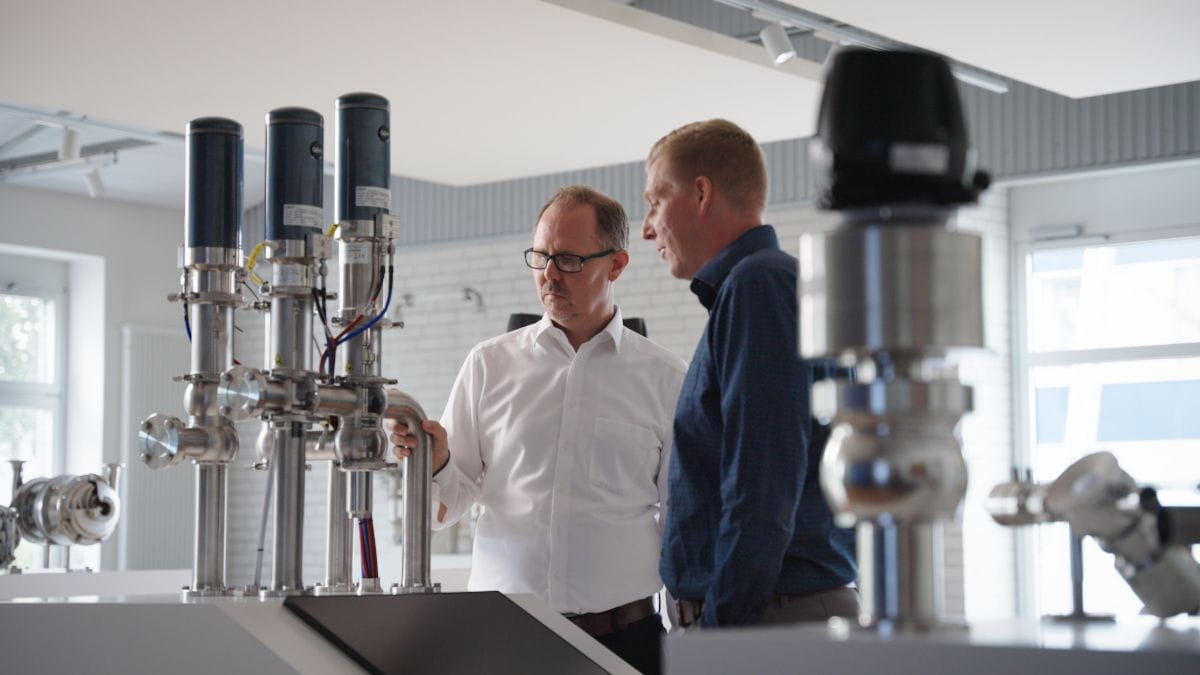
How a valve reshapes the way food and drinks are made
In food and beverage plants, valves are commonly operated using compressed air. GEA Hydract® Actuation Technology moves valves with water instead, in a closed, digitally controlled circuit. The result is a valve that can be held exactly in place and steered in fine-tuned steps. This results in lower energy use and greater control.
