

Cleaner fuel. Longer turbine life.
Gas turbines demand the highest fuel quality to operate safely, efficiently and economically. Even trace contaminants can lead to corrosion, fouling and costly downtime. GEA’s advanced fuel oil treatment systems ensure your turbines receive clean, compliant fuel whether you're running on diesel oil, crude oil or heavy fuel oil.
Diesel oil treatment – Simple handling, reliable protection
Distillate fuels like diesel oil are widely used in gas turbines due to their clean combustion and ease of handling. However, during transport and storage, contaminants such as sand, rust, scale and water often enter the fuel - frequently exceeding the purity limits set by turbine manufacturers. While these fuels typically contain low levels of trace metals the risk of contamination during logistics remains high and treatment is usually performed at ambient temperature.
GEA’s solution employs single-stage centrifugal separation, with optional pre-heating for high-viscosity fuels or cold climates. The system features self-cleaning separators for continuous operation and comes in modular, pre-assembled units for plug-and-play installation.
This approach ensures compliance with turbine OEM purity specifications, reduces wear and corrosion, prevents bacterial growth in storage tanks and extends maintenance intervals - maximizing turbine uptime and reliability.
Crude oil treatment – Safe operation with complex fuels
Crude oil is increasingly used in gas turbine power plants, especially in regions with direct access to upstream supply. Even after pre-cleaning, it still contains waxes, salts and solids that must be removed to meet turbine fuel standards. Its viscosity can vary from diesel-like to very heavy, and the presence of waxes requires heating above their melting point. In addition, the low flash point of crude oil makes explosion protection measures necessary.
GEA’s treatment solution includes single-stage separation for light crude oils, along with heating and inert gas flushing to ensure safety. All components are ATEX-compliant for use in hazardous areas and the system comes complete with auxiliary equipment such as pumps, heaters, and controls.
This setup effectively reduces sodium, potassium and water content, minimizes corrosion and fouling and enables safe, unattended operation for extended periods - ultimately protecting turbine blades and extending overhaul cycles.
Heavy Fuel Oil (HFO) Treatment – Optimized cleaning for low-cost fuels
HFO is a low-cost fuel option, but its high levels of trace elements and sediments - such as sodium, potassium, vanadium and catalytic fines - pose serious risks to turbine components if left untreated. With high viscosity and density, HFO requires heating and chemical conditioning to meet operational standards.
GEA’s treatment solution uses a two-stage process to efficiently remove salts and impurities. The fuel is blended with water and additives to break emulsions and enhance separation, targeting both water-soluble salts and abrasive solids. Modular systems with integrated heat exchangers and controls ensure reliable performance.
This approach achieves OEM-specified purity levels (e.g., Na+K < 1 ppm), prevents high-temperature corrosion and deposits and supports continuous, unattended operation. The result is reduced lifecycle costs and extended turbine service life.

GEA HFO treatment systems remove contaminants to achieve OEM fuel purity requirements, reducing corrosion, deposits and maintenance.
Power your turbines with confidence
GEA’s fuel oil treatment systems are engineered to meet the strictest turbine fuel standards, protecting your equipment and ensuring reliable energy production. Whether you're burning diesel, crude or heavy fuel oil, we deliver clean fuel, longer uptime and lower maintenance costs.
Let GEA help you protect your turbine - efficiently, safely and sustainably.
Products & Technologies
Showing 2 of 2

Centrifugal Separator
GEA separators are designed for liquid-based applications. Using centrifugal force, they are used for separating suspensions consisting of two or more phases of different densities, i.e. they can be used for liquid-liquid separation, for liquid-liquid-solid separation or for liquid-solid separation. They are equally as effective at separating liq...

Machine automation & control
Every plant or machine, which is designed for a reliable long-term operation, requires a control unit that enables the communication between the different system parts. It is one of the most important component that guarantees reliability and efficient operation.
Other applications


GEA Insights
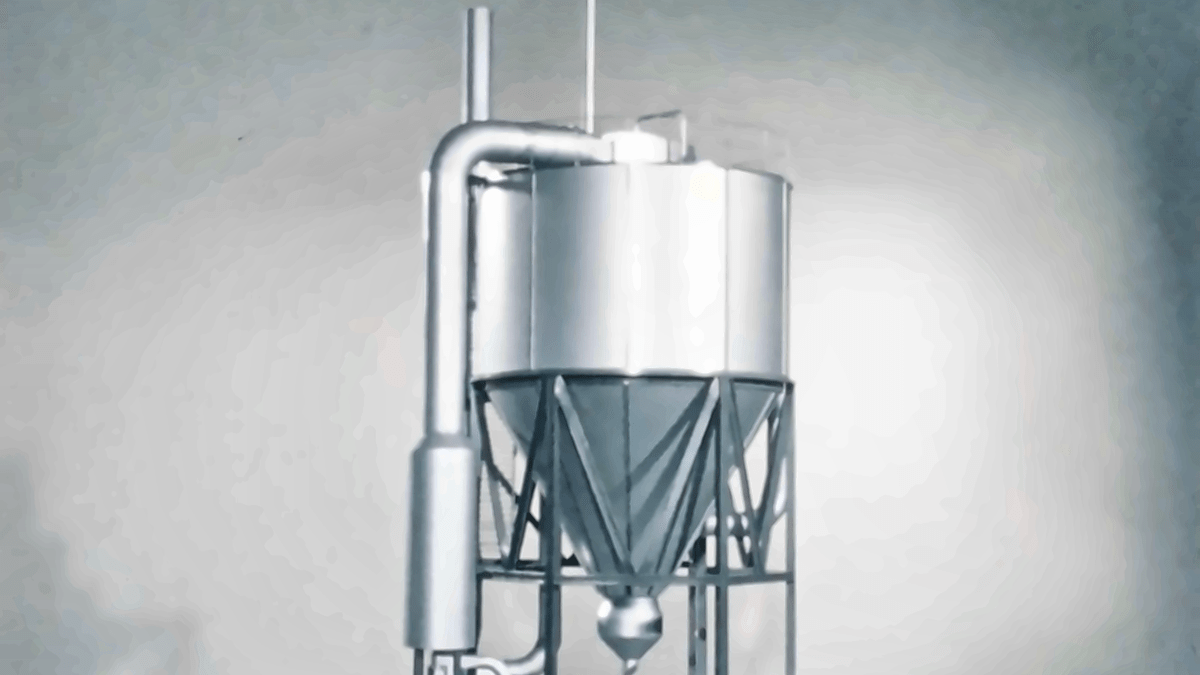
The breakthrough that changed spray drying
In 1976, NIRO engineers responded to a competitive challenge by rethinking what spray drying could do. Their idea became the multi-stage dryer MSD. Fifty years later, the same fundamental principle helps turn liquids into the powders used in essential nutrition products and important medicines around the world. Refined through decades of engineering expertise, customer insight and continuous development, MSD is a story of innovation with lasting impact.

Beyond the machine: unlocking better plant performance
An efficient machine does not automatically make an efficient factory. Real improvement often starts by looking beyond individual equipment and understanding how processes, energy systems and operating decisions affect one another. It’s a holistic approach designed to uncover opportunities that might otherwise be missed.

How a valve reshapes the way food and drinks are made
In food and beverage plants, valves are commonly operated using compressed air. GEA Hydract® Actuation Technology moves valves with water instead, in a closed, digitally controlled circuit. The result is a valve that can be held exactly in place and steered in fine-tuned steps. This results in lower energy use and greater control.
