

Storing large quantities of fresh water on board ship is costly and takes up valuable space. GEA offers an alternative solution, in the form of a process and technology for sea water desalination, which can be used to generate up to 30 tons of fresh water a day.
The principle of sea water desalination by evaporation
Desalination is based on the principle of evaporation: sea water that has been filtered through a coarse mesh is evaporated in a heat exchanger plate stack that is made of titanium to precipitate out salt and impurities. A further plate stack then condenses the steam into drinking water. A salt measuring cell checks for residual salt content, which should be below four parts per million (ppm). If a value below four ppm can be reliably maintained, then the desalinated water can be passed to a storage tank before further treatment by UV sterilization.
An output of 5-30 tons a day
A re-hardening filter finally returns enough hardness to the fully demineralized water to make it suitable for human use. Whether for the shower room, for the galley or for scrubbing – our systems enable output of between five tons and 30 tons a day, which should easily cover the everyday requirements of container ships, LNG tankers, bulk carriers or freighters.
Products & Technologies
Showing 2 of 2

Hygienic valves & components
Hygienic valves from GEA form the core component of matrix-piped process plants. Thanks to a pioneering valve concept that sets standards for its flexibility, as well as the latest control and automation functions, our valves offer manufacturers maximum product safety and process reliability. All GEA hygienic valves are designed to be efficient a...

Water Treatment Systems
Water treatment on the high seas must meet strict economic, technical, and environmental regulations. GEA provides advanced, IMO-compliant systems that protect marine ecosystems while ensuring cost-effective, smooth operations for ship owners and operators.
Downloads
GEA Insights
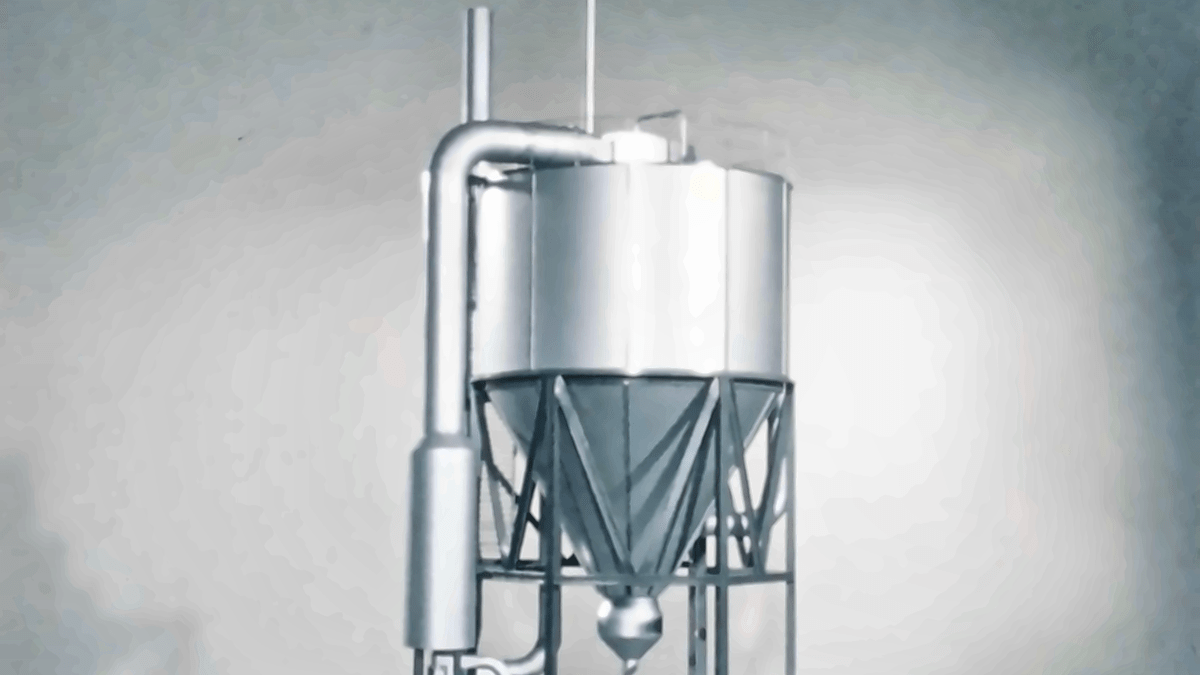
The breakthrough that changed spray drying
In 1976, NIRO engineers responded to a competitive challenge by rethinking what spray drying could do. Their idea became the multi-stage dryer MSD. Fifty years later, the same fundamental principle helps turn liquids into the powders used in essential nutrition products and important medicines around the world. Refined through decades of engineering expertise, customer insight and continuous development, MSD is a story of innovation with lasting impact.
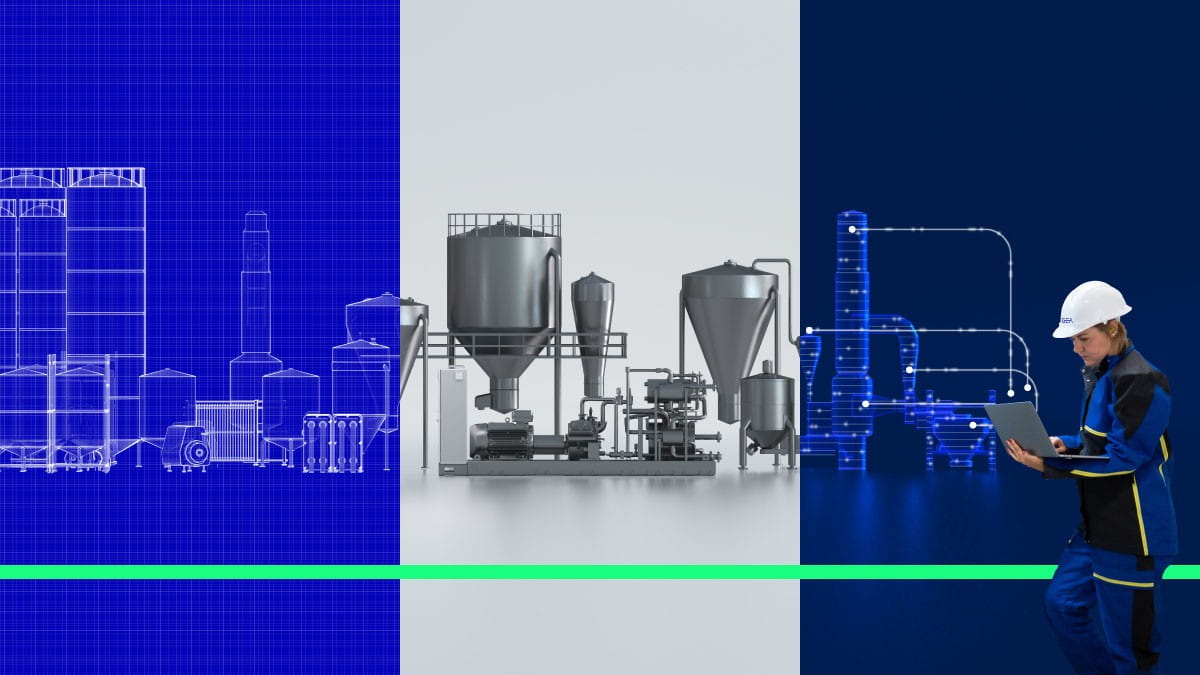
Beyond the machine: unlocking better plant performance
An efficient machine does not automatically make an efficient factory. Real improvement often starts by looking beyond individual equipment and understanding how processes, energy systems and operating decisions affect one another. It’s a holistic approach designed to uncover opportunities that might otherwise be missed.
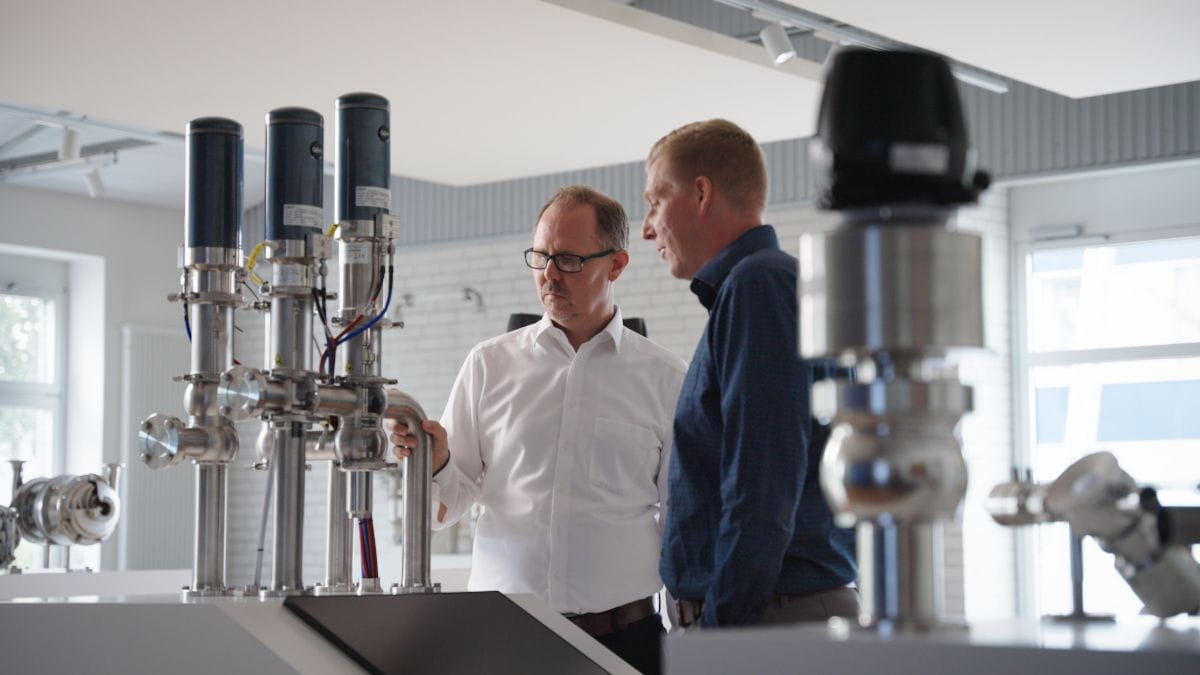
How a valve reshapes the way food and drinks are made
In food and beverage plants, valves are commonly operated using compressed air. GEA Hydract® Actuation Technology moves valves with water instead, in a closed, digitally controlled circuit. The result is a valve that can be held exactly in place and steered in fine-tuned steps. This results in lower energy use and greater control.
