

Experts in Extrusion for Plant-Based Ingredients
With decades of experience in extrusion technologies, we specialize in delivering tailored solutions for both Texturized Vegetable Proteins (TVP) and High-Moisture Extrusion (HME). Our advanced systems and process know-how ensure optimal texture, taste, and efficiency—empowering food producers to meet the growing demand for sustainable, plant-based alternatives.
Why Texturized Vegetable Proteins
2. Evolution of the food world: People, increasingly open to new forms of food, are leading the change. At the same time, the catering industry itself is starting to include the use of alternative proteins in its gastronomic offerings.
3. Uniformity, safety and hygiene standards: The use of textured vegetable protein (Dry or High-Moisture TVP) reduces the possibility of contamination because, as the product is sterile, it prevents the development of pathogens.

Research
Trend deep dive.
Plant-based extruded ingredients
Texturization is a process by which vegetable proteins, such as those of peas, lupins, lentils, broad beans and wheat, are deconstructed from their globular structure and realigned into fibers, in order to obtain products that mimic the texture of meat or fish.
These proteins can be long or short fiber, and have different characteristics depending on the source, protein content, granule shape and system used. This feature is used as indicator of which type is best suited to reproduce the appearance and texture of the desired meat alternative.
GEA, with its tried and tested extrusion technology, creates solutions that texturize both dry and high-moisture proteins using a twin-screw extruder, leading to a vast variety of applications.

Dry TVP.

Wet TVP.

Realizable dry Texturized Vegetable Proteins

Process steps for TVP
The production is driven by balanced and determined steps

A device used to mix and combine different flours and dry raw materials, ensuring a fully homogeneous blend.

A gravimetric dosing system designed to efficiently handle the particle sizes of the flours used, including fine powders such as protein isolates.

A high-speed mixer that evenly distributes water throughout the flour stream, creating a uniform and consistent dough.

A mixing vessel equipped for steam injection, which enhances the processing of legume-based flours and improves dough development.

A tailor-made twin-screw extrusion system offering versatile screw configurations for protein denaturation. It provides a customizable setup suited to each raw material and the final food product you aim to create.

Depending on the type of TVP (Textured Vegetable Protein), two different processes may occur:
• Dry TVP: the product is cut into the desired shape.
• Wet TVP: the product undergoes a texturization process to achieve the required structure.

An optional step, performed only when required by the characteristics of the final food product.

The product is cooled to its ideal packaging temperature, preventing unwanted condensation inside the final pack.
Why choose GEA XTru Twin
Utilizing GEA extruders for vegetable protein texturization offers tangible benefits to manufacturers by enabling control over variable thermo-hygrometric conditions and high process temperatures, facilitating protein denaturation and the transformation of protein bodies into a homogeneous, fibrous matrix with reduced solubility and dispersion in water.

GEA xTru Twin
A Single Partner for the Entire Production Cycle
GEA is your trusted partner for the complete production journey of plant-based meat analogues—offering integrated expertise in both Texturized Vegetable Proteins (TVP) and High Moisture Extrusion (HME). Through the close collaboration of our two specialized Technology Centers—Food Extrusion and Food Processing and Packaging —we deliver seamless process integration from raw material to finished product.
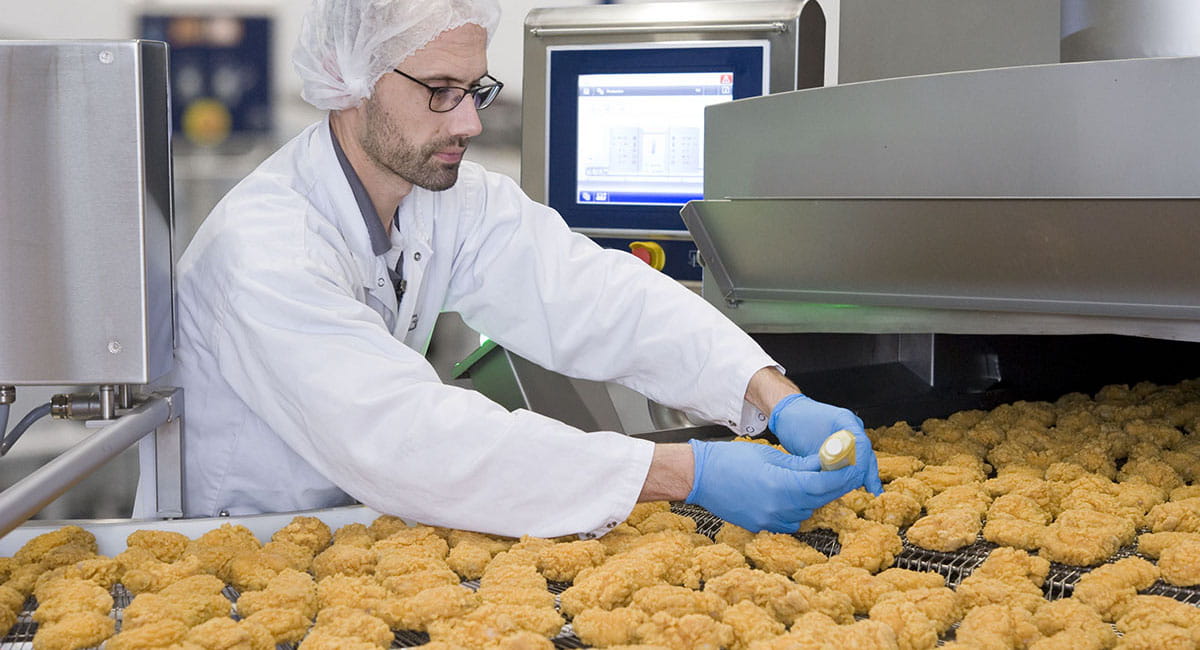
Our Food Extrusion division focuses on the transformation of dry and wet vegetable proteins into TVP granules, which can be sold as-is or further processed. These intermediate products are then refined by our Food Applications & Solutions team into final consumer-ready formats such as burgers, nuggets, and more.
What sets GEA apart is not only our technological depth but also our scientific support. Our in-house analytical laboratory enables precise characterisation of raw materials—including composition and protein denaturation levels—ensuring compatibility and optimal performance in the extrusion process. This capability, combined with pilot plant testing and collaborative R&D (including partnerships with universities), empowers customers to:
1. Transform ideas into reality by testing formulations on GEA pilot lines;
2. Validate raw material suitability through advanced lab analysis;
3. Co-develop innovative products with our R&D experts;
4. Rely on proven, scalable extrusion technologies tailored to their production goals.
From concept to commissioning, GEA delivers a full-scope solution designed to meet the evolving demands of the plant-based protein market.
The future of meat alternatives: plant-based extruded products
Discover how GEA can guide you through all the steps for the production of meat-alternatives, thanks to an advanced knowledge in the plant-based food extrusion process.
Share your project with us.
A dedicated team of GEA expert will help you in realizing a complete turnkey line process through personalized solutions based on your needs.
Contact our GEA Experts
Products & Technologies
Showing 0 of 0
Downloads
GEA Insights


The water equation
Across Europe, drought is a recurring reality – and no longer confined to the south. While water increasingly shapes where industries locate, its value is determined by local context. There are many technological routes to water efficiency in industrial processes, but location, energy needs and other factors are also key.
