

The process industry is a global industry and harmful emissions created from different types of process technologies affect many regions worldwide. Industries around the globe are facing stricter environmental regulations, but in parallel have to meet the growing demand for their products. GEA provides long-term, cost-effective and ecologically viable solutions that help our customers to comply with regulations, whilst increasing output and still maintaining a competitive edge.
GEA your partner in emission control
Treatment of emissions and effluents into air, water or soil are the main challenges of industrial pollution control, besides energy efficient and resource saving production methods.
GEA designs tailored process solutions for air pollution control in close dialogue with the customer.
Emission control
Our air pollution control technologies meet the most stringent emission requirements with low operation and maintenance cost, including:
- Aerosol & Particle removal
- Reduction of nitrogen oxides (DeNOx)
- Flue gas cleaning (DeSOx)
- Absorption of acids, halogen and other toxic components
- Heavy metal removal
- Volatile organic compounds and odor removal
- Dioxin/Furan abatement
- Catalytic oxidation
- Gas cooling & Conditioning
- Waste heat recovery


Products & Technologies
Showing 4 of 19

Absorption & Gas Scrubbing
GEA supplies scrubbers for an efficient multi-pollutant cleaning of process-and-exhaust gases for various applications.

Advanced Carbon Capture Solutions | Industrial CO2 Reduction
GEA offers a diverse range of Carbon Capture Solutions designed to help industries significantly reduce their CO2 emissions. Our systems achieve a capture rate of ≥ 90% while optimizing energy efficiency, providing tailored solutions for sectors like cement, steel, bioenergy, waste-to-energy and chemicals.

Centrifugal Separator
GEA separators are designed for liquid-based applications. Using centrifugal force, they are used for separating suspensions consisting of two or more phases of different densities, i.e. they can be used for liquid-liquid separation, for liquid-liquid-solid separation or for liquid-solid separation. They are equally as effective at separating liq...

Cooling, quenching & conditioning
The Rapid Cooling or Quenching of gas streams is used in several essential applications in the process industries.
Downloads
GEA Insights
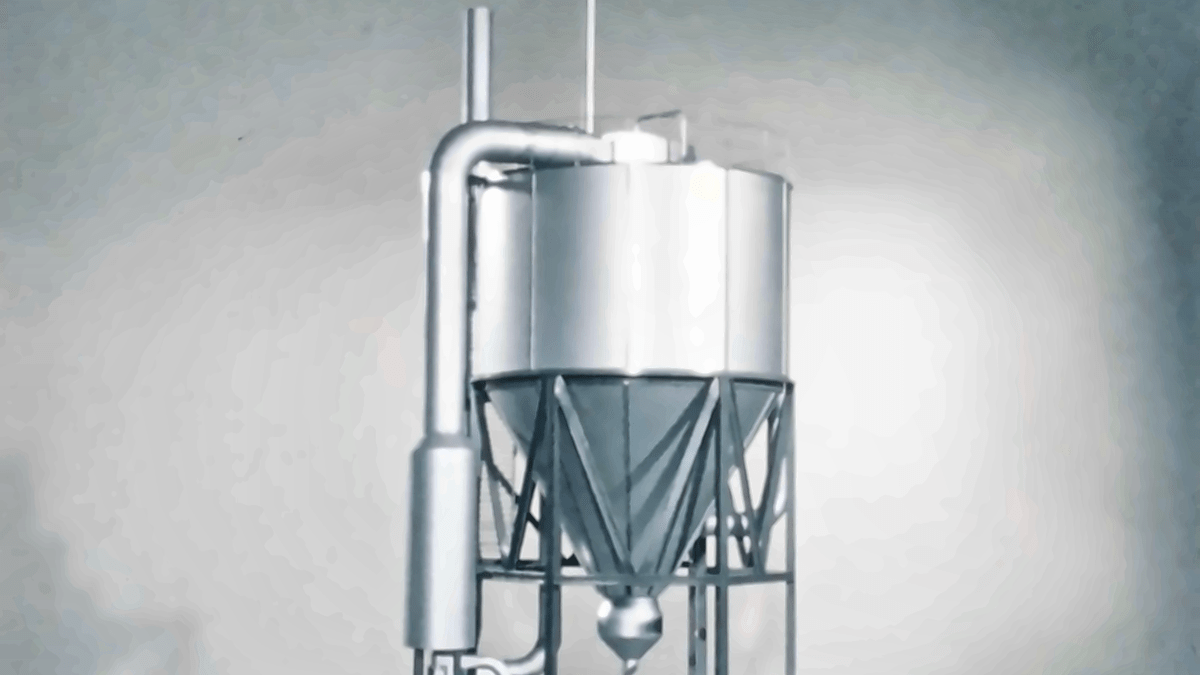
The breakthrough that changed spray drying
In 1976, NIRO engineers responded to a competitive challenge by rethinking what spray drying could do. Their idea became the multi-stage dryer MSD. Fifty years later, the same fundamental principle helps turn liquids into the powders used in essential nutrition products and important medicines around the world. Refined through decades of engineering expertise, customer insight and continuous development, MSD is a story of innovation with lasting impact.
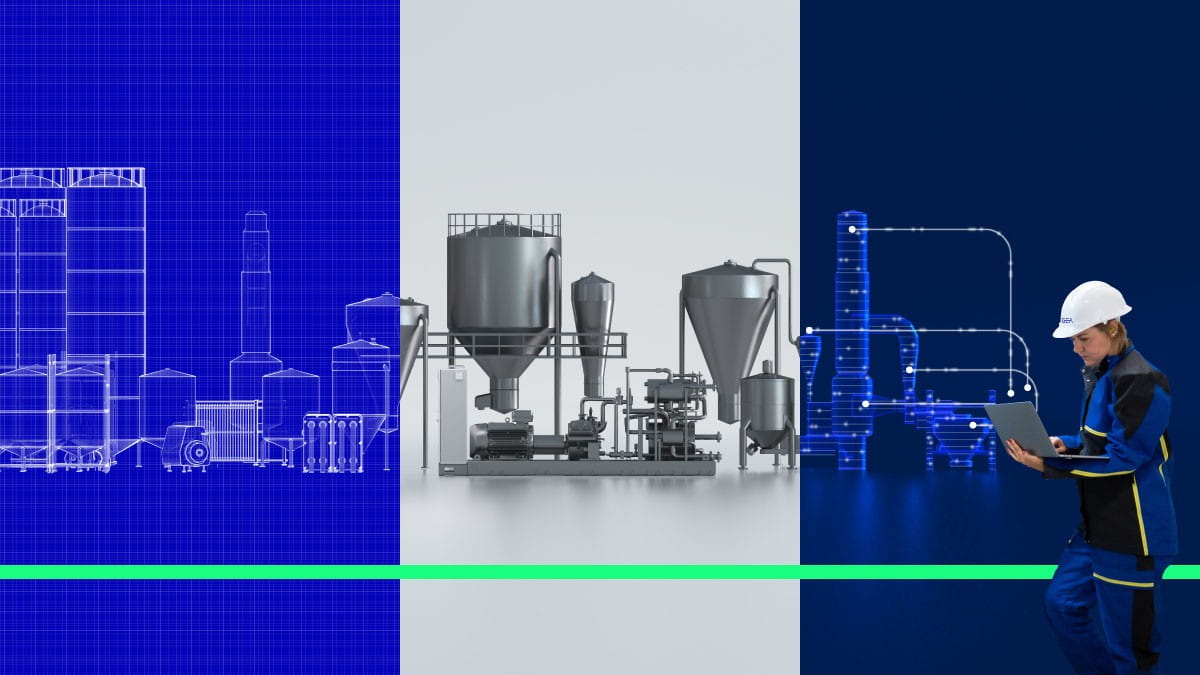
Beyond the machine: unlocking better plant performance
An efficient machine does not automatically make an efficient factory. Real improvement often starts by looking beyond individual equipment and understanding how processes, energy systems and operating decisions affect one another. It’s a holistic approach designed to uncover opportunities that might otherwise be missed.
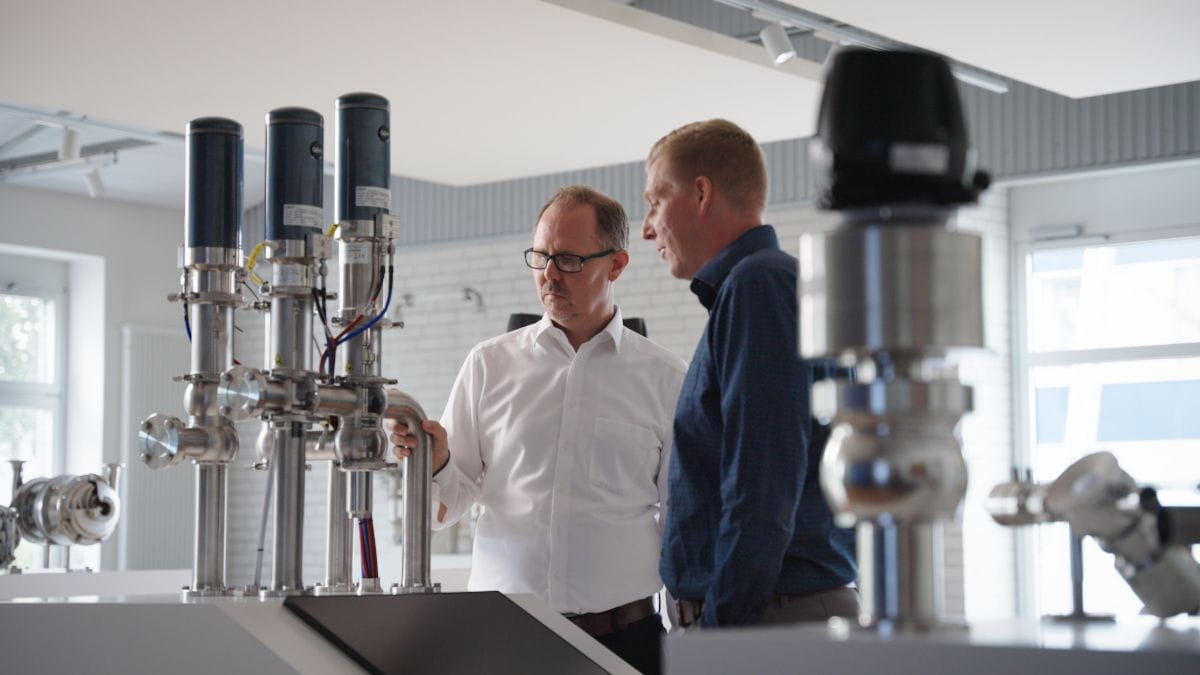
How a valve reshapes the way food and drinks are made
In food and beverage plants, valves are commonly operated using compressed air. GEA Hydract® Actuation Technology moves valves with water instead, in a closed, digitally controlled circuit. The result is a valve that can be held exactly in place and steered in fine-tuned steps. This results in lower energy use and greater control.
