
Fermentation residues yield high-quality fertilizer
Fermentation residues that result from the fermentation of biomass represent a valuable fertilizer for modern agriculture. However, the residues need to be processed both to reduce the levels of nutrients and to produce a fertilizer that is transportable and marketable. GEA decanters are ideal for this task and offer numerous advantages.
Decanters ensure high degrees of separation for very dry solids
GEA decanters reliably separate the solid particles and dewater them to a dry, free-flowing consistency. Demonstrating high throughput capacity, the decanters can handle large volume flows, and guarantee a high dry matter content in the solids of up to 30 percent. And because the clear centrate water can be recycled back into the fermentation process, the use of fresh water is minimized, which further reduces operating and disposal costs.
Products & Technologies
Showing 2 of 2

Decanter Centrifuge
The decanter’s hour has come as soon as the solids content in the suspension to be processed is particularly high. These machines provide the benefits of high clarifying efficiency and maximum dewatering as well as the separation of liquids with the simultaneous removal of solids. The main requirements in this respect include a high bowl speed, a...

Jet pumps
Jet pumps, also referred to as ejectors, are devices for the conveyance, compression or mixing of gases, vapors, liquids or solids and for the production of vacuum in which a gaseous or liquid medium serves as the motive force.
Other applications

Downloads
GEA Insights
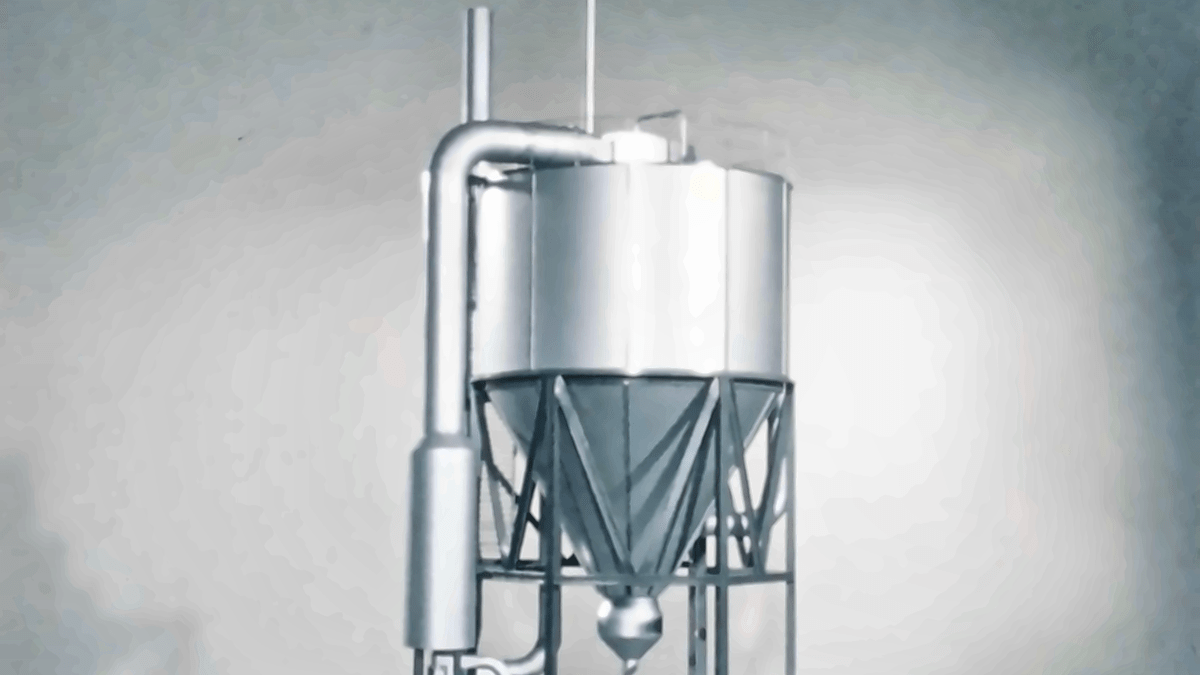
The breakthrough that changed spray drying
In 1976, NIRO engineers responded to a competitive challenge by rethinking what spray drying could do. Their idea became the multi-stage dryer MSD. Fifty years later, the same fundamental principle helps turn liquids into the powders used in essential nutrition products and important medicines around the world. Refined through decades of engineering expertise, customer insight and continuous development, MSD is a story of innovation with lasting impact.
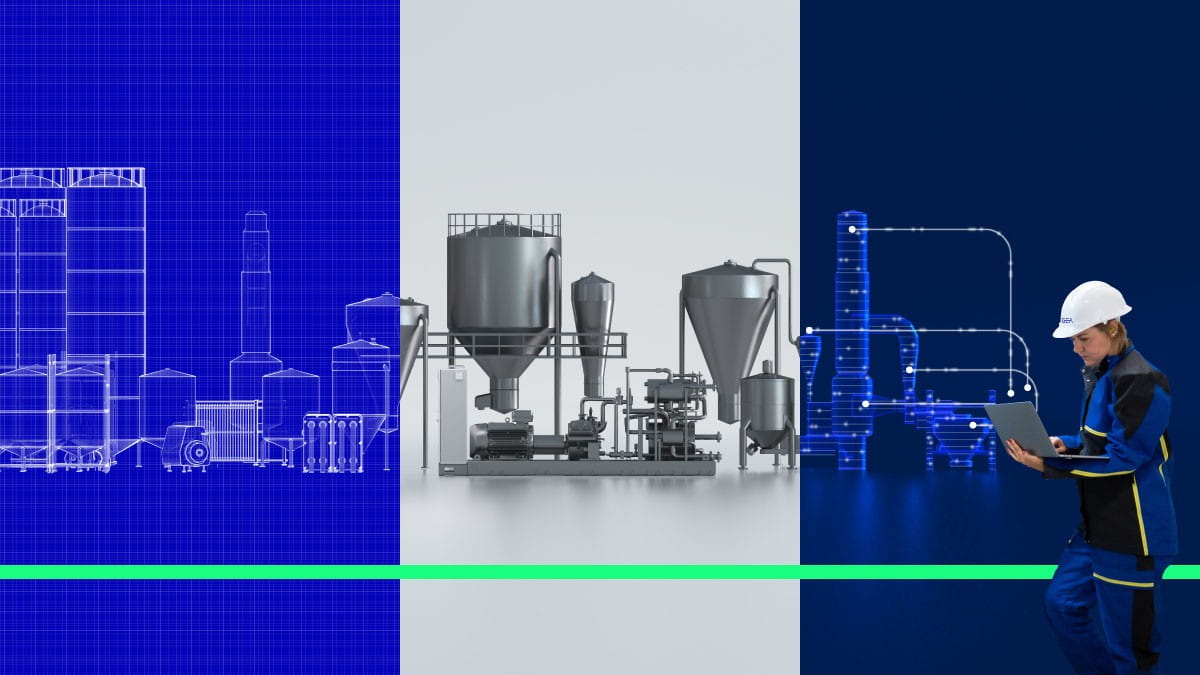
Beyond the machine: unlocking better plant performance
An efficient machine does not automatically make an efficient factory. Real improvement often starts by looking beyond individual equipment and understanding how processes, energy systems and operating decisions affect one another. It’s a holistic approach designed to uncover opportunities that might otherwise be missed.
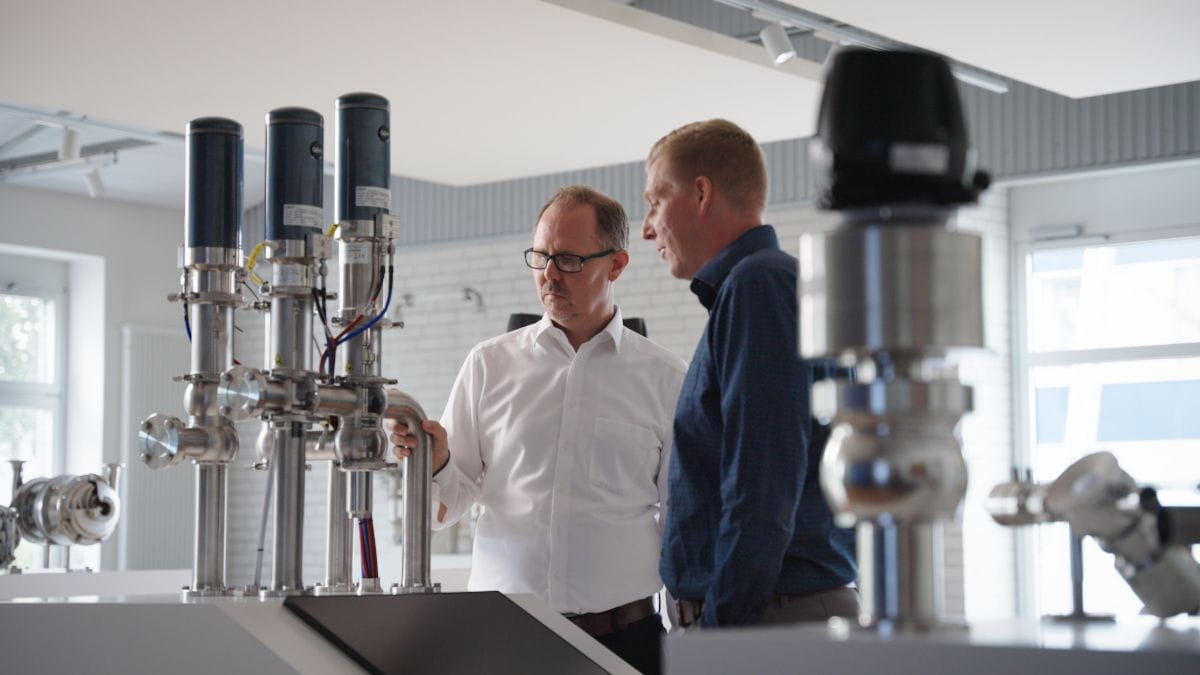
How a valve reshapes the way food and drinks are made
In food and beverage plants, valves are commonly operated using compressed air. GEA Hydract® Actuation Technology moves valves with water instead, in a closed, digitally controlled circuit. The result is a valve that can be held exactly in place and steered in fine-tuned steps. This results in lower energy use and greater control.
