
Gas cleaning units for process and non-ferrous industry
Environmental protection is not only a form of self-preservation of humanity but also a positive trend in the industry.
GEA is a reliable partner for gas cleaning solutions in nearly all areas of non-ferrous production. To ensure the air pollution control, gas cleaning systems are essential components in the process chain. Focusing on cleaning SO2-based gases in the process of sulphuric acid, covers roasters, smelting furnaces and converters for various non-ferrous products including:
- Copper
- Zinc
- Lead
- Molybdenum
Environmental solutions in you process chain might look for example as follows:
Zinc, pyrite and gold roasting smelting furnaces and converters for copper production
- Dust removal from hot gases using cyclones and dry electrostatic precipitators
- Washing and cooling plants (quenching towers, Venturi or radial flow scrubbers, packed cooling towers) including fluorine removal
- Separation of dust, heavy metals and sulphuric acid mist with wet electrostatic precipitators
- Separation of mercury in the calomel process
Rotary kilns
- Fine dust removal and separation of sulphuric acid mist using wet electrostatic precipitators
- Separation of sulphur dioxide using wet and dry procedures on the basis of limestone and caustic soda
Products & Technologies
Showing 4 of 5

Absorption & Gas Scrubbing
GEA supplies scrubbers for an efficient multi-pollutant cleaning of process-and-exhaust gases for various applications.

Cooling, quenching & conditioning
The Rapid Cooling or Quenching of gas streams is used in several essential applications in the process industries.

Heavy Metal Removal
Whether your challenge is mercury control, metal aerosol capture, or integrated multi-pollutant removal, GEA can provide the right technology to meet your environmental and operational objectives.

InsightPartner - collecting actionable insights
Turn equipment data into actionable insights. GEA InsightPartner® helps you detect issues early, plan maintenance ahead and prevent costly downtime.
Other applications


Downloads
GEA Insights
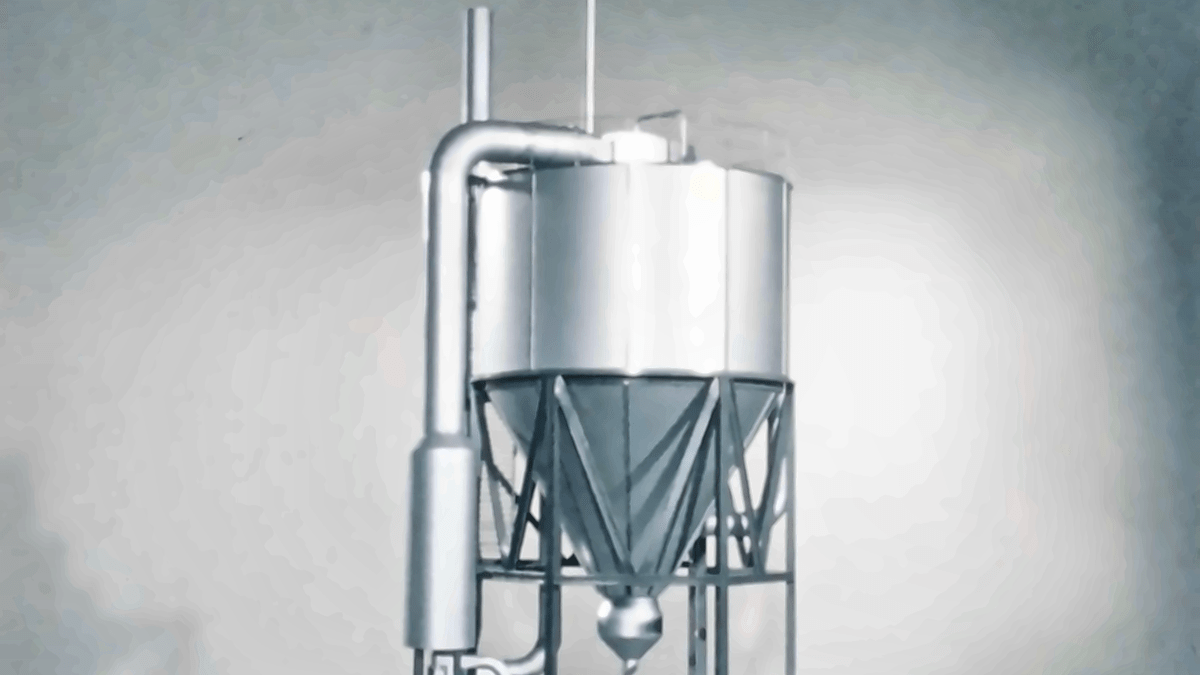
The breakthrough that changed spray drying
In 1976, NIRO engineers responded to a competitive challenge by rethinking what spray drying could do. Their idea became the multi-stage dryer MSD. Fifty years later, the same fundamental principle helps turn liquids into the powders used in essential nutrition products and important medicines around the world. Refined through decades of engineering expertise, customer insight and continuous development, MSD is a story of innovation with lasting impact.
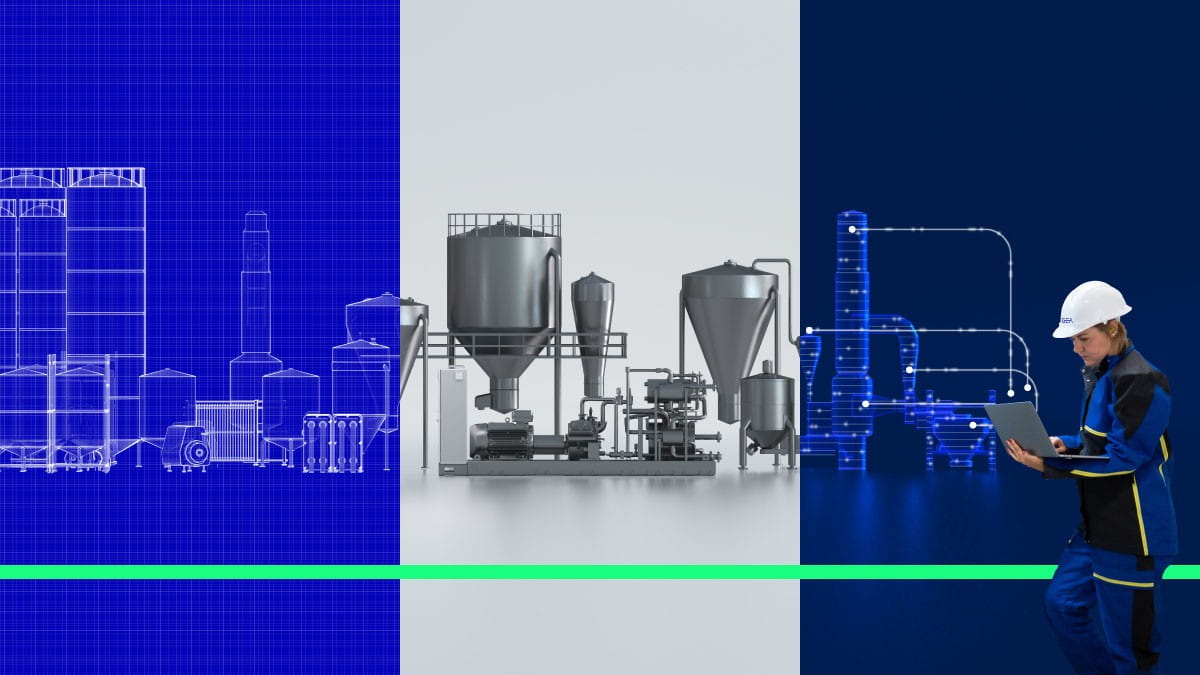
Beyond the machine: unlocking better plant performance
An efficient machine does not automatically make an efficient factory. Real improvement often starts by looking beyond individual equipment and understanding how processes, energy systems and operating decisions affect one another. It’s a holistic approach designed to uncover opportunities that might otherwise be missed.
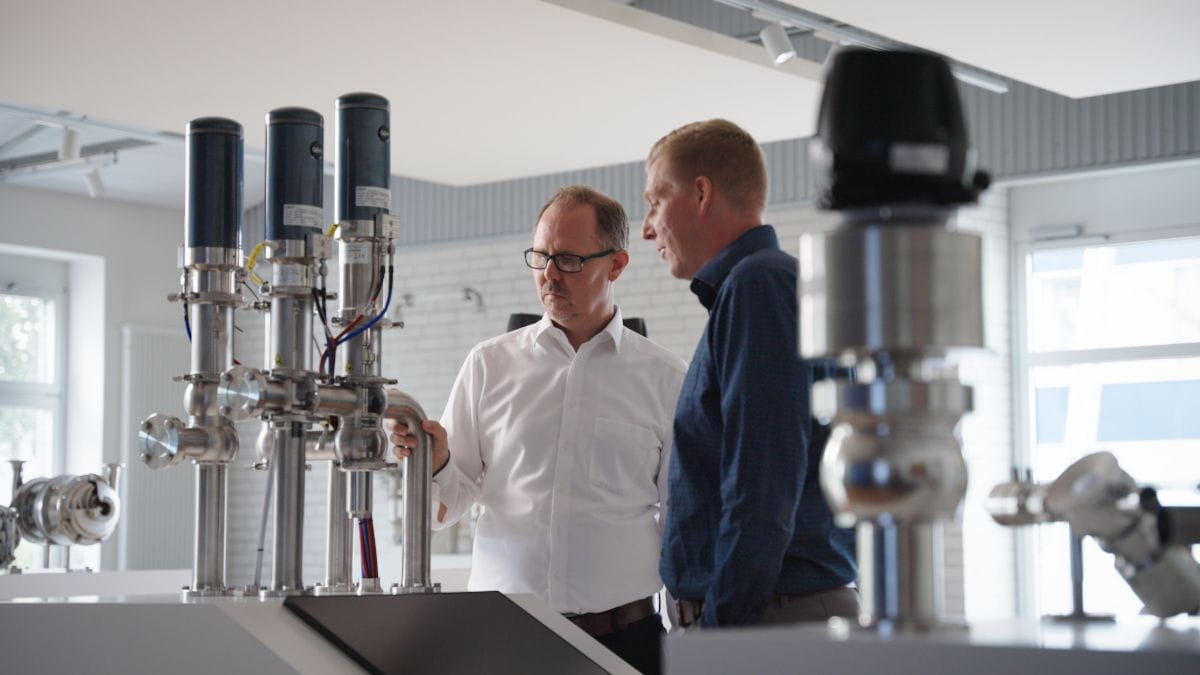
How a valve reshapes the way food and drinks are made
In food and beverage plants, valves are commonly operated using compressed air. GEA Hydract® Actuation Technology moves valves with water instead, in a closed, digitally controlled circuit. The result is a valve that can be held exactly in place and steered in fine-tuned steps. This results in lower energy use and greater control.
