

Sometimes we prefer to add taste to the water that we drink. Whether it is a fruit or a non-fruit flavored drink, it should still give the body proper hydration.
The still drinks segment of the overall drinks market is vast in size and relatively heterogeneous. It comprises juice drinks with low fruit content, sport drinks that are isotonic, hypotonic or hypertonic, and functional beverages that are enriched with vitamins, mineral salts, and auto-oxidizing molecules. Emerging product categories such as functional beverages have highly specific process requirements.
GEA offers processing solutions from individual flow meters to in-line analysis equipment, and from blending systems to water deaeration of CIP (cleaning-in-place) equipment, together with pasteurization plant and sugar dissolving stations. GEA’s portfolio of technology for the still drinks segment also covers traditional, ESL, hot fill and aseptic bottling lines, from blow molding machines to palletizers, for the finished beverage packaging.
Applications
Products & Technologies
Showing 4 of 28

Aseptic valves & components
Aseptic valves face exceptionally high demands within UltraClean and Aseptic processes. You can be assured that they all provide highest quality in terms of hygienic design and sustainability.

Carbonating Products
GEA carbonating systems are designed for the highly accurate continuous carbonation of beverages.

Cold Block Processing
GEA offers a complete portfolio of technologies for the cold process area in your brewery.

Container Handling Equipment
The heart of all fillings systems is the filling machine itself. To make a system requires a lot more. GEA offers complete filling lines which means that we also take care of the complicated task of line integration and control. In order to provide an efficient production line, it is important to consider all parts of the system together. Our exp...
Downloads
GEA Insights
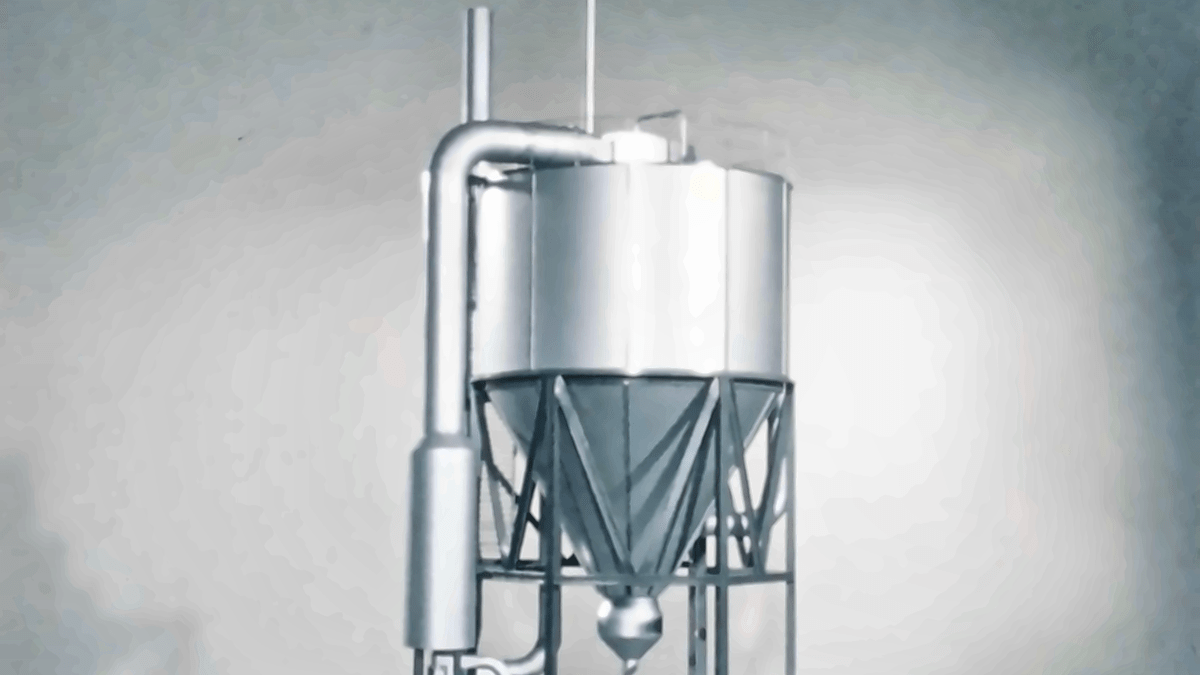
The breakthrough that changed spray drying
In 1976, NIRO engineers responded to a competitive challenge by rethinking what spray drying could do. Their idea became the multi-stage dryer MSD. Fifty years later, the same fundamental principle helps turn liquids into the powders used in essential nutrition products and important medicines around the world. Refined through decades of engineering expertise, customer insight and continuous development, MSD is a story of innovation with lasting impact.

Beyond the machine: unlocking better plant performance
An efficient machine does not automatically make an efficient factory. Real improvement often starts by looking beyond individual equipment and understanding how processes, energy systems and operating decisions affect one another. It’s a holistic approach designed to uncover opportunities that might otherwise be missed.
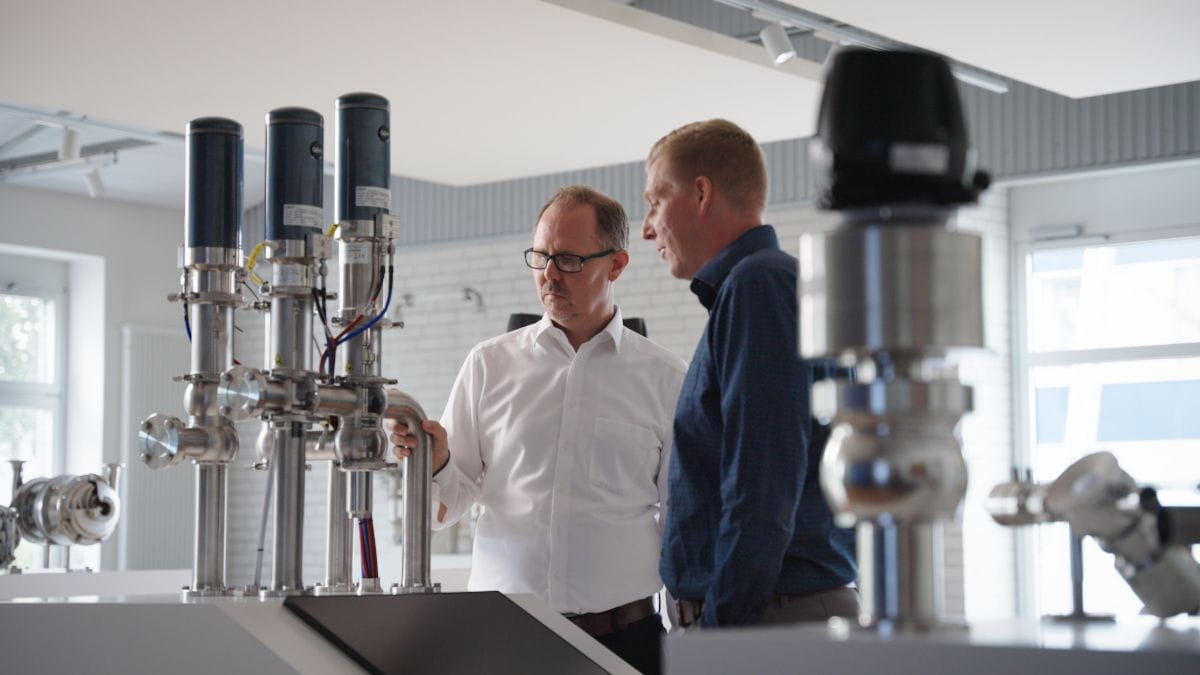
How a valve reshapes the way food and drinks are made
In food and beverage plants, valves are commonly operated using compressed air. GEA Hydract® Actuation Technology moves valves with water instead, in a closed, digitally controlled circuit. The result is a valve that can be held exactly in place and steered in fine-tuned steps. This results in lower energy use and greater control.
