
GEA's strong drive to innovate and improve the compaction process is reflected in the unique design and patented features present throughout our rotary tablet press range.
Our R&D and engineering departments constantly focus on increasing the productivity and flexibility of our tablet presses, improving tablet quality and enhancing operator safety.

Discover NexGen Press®
We have combined the very best aspects of the MODUL and PERFORMA tablet compression lines into a new range: NexGen Press®.
Every aspect of each machine has been deconstructed, analyzed, upgraded and reassembled to represent the best-in-class solution for the widest range of tableting applications, with the aim of enhancing productivity, flexibility and sustainability.
Produkte
Zeigt 4 von 4 an

NexGen Press® 30
Combining the best features of the MODUL-P and PERFORMA-P, the NexGen Press® 30 is ideally suited for formulation development, clinical trial production and small batch/multi-product production. It is modular by design and can be configured to fit specific applications, such as bi-layer compression, MUPS, micro-tablets, OEB levels from 1 to 5, wi...

NexGen Press® 45
The NexGen Press® 45 represents the ultimate combination of modular design, digitization, safety, ease of use and ergonomic functionality, while providing high throughputs for larger tablet production campaigns.
NexGen Press® range
Featuring an innovative design that promotes operator (and environmental) safety and ease of use, the NexGen Press® range is modular, intuitive and cost-effective to run, combining unrivaled containment with fast product changeovers and the best price-performance tableting system..

PERFORMA D Tablet Press
The commercial-scale PERFORMA D is the latest addition to GEA’s portfolio of rotary tablet presses. Designed for the reliable and cost-effective large-scale production of oral solid dosage forms, the new double-sided model combines the benefits of flexibility and robust performance for a wide range of formulations.
Downloads
GEA Insights
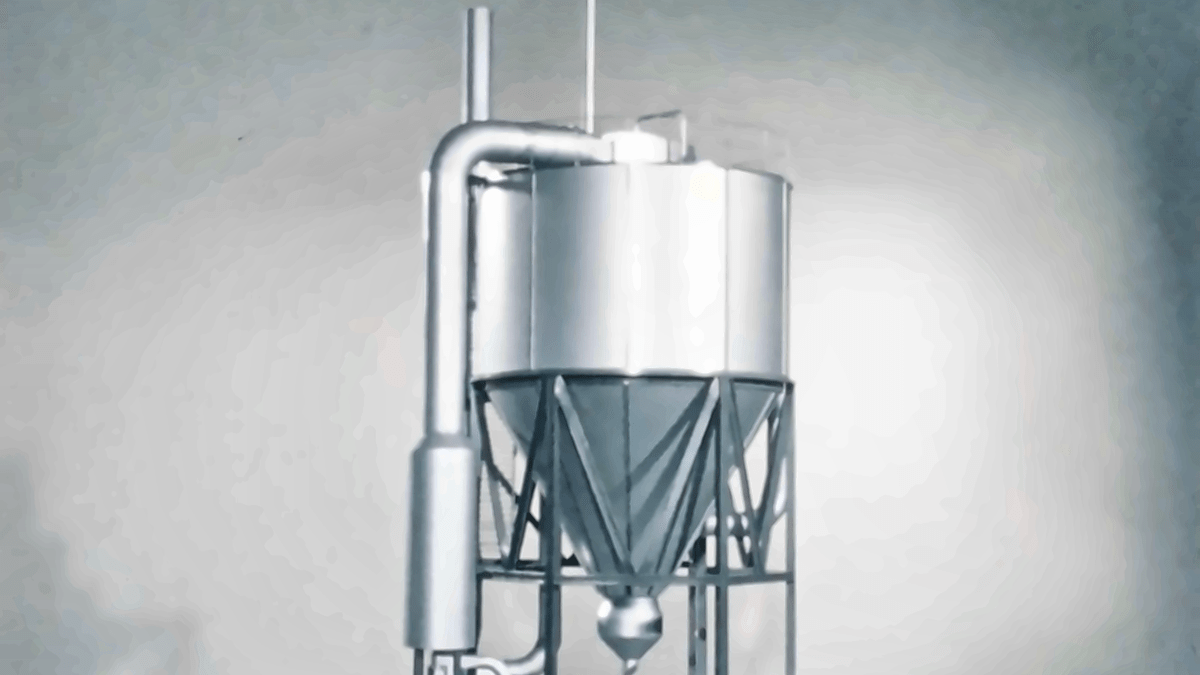
Der Durchbruch, der die Sprühtrocknung revolutionierte
Im Jahr 1976 stellten sich die Ingenieure von NIRO einer neuen Herausforderung im Wettbewerbsumfeld und überdachten die Möglichkeiten der Sprühtrocknung. Aus ihrer Idee entstand der Mehrstufentrockner MSD. Fünfzig Jahre später trägt dasselbe Grundprinzip dazu bei, Flüssigkeiten in Pulver umzuwandeln, die weltweit in unverzichtbaren Ernährungsprodukten und wichtigen Arzneimitteln zum Einsatz kommen. Der MSD wurde durch jahrzehntelanges ingenieurtechnisches Know-how, Kundenfeedback und kontinuierliche Weiterentwicklung verfeinert und steht für eine Erfolgsgeschichte der Innovation mit nachhaltiger Wirkung.

Das Ganze im Blick: Wie Anlagen dauerhaft besser laufen
Eine effiziente Maschine macht noch keine effiziente Produktion. Echte Verbesserungen beginnen oft damit, den Blick über die einzelnen Anlagenelemente hinaus zu richten und zu verstehen, wie sich Prozesse, Energiesysteme und betriebliche Entscheidungen gegenseitig beeinflussen. Ein solcher ganzheitlicher Ansatz hilft beim Identifizieren von Potenzialen, die sonst verborgen bleiben.

Wie eine neue Ventiltechnologie die Produktion von Lebensmitteln und Getränken verändert
In der Lebensmittel- und Getränkeindustrie werden Ventile traditionell mit Druckluft betrieben. Die GEA Hydract®-Antriebstechnologie betätigt Ventile dagegen mit Wasser in einem geschlossenen, digital gesteuerten Kreislauf. Das Ergebnis: Ventile lassen sich präzise in jeder gewünschten Position halten und in fein abgestuften Schritten steuern. Dadurch sinken der Energieverbrauch und gleichzeitig steigt die Prozesskontrolle erheblich.
