

Cost-effective EasyCon
When cost is key and improved return on investment (ROI) is of great importance, the EasyCon Filtration Unit is the right choice for concentrating solids.
GEA cross-flow filtration technology with nanofiltration or reverse osmosis spiral-wound membranes can be used to concentrate the solids content of various feedstocks.
For concentration applications, reverse osmosis membranes should be used. If a partial demineralisation is required, nanofiltration membranes are recommended. Operating at temperatures of approximately 10–15 °C, the filtration unit eliminates the risk of thermally stressing the product.
EasyCon - easy to install and operate
Frame-mounted and ready for installation, the EasyCon unit includes filtration modules with nanofiltration or reverse osmosis membranes, pumps, instruments, a clean-in-place (CIP) dosing unit and control technology for automatic and easy operation.
Operating parameters and performance data of the EasyCon
- Processing feedstocks with a TS of 5–12%, a maximum concentration of up to 25% can be achieved
- With a volumetric concentration factor (VCF) of 4.0, 1,500 l/h of water can be removed from an infeed of 2,000 l/h
- Capacities from 2,000-32,000 l/h
- Low operating temperature (approx. 10–15 °C)
EasyCon at-a-glance
- Plug & play design for fast installation and commissioning
- Compact system design for small footprint
- No assembly on site as all components are frame-mounted
- Automatic control and visualization with touchscreen for easy operation
- Processing of multiple products possible
- Spiral-wound nanofiltration or reverse osmosis membranes
- Standardized modular design to reduce investment costs and improve the return on investment
Downloads

GEA Insights
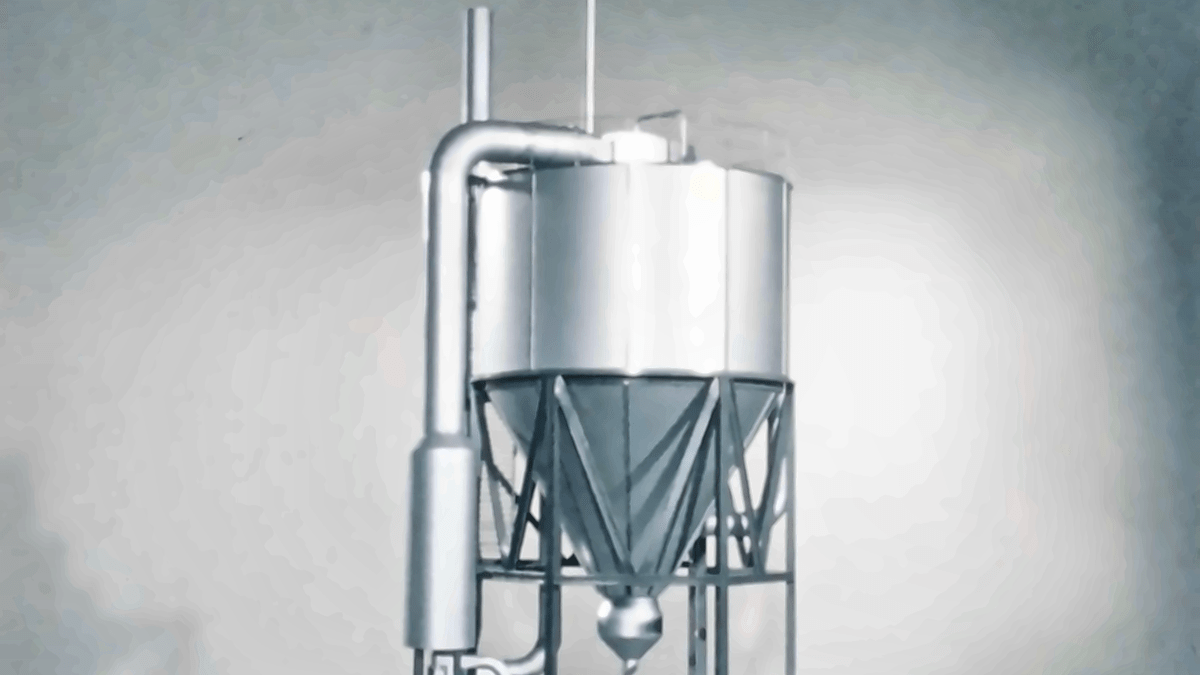
The breakthrough that changed spray drying
In 1976, NIRO engineers responded to a competitive challenge by rethinking what spray drying could do. Their idea became the multi-stage dryer MSD. Fifty years later, the same fundamental principle helps turn liquids into the powders used in essential nutrition products and important medicines around the world. Refined through decades of engineering expertise, customer insight and continuous development, MSD is a story of innovation with lasting impact.
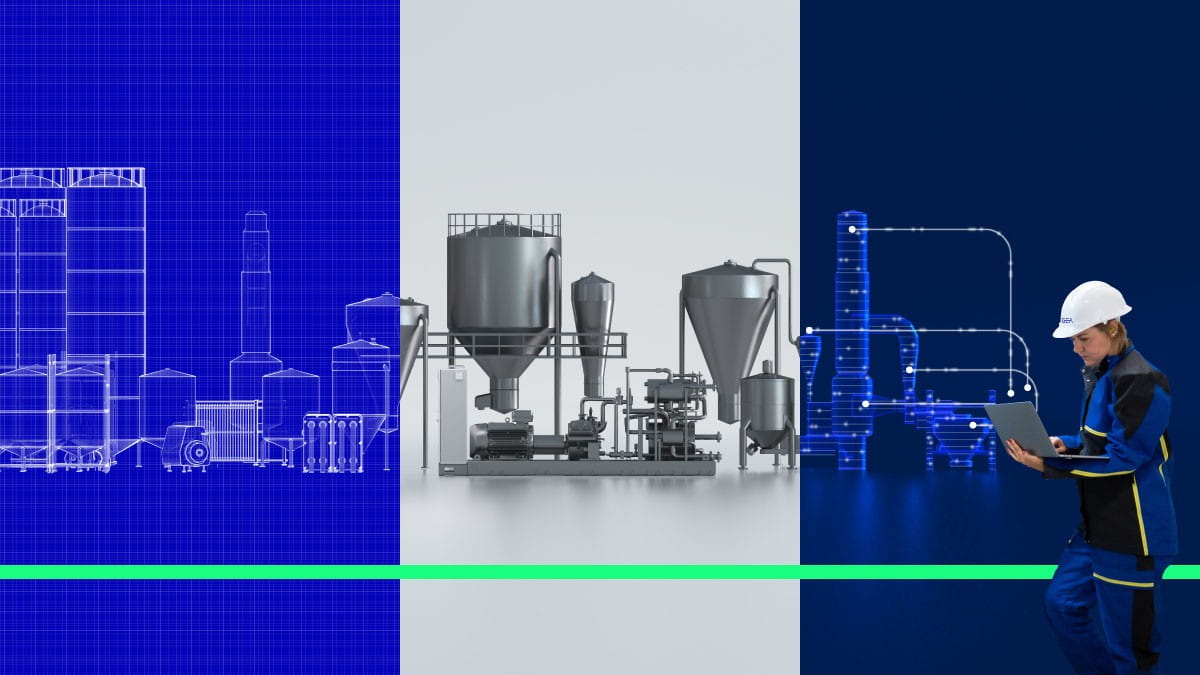
Das Ganze im Blick: Wie Anlagen dauerhaft besser laufen
Eine effiziente Maschine macht noch keine effiziente Produktion. Echte Verbesserungen beginnen oft damit, den Blick über die einzelnen Anlagenelemente hinaus zu richten und zu verstehen, wie sich Prozesse, Energiesysteme und betriebliche Entscheidungen gegenseitig beeinflussen. Ein solcher ganzheitlicher Ansatz hilft beim Identifizieren von Potenzialen, die sonst verborgen bleiben.
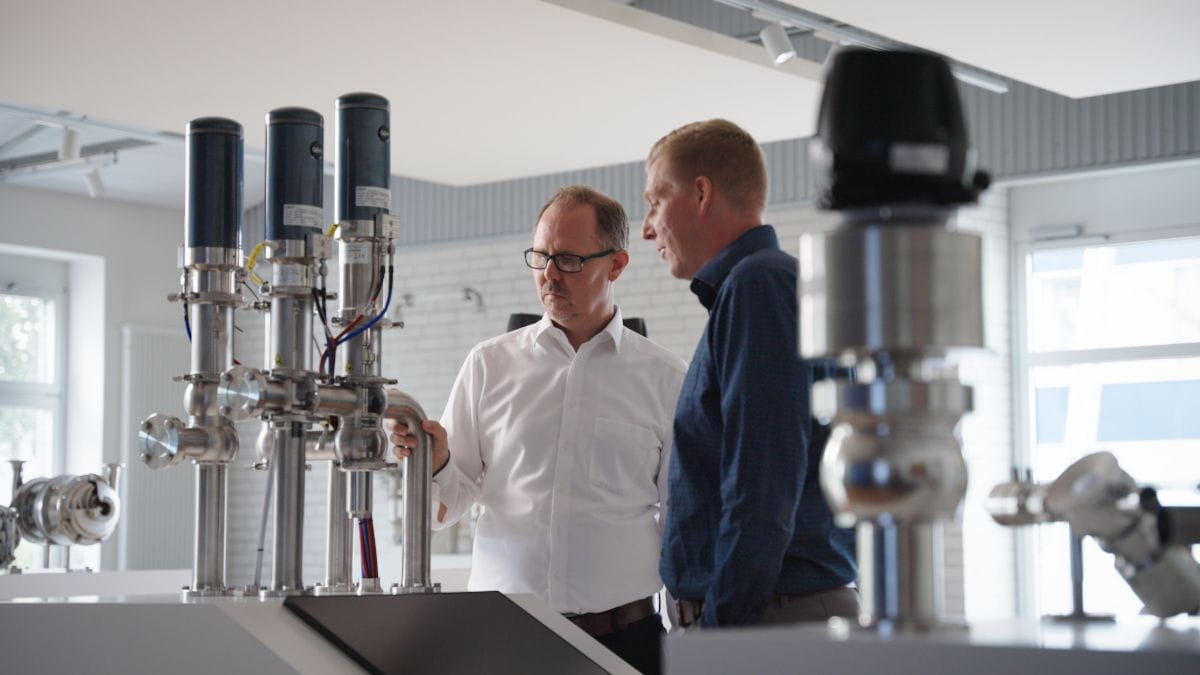
Wie eine neue Ventiltechnologie die Produktion von Lebensmitteln und Getränken verändert
In der Lebensmittel- und Getränkeindustrie werden Ventile traditionell mit Druckluft betrieben. Die GEA Hydract®-Antriebstechnologie betätigt Ventile dagegen mit Wasser in einem geschlossenen, digital gesteuerten Kreislauf. Das Ergebnis: Ventile lassen sich präzise in jeder gewünschten Position halten und in fein abgestuften Schritten steuern. Dadurch sinken der Energieverbrauch und gleichzeitig steigt die Prozesskontrolle erheblich.
