

Safety, versatility and performance even in hazardous environments
This ATEX-compliant table-top unit is engineered for safe and continuous operation at high pressure in environments where explosive atmospheres may be present. It is designed to meet the ATEX Directive 2014/34/EU, ensuring it is proper for use in Zone 2 hazardous areas.
The Panda® X is designed with research flexibility in mind, allowing users to run tests with small sample volumes while ensuring smooth scalability to industrial homogenizers. This makes it an essential tool for optimized product formulation from early experimentation through to production scale‑up.
The compact design of Panda® X Lab homogenizer offers easy installation, use and maintenance and it is suitable for CIP (Cleaning In Place) and SIP (Sterilization In Place, only if performed in safe non-ATEX areas).
The trusted compact design, now with broader capabilities
True to the Panda® family, the Panda® X maintains the same compact footprint while supporting a wide variety of applications – from nanoparticles and cell disruption to food, pharmaceutical, cosmetic and chemical products. With its high-wear resistant material and liquid end design, it is also suitable for abrasive and viscous products.
Two models available: Panda® X 1000 and Panda® X 2000
| Flow rate (l/h) | Pressure (bar) | Electrical supply (Hz) |
|---|---|---|
| 33 | 1000 | 50 |
| 40 | 1000 | 60 |
| 9 | 2000 | 35 |
| 12 | 2000 | 50 |
| 15 | 2000 | 60 |
Distinctive features
- Super Duplex stainless steel and special wear-resistant material
- Completely removable casing for maintenance and cleaning
- Second stage homogenizing valve supplied as standard
- Automatic pressure adjustment as standard
- Pressure trend diagram visualization and alarm visualization
- Inlet and outlet temperature monitoring
- Aseptic execution
ATEX Compliance
Equipment and protective systems intended for use in potentially explosive atmospheres:
- ATEX Directive 2014/34/EU compliant
- ATEX designation: II 3/3/3 G Ex h IIB T4 Gc/Gc/Gc
- Certificate n°: TUV 25 ATEX 9370
- Three points pressure monitoring: product inlet, compression head, second homogenization stage
- Inlet & Outlet product temperature transmitters
- Stainless steel cover, completely removable
- Air temperature transmitter inside the cover
- ATEX-certified electric and electromechanics components
- Electric power board safety barriers
- Safe area pneumatic box and EPB with PLC/HMI
- Safety automatic shutdown with settable over‑limit thresholds
Panda® is registered as a trademark in several countries worldwide.
Downloads
Verwandte Produkte

Homogenisierer – Pilotanlage
Pilotanlagen-Homogenisierer werden für einen kontinuierlichen Betrieb von bis zu 1.500 bar, eingeschränkte Produktionen, eine einfache Plug-&-Play-Installation, einen einfachen Betrieb und schnelle Wartungsarbeiten konzipiert.

Tisch-Homogenisatoren
Tisch-Homogenisatoren sind kompakte Geräte, besonders geeignet zur Behandlung von Nanopartikeln, Nanodispersionen und Nanoemulsionen.

Panda® SMART Lab Homogenizer
The Panda® SMART is the most automated table-top homogenizer, the perfect solution for the pharma laboratories and R&D centers requesting cGMP and data recording

GEA TriplexPanda Lab Homogenisator
null
GEA Insights
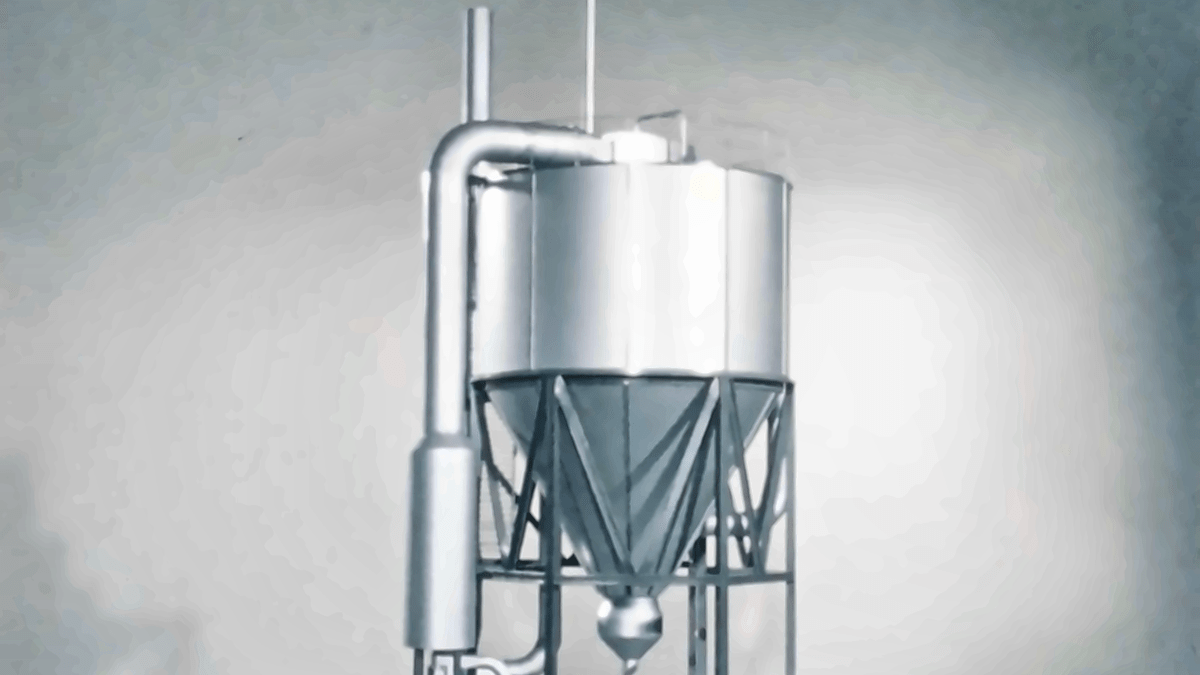
Der Durchbruch, der die Sprühtrocknung revolutionierte
Im Jahr 1976 stellten sich die Ingenieure von NIRO einer neuen Herausforderung im Wettbewerbsumfeld und überdachten die Möglichkeiten der Sprühtrocknung. Aus ihrer Idee entstand der Mehrstufentrockner MSD. Fünfzig Jahre später trägt dasselbe Grundprinzip dazu bei, Flüssigkeiten in Pulver umzuwandeln, die weltweit in unverzichtbaren Ernährungsprodukten und wichtigen Arzneimitteln zum Einsatz kommen. Der MSD wurde durch jahrzehntelanges ingenieurtechnisches Know-how, Kundenfeedback und kontinuierliche Weiterentwicklung verfeinert und steht für eine Erfolgsgeschichte der Innovation mit nachhaltiger Wirkung.

Das Ganze im Blick: Wie Anlagen dauerhaft besser laufen
Eine effiziente Maschine macht noch keine effiziente Produktion. Echte Verbesserungen beginnen oft damit, den Blick über die einzelnen Anlagenelemente hinaus zu richten und zu verstehen, wie sich Prozesse, Energiesysteme und betriebliche Entscheidungen gegenseitig beeinflussen. Ein solcher ganzheitlicher Ansatz hilft beim Identifizieren von Potenzialen, die sonst verborgen bleiben.

Wie eine neue Ventiltechnologie die Produktion von Lebensmitteln und Getränken verändert
In der Lebensmittel- und Getränkeindustrie werden Ventile traditionell mit Druckluft betrieben. Die GEA Hydract®-Antriebstechnologie betätigt Ventile dagegen mit Wasser in einem geschlossenen, digital gesteuerten Kreislauf. Das Ergebnis: Ventile lassen sich präzise in jeder gewünschten Position halten und in fein abgestuften Schritten steuern. Dadurch sinken der Energieverbrauch und gleichzeitig steigt die Prozesskontrolle erheblich.
