

GEA process systems solutions deliver precision and flexibility across a range of technical specifications, including refrigerants, refrigeration temperatures and compressor capacities. From 50 HP to more than 5,000 HP, GEA applies optimal solutions for the most demanding projects.
Diverse applications
GEA process systems are applied to a wide array of applications:
- Natural gas processing
- Dew point control
- Water/glycol chilling
- Heat transfer fluid (HFT) cooling
- Chlorine liquefaction
- Hydrocarbon refining
- Environmental test chambers
- CO2 compression & liquefaction
- Nitrogen chilling
- Air chilling
- Extreme low-temperature refrigeration

This custom-engineered system is used to chill glycol at a petrochemical facility and features two, GEA model 2110GL, oil-flooded screw compressors each operating at 2,500 HP.
Design Flexibility to Keep it Cool
GEA designs and manufactures custom solutions utilizing a wide variety of refrigerants:
- Ammonia
- Hydrocarbons
- CO₂
- Mixed refrigerants
- Freon/HFCs/HFOs
Get in Touch
Industry-leading companies worldwide utilize GEA solutions. After understanding your unique challenges and requirements, GEA draws from its global resources to provide you with the optimal, customized solution to meet your needs.
We invite you to contact us to learn more about our process refrigeration and gas compression solutions.
Produkte und Technologien
Zeigt 0 von 0 an


Downloads
GEA Insights
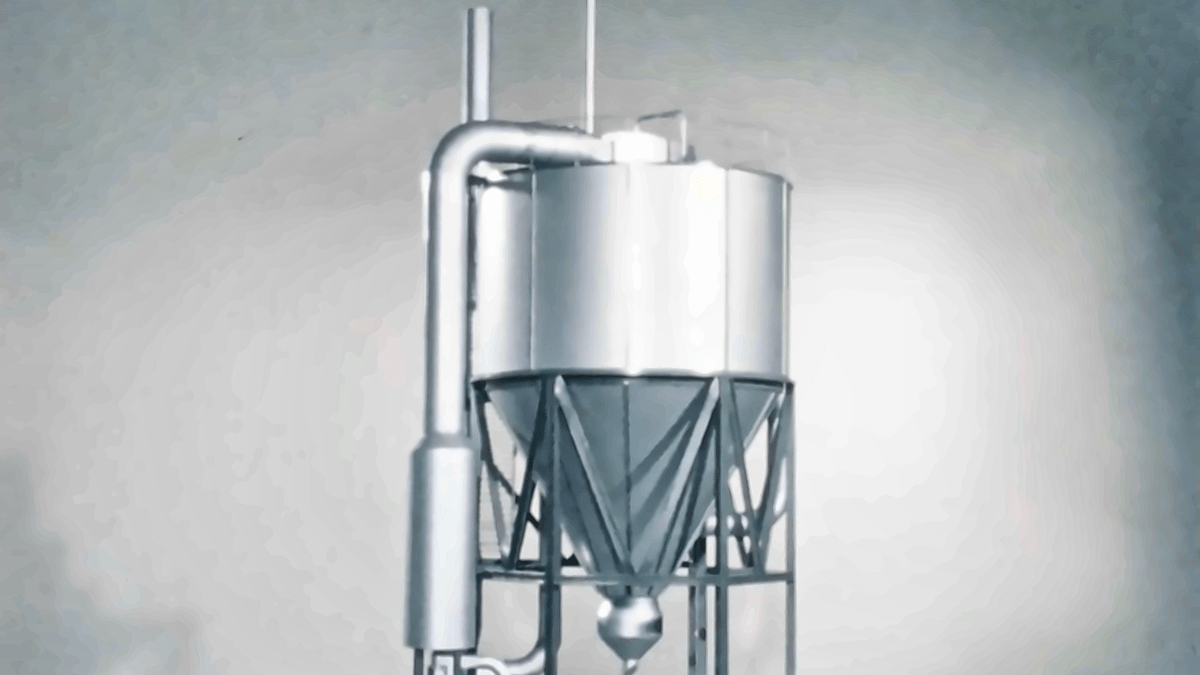
The breakthrough that changed spray drying
In 1976, NIRO engineers responded to a competitive challenge by rethinking what spray drying could do. Their idea became the multi-stage dryer MSD. Fifty years later, the same fundamental principle helps turn liquids into the powders used in essential nutrition products and important medicines around the world. Refined through decades of engineering expertise, customer insight and continuous development, MSD is a story of innovation with lasting impact.

Das Ganze im Blick: Wie Anlagen dauerhaft besser laufen
Eine effiziente Maschine macht noch keine effiziente Produktion. Echte Verbesserungen beginnen oft damit, den Blick über die einzelnen Anlagenelemente hinaus zu richten und zu verstehen, wie sich Prozesse, Energiesysteme und betriebliche Entscheidungen gegenseitig beeinflussen. Ein solcher ganzheitlicher Ansatz hilft beim Identifizieren von Potenzialen, die sonst verborgen bleiben.

Wie eine neue Ventiltechnologie die Produktion von Lebensmitteln und Getränken verändert
In der Lebensmittel- und Getränkeindustrie werden Ventile traditionell mit Druckluft betrieben. Die GEA Hydract®-Antriebstechnologie betätigt Ventile dagegen mit Wasser in einem geschlossenen, digital gesteuerten Kreislauf. Das Ergebnis: Ventile lassen sich präzise in jeder gewünschten Position halten und in fein abgestuften Schritten steuern. Dadurch sinken der Energieverbrauch und gleichzeitig steigt die Prozesskontrolle erheblich.
