

Benefits of our centrifuges
- Superior particle removal: Centrifugal separators efficiently remove cat fines, ensuring cleaner fuel and preventing engine wear.
- Enhanced fuel quality: By eliminating abrasive particles, the separators contribute to higher fuel quality and better combustion performance.
- Increased equipment longevity: Effective removal of cat fines reduces wear and tear on fuel injection systems and engine components, extending their service life.
- Cost savings: Preventing engine damage and reducing maintenance requirements lead to significant cost savings.
- Operational reliability: Continuous and efficient removal of cat fines ensures the reliable operation of fuel systems.
- Environmental compliance: Cleaner fuel combustion results in lower emissions, helping to meet environmental regulations.
The impact of cat fines on engine systems
Cat fines are microscopic particles of spent catalyst that can be present in fuel oils, particularly in residual fuels like heavy fuel oil (HFO). These fines are a by-product of the refining process and are typically composed of aluminum and silicon oxides. Cat fines are highly abrasive and can cause significant wear and damage to fuel injection systems and engine components if not properly removed.
Problems associated with cat fines
- Engine damage: Abrasive cat fines can cause severe wear on fuel pumps, injectors, and cylinder liners, leading to costly repairs and downtime.
- Fuel contamination: Presence of cat fines in fuel can lead to poor combustion and reduced engine efficiency.
- Environmental impact: Inefficient combustion due to contaminated fuel can result in higher emissions of pollutants.
- Operational risks: High levels of cat fines increase the risk of engine failure and operational disruptions.

Boosting treatment efficiency through centrifugal technology
How centrifugal separators help in better treating cat fines
Centrifugal separators utilize the principle of centrifugal force to effectively remove cat fines from fuel oils. When contaminated fuel is introduced into the centrifuge, the high-speed rotation generates a powerful centrifugal force that drives the denser cat fines to the periphery, allowing the cleaned fuel to be collected from the center. This process achieves precise and efficient removal of cat fines, ensuring cleaner fuel and protecting engine components.
Additionally, centrifugal separators can operate continuously, providing consistent and reliable removal of cat fines. They are adaptable to varying fuel compositions and contamination levels, making them suitable for diverse applications within the refining and marine industries. Engineered for durability, these separators require minimal maintenance and are designed to withstand harsh operational conditions, reducing downtime and maintenance costs. By ensuring cleaner fuel, centrifugal separators also help minimize emissions and contribute to environmental sustainabilityProdukte und Technologien
Zeigt 0 von 0 an


Downloads
GEA Insights
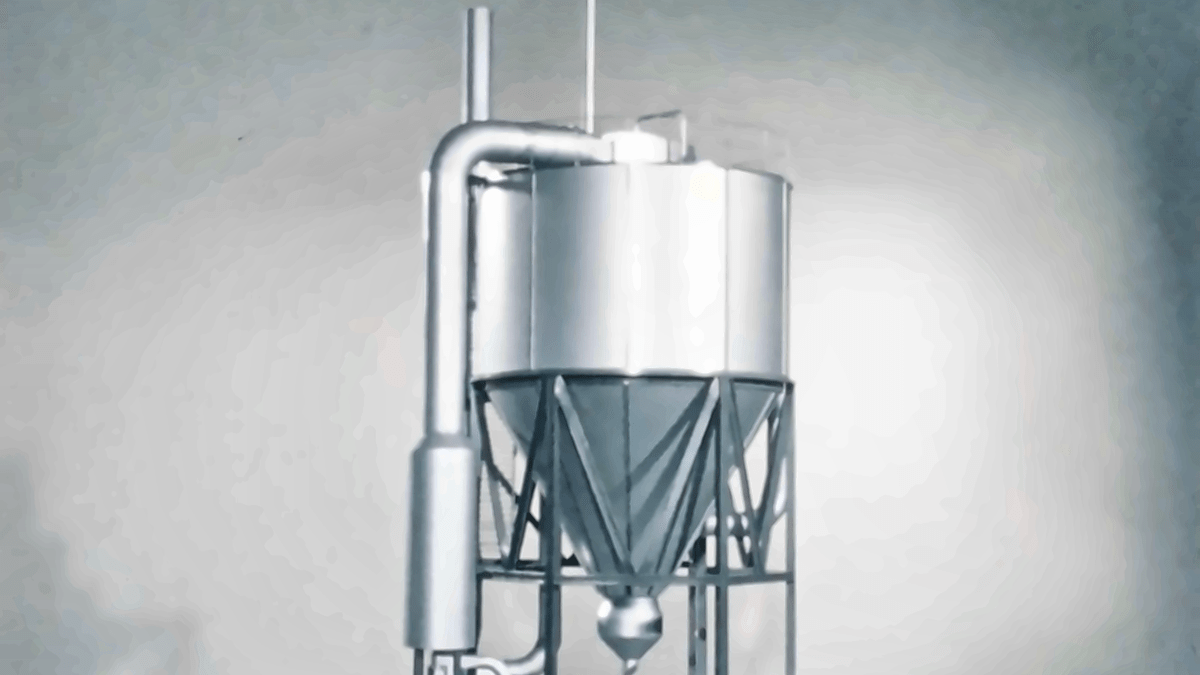
Der Durchbruch, der die Sprühtrocknung revolutionierte
Im Jahr 1976 stellten sich die Ingenieure von NIRO einer neuen Herausforderung im Wettbewerbsumfeld und überdachten die Möglichkeiten der Sprühtrocknung. Aus ihrer Idee entstand der Mehrstufentrockner MSD. Fünfzig Jahre später trägt dasselbe Grundprinzip dazu bei, Flüssigkeiten in Pulver umzuwandeln, die weltweit in unverzichtbaren Ernährungsprodukten und wichtigen Arzneimitteln zum Einsatz kommen. Der MSD wurde durch jahrzehntelanges ingenieurtechnisches Know-how, Kundenfeedback und kontinuierliche Weiterentwicklung verfeinert und steht für eine Erfolgsgeschichte der Innovation mit nachhaltiger Wirkung.

Das Ganze im Blick: Wie Anlagen dauerhaft besser laufen
Eine effiziente Maschine macht noch keine effiziente Produktion. Echte Verbesserungen beginnen oft damit, den Blick über die einzelnen Anlagenelemente hinaus zu richten und zu verstehen, wie sich Prozesse, Energiesysteme und betriebliche Entscheidungen gegenseitig beeinflussen. Ein solcher ganzheitlicher Ansatz hilft beim Identifizieren von Potenzialen, die sonst verborgen bleiben.

Wie eine neue Ventiltechnologie die Produktion von Lebensmitteln und Getränken verändert
In der Lebensmittel- und Getränkeindustrie werden Ventile traditionell mit Druckluft betrieben. Die GEA Hydract®-Antriebstechnologie betätigt Ventile dagegen mit Wasser in einem geschlossenen, digital gesteuerten Kreislauf. Das Ergebnis: Ventile lassen sich präzise in jeder gewünschten Position halten und in fein abgestuften Schritten steuern. Dadurch sinken der Energieverbrauch und gleichzeitig steigt die Prozesskontrolle erheblich.
