
Evan Williams and Sheriden Williams were among the early Australian dairy farmers to adopt GEA robotic milking.
When they began planning a new dairy on their Gippsland farm, the decision was about much more than replacing ageing infrastructure. They were thinking about their cows, the future of the farm and how the next generation would manage the business.
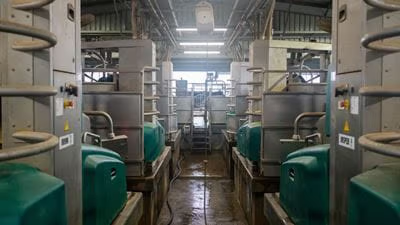
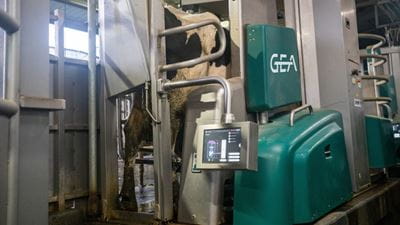
The robots started milking in 2018. Eight years later, 300 cows are milked through six GEA DairyRobot R9500s, with GEA CowScout providing additional individual-cow information to support day-to-day herd management.
For the Williams family, robotic milking has changed how they care for their cows, manage milk quality, organise their day and make farming work for the next generation.
“Technology has taken the pressure off us as a family and just given us more freedom.”
Sheriden Williams & Evan Williams, Gippsland, Victoria.
Using cow data to focus attention
One of the biggest changes for the Williams family has been the way they monitor individual cows.
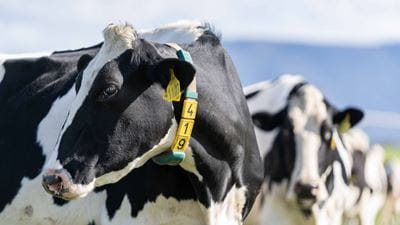
GEA CowScout provides information on cow activity and behaviour, helping the family identify animals that may require closer attention. Rather than relying only on physically checking the entire herd, this information gives them another way to determine where their attention is needed.
Sheriden Williams explains: “It helps to change the way we manage the herd, in that we’re not going down the paddock and looking at cows all the time.”
The family also uses CowScout information to support health and reproductive management. They report that changes in behaviour can sometimes indicate a potential health issue 24 to 48 hours before obvious physical symptoms appear, allowing them to check the individual cow earlier.
For the Williams, technology has not replaced knowing their cows. It helps them know where to look.
Eight years of measurable milk quality results
The Williams family can also point to a measurable change in milk quality. In their previous dairy, they recall regularly dealing with somatic cell counts of approximately 180,000 to 200,000 cells/mL. Today, they say their herd consistently records approximately 60,000 to 90,000 cells/mL.
Individual-cow information also helps the family identify potential health concerns and focus more closely on cows requiring attention. After eight years, these aren't projections of what robotic milking could deliver. They are the Williams family's experience of managing their own herd.
Giving cows more choice in their day
Robotic milking has changed the rhythm of the farm for the cows too. Rather than the whole herd being brought together for fixed milking sessions, individual cows can make their way to the GEA DairyRobot and choose when they are milked.
The Williams say they have seen a difference in the way their cows behave. “They make the decisions of when they’re coming home and what time they’re going to be milked, and when they’re going to get a back scratch, and when they’re going to be fed.” Information on eating, rumination, activity and milking behaviour provides the family with additional visibility of what is happening with individual animals across the herd.
Making dairy farming work for the next generation
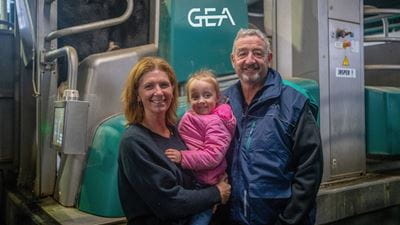
The Williams family's decision to invest in robotic milking was also about people. Their daughter and son-in-law are now heavily involved in this part of the farm while raising their own children.
Without every day being structured around fixed morning and afternoon milking sessions, they have more ability to organise farm work around school, sport and family commitments. That was part of Evan Williams and Sheriden Williams' thinking from the beginning.
They wanted to create a farm that was more: “User-friendly, family-friendly, farm-friendly.”
Eight years later, this next-generation perspective remains one of the most important parts of their robotic milking story.
Eight years on, that's their experience. What do you want from yours?
Every Australian dairy farm is different.
Whether you're considering robotic milking, planning a new dairy or thinking about the next stage of your existing operation, the starting point should be what you want the system to achieve for your farm.
Talk to your local GEA dealer about what robotic milking could look like on your farm.

DairyRobot R9500

