
Technical Features
- Available in steel or stainless steel
- Selection of body material as per German DIN EN12284, AD2000 Series W
- Working mediums: refrigerants as per EN 378 p. 1 e. g. NH3, R22, R134a and blends with refrigerator oil; non-corrosive gases such as propane and butane; glycol-based cold brine
- Flow factor [l/min]: depends on filter material, fineness of filter, viscosity and temperature
- Filter material: stainless steel, glass fiber mat as per API
- Filter fineness [μ]: 10, 25
| OF Oil Filters | |
| material | steel or stainless steel |
| nominal size | DN 15-100 |
| temperature range for
HT Valve Series | -10 °C to +200 °C |
| nominal pressure level | PS 25, PS 40 |
| temperature range | -60 °C to +150 °C |
| connection | butt welding and flanged ends as per DIN and ANSI
brazed ends |
| additional information | mesh size 10-25 μ multilayer fiberglass,
stainless steel |

Oil Filters type OF
Downloads
Produtos de Serviço

GEA Ammonia Dryer
The GEA Ammonia Dryer removes water from the refrigerant cycle and makes the perfect addition to ammonia refrigeration systems along with filters and purgers.

Óleos de Refrigeração por Amônia de Alta Qualidade PR-OLEO®
Os óleos de refrigeração por amônia da mais alta qualidade PR-OLEO® são lubrificantes com hidrocraqueamento de 2 estágios altamente refinados formulados especificamente para uso em sistemas de refrigeração por amônia com compressores alternativos ou de parafuso.

Kits de Serviço da GEA para compressores de parafuso e alternativos
Bem-vindo ao mundo da simplicidade com os Kits de Serviço da GEA para compressores de parafuso e alternativos. Nossa missão é clara: tornar sua experiência com peças de trocar originais perfeita e suas operações mais tranquilas do que nunca. "Tenha calma, use um kit" não é apenas um slogan - é uma promessa que cumprimos.
Insights da GEA
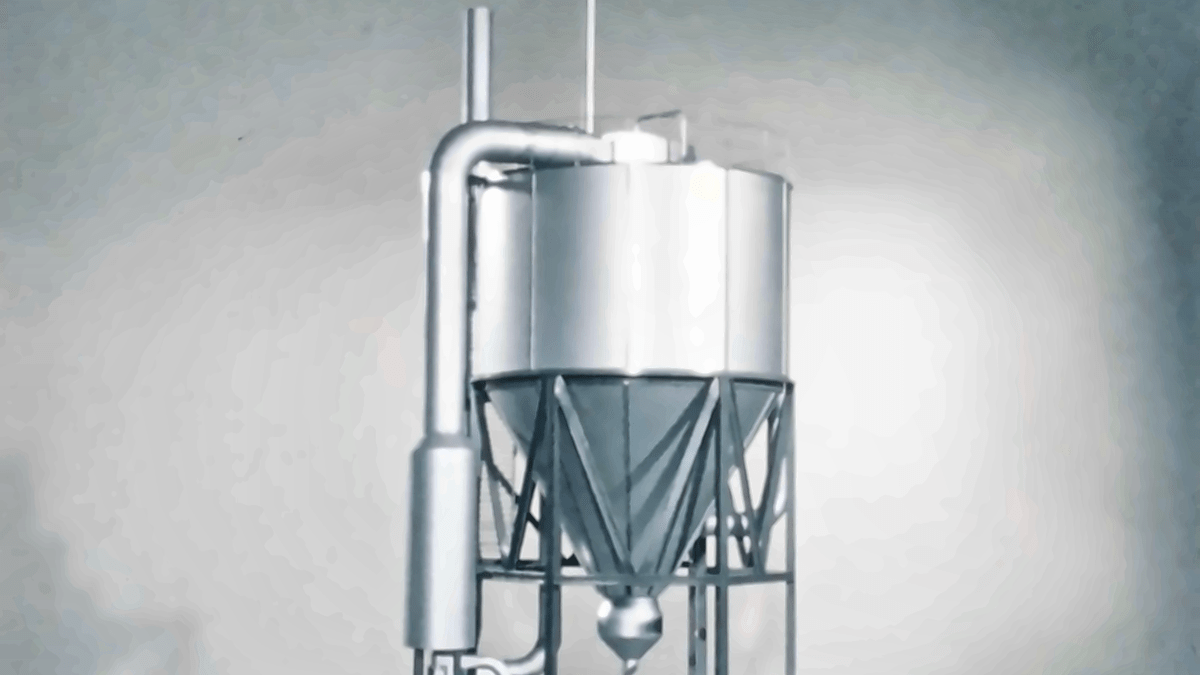
The breakthrough that changed spray drying
In 1976, NIRO engineers responded to a competitive challenge by rethinking what spray drying could do. Their idea became the multi-stage dryer MSD. Fifty years later, the same fundamental principle helps turn liquids into the powders used in essential nutrition products and important medicines around the world. Refined through decades of engineering expertise, customer insight and continuous development, MSD is a story of innovation with lasting impact.

Além da máquina: como alcançar um melhor desempenho da planta
Uma máquina eficiente não significa, por si só, uma fábrica eficiente. A verdadeira melhoria geralmente começa quando se vai além dos equipamentos individuais e se compreende como os processos, os sistemas de energia e as decisões operacionais se afetam mutuamente. É uma abordagem integral concebida para identificar oportunidades que, de outra forma, poderiam passar despercebidas.
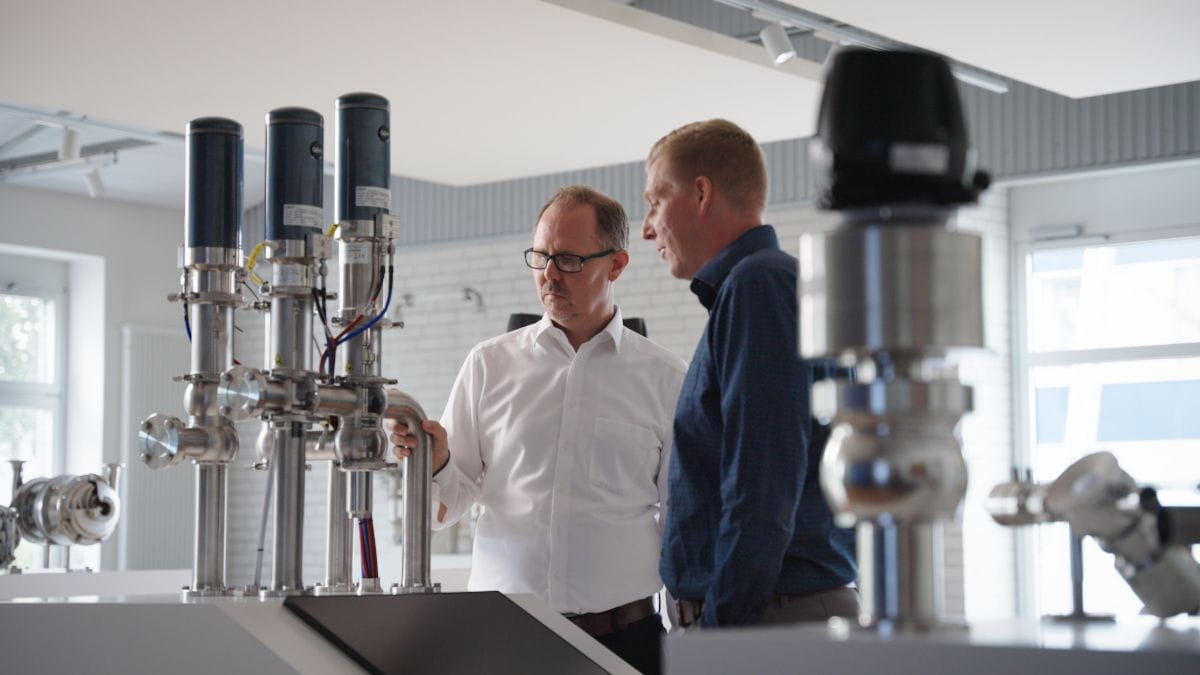
Como uma válvula revoluciona a forma como alimentos e bebidas são produzidos
Em plantas de alimentos e bebidas, as válvulas são normalmente acionadas por meio de ar comprimido. A GEA Hydract® Actuation Technology aciona as válvulas por meio de água, em um circuito fechado e controlado digitalmente. O resultado é uma válvula que pode ser mantida exatamente no lugar e ajustada em etapas precisas. Isso resulta em menor consumo de energia e maior controle.
