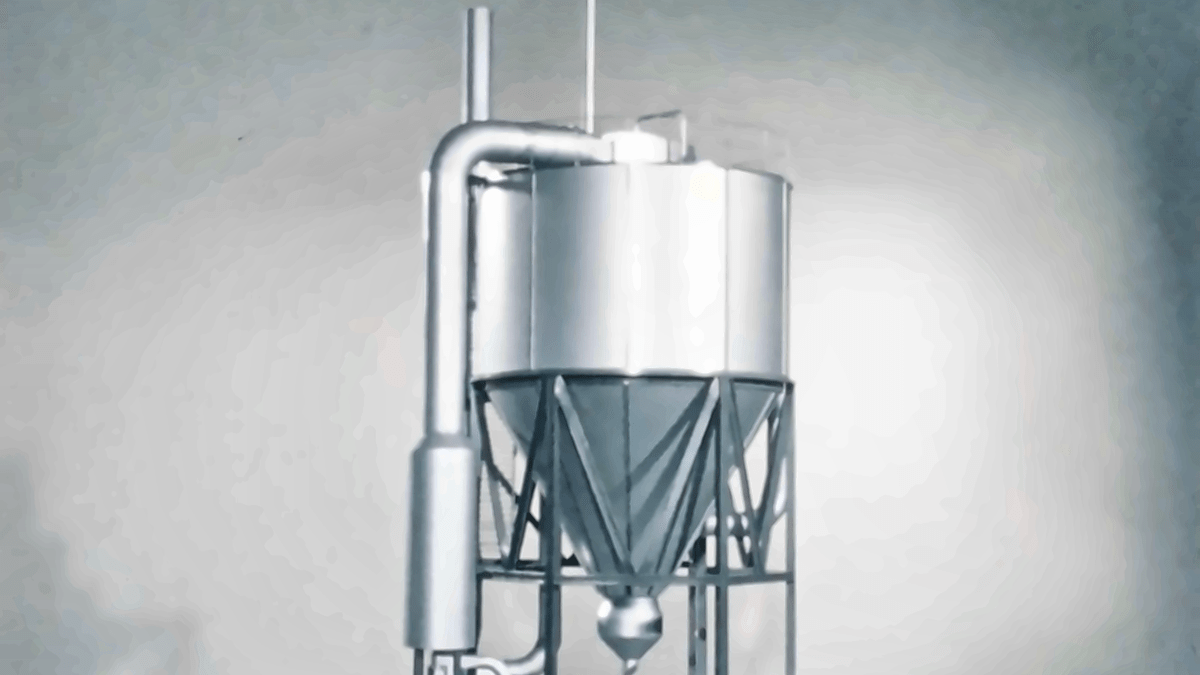
GEA Flocmix® FLD-FLM and FLD-COM
The Flocmix® FLD-FLM and FLD-COM are continuously operating preparation and dosing systems for emulsion and dispersion polymers. The fully automated systems prepare the ready-to-use polymer solution according to process demand and dose it precisely into the process. Operation requires only electricity, polymer concentrate, water and an input signal for the sludge flow rate. A signal from the dry solids measurement can also be integrated as an option.
At the heart of each system is a Flocmix® high-intensity mixer specifically developed for dissolving polymer concentrates. The systems are equipped with the required pumps and complete measurement and control technology. The controller allows the concentration of the ready-to-use solution and the polymer dosage to be set precisely. Its automatic dynamic control function adjusts dosing during operation according to process demand and changing conditions.
Available configurations
- Flocmix® FLD-FLM: Equipped with the Flocmix® FLM high-intensity mixer, a polymer concentrate pump and a dilution water pump
- Flocmix® FLD-COM: Equipped with the Flocmix® FLM-IME high-intensity mixer and a polymer concentrate pump
Key effects and benefits
- Optimal properties and consistently high quality of the ready-to-use polymer solution
- Continuous, fully automated operation
- Demand-based dosing through automatic dynamic control
- Precise adjustment of polymer concentration and dosage
- Reduced polymer consumption and prevention of polymer losses
- Lower operating costs and fast return on investment
- Compact, space-saving design
関連製品

GEA 下水汚泥用デカンタ
GEA 下水汚泥用デカンタは、地方自治体の汚泥を(あらかじめ)脱水・濃縮するために特別に設計された、横型ボウルの連続稼働型の遠心分離機です。

GEA 汚泥用デカンタ
GEA 汚泥処理用デカンタは工場廃水や水処理施設からの汚泥の脱水に適した、エネルギー効率の良いソリューションです。

GEA Flocmixミキサー
GEA Flocmix® ミキサーシリーズは、高品質な製品の最適なブレンドを実現するために設計された、先進的なインライン混合システムです。当社は、数十年にわたる経験とプロセスに関する深い専門知識を活かし、化学薬品、医薬品、食品・飲料、および地方自治体の廃水処理などの業界向けに、オーダーメイドの信頼性の高い効率的なソリューションを提供しています。
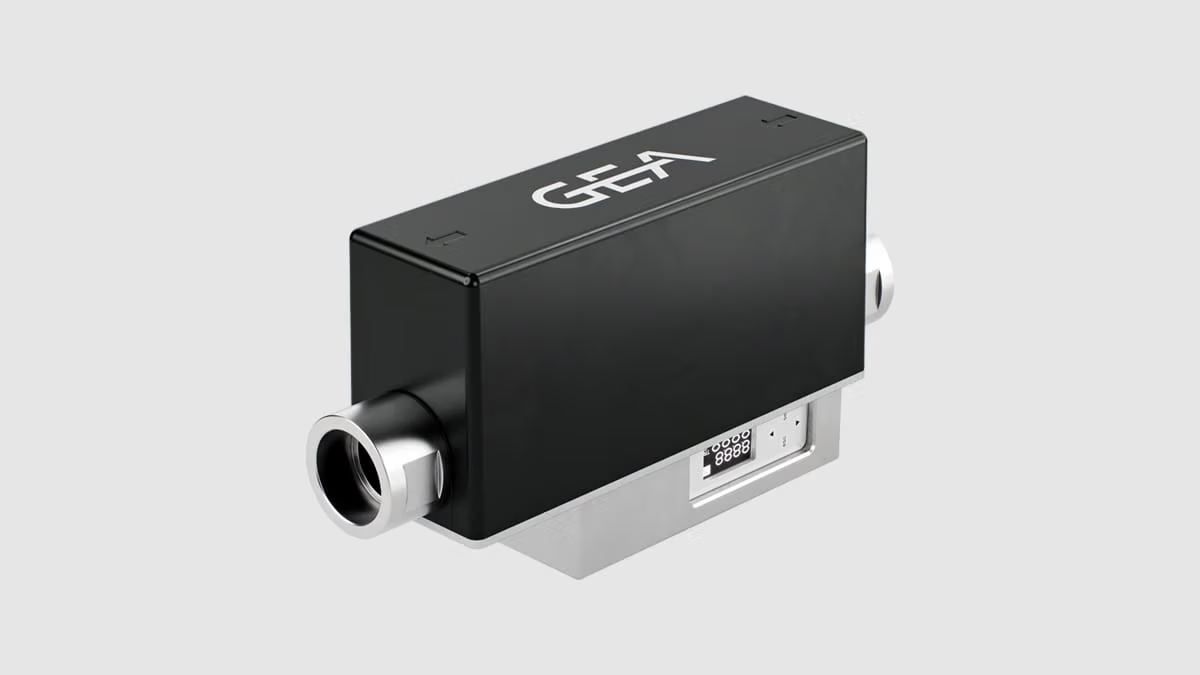
GEA Flocmix® Sensors
GEA Flocmix® Sensors continuously monitor centrate quality and dynamically adapt to changing process conditions. They help maximize dry solids content, reduce polymer consumption, and maintain consistently high separation performance for efficient, cost-effective sludge dewatering.