
Real-Time Characterization of Lyophilized Products

The lyophilization of pharmaceutical products such as vaccines enhances their stability and shelf-life. However, these properties can only be maintained when the resulting cake has a residual water level of 0.2–5.0%.
For this reason, regulatory guidance indicates that this parameter must be controlled and determined. Until now, however, techniques to measure such properties have been both destructive and time-consuming, and therefore uneconomical.
Our GEA LYOSENSE® sensor uses multipoint NIR measurements to comprehensively and non-destructively evaluate freeze-dried product cakes in real-time. This easy-to-install and use online measuring device is a fast and a non-invasive solution to moisture determination, enabling the effortless detection of residual moisture.
GEA LYOSENSE® STATION for Mobile Testing
The LYOSENSE® STATION was designed for the quick, accurate and mobile testing of pharmaceutical glass vials for residual moisture. Mounted on wheels for easy maneuverability, the LYOSENSE® STATION is 900 mm wide and can readily pass through the doors and corridors of most pharmaceutical production areas.
Functions and Features

The LYOSENSE® and LYOSENSE® STATION automatically measure the residual moisture content in lyophilized glass vials, which are manually loaded via a tray on the infeed turntable. Process parameters such as vial speed can be controlled using an integrated touchscreen and residual moisture limits can be controlled by a laptop via an interface. Checked vials are stored on the outfeed table and can be collected manually on the infeed tray.
The NIR sensors measure the vials from the side and/or from below. The results are sent to an external computer, which is isolated from the process area and reports any out-of-specification data. Rejected vials are collected in a container adjacent to the conveyor.
This miniaturized probe is simple to calibrate and enhances product development by facilitating Quality by Design. It also offers the following benefits:
- fast measurement and evaluation (5 ms)
- no required consumables
- simple and easy user interface and operation
- single person operation
- accurate analysis of residual moisture (0.2–5.0% water content)
- 100% vial inspection (from 16.25–33.00 mm) at a rate of up to 100 per minute
- rejection of out-of-specification vials.
Documentation and Testing

Our LYOSENSE® products are verified before delivery in a factory acceptance test (FAT). The results comprise part of the documentation package. Designed to comply with the European Union’s CE Guidelines, they are supplied with a manual, safety instructions and wiring diagram.
Real-Time Residual Moisture Determinationin in Freeze Drying Process with GEA LYOSENSE®
Downloads
Verwandte Produkte

LYOVAC® Pharma Freeze Dryer
GEA’s LYOVAC® industrial-scale freeze dryers are built to customer specifications and are available with production areas of 1–60 m² and condenser capacities of more than 1000 kg.

ALUS® Load & Unload of Lyophilizers
ALUS® Automatic Load & Unload Systems minimize the risk of operator/product contamination while loading and unloading a freeze dryer.
GEA Insights
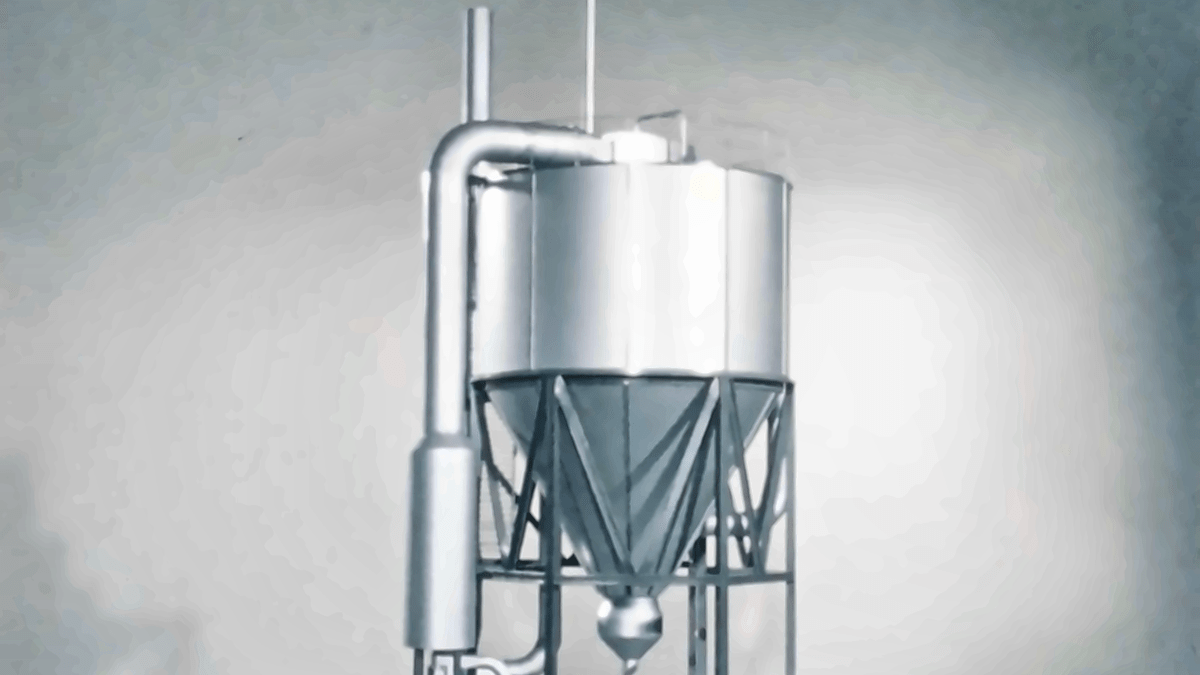
Der Durchbruch, der die Sprühtrocknung revolutionierte
Im Jahr 1976 stellten sich die Ingenieure von NIRO einer neuen Herausforderung im Wettbewerbsumfeld und überdachten die Möglichkeiten der Sprühtrocknung. Aus ihrer Idee entstand der Mehrstufentrockner MSD. Fünfzig Jahre später trägt dasselbe Grundprinzip dazu bei, Flüssigkeiten in Pulver umzuwandeln, die weltweit in unverzichtbaren Ernährungsprodukten und wichtigen Arzneimitteln zum Einsatz kommen. Der MSD wurde durch jahrzehntelanges ingenieurtechnisches Know-how, Kundenfeedback und kontinuierliche Weiterentwicklung verfeinert und steht für eine Erfolgsgeschichte der Innovation mit nachhaltiger Wirkung.

Das Ganze im Blick: Wie Anlagen dauerhaft besser laufen
Eine effiziente Maschine macht noch keine effiziente Produktion. Echte Verbesserungen beginnen oft damit, den Blick über die einzelnen Anlagenelemente hinaus zu richten und zu verstehen, wie sich Prozesse, Energiesysteme und betriebliche Entscheidungen gegenseitig beeinflussen. Ein solcher ganzheitlicher Ansatz hilft beim Identifizieren von Potenzialen, die sonst verborgen bleiben.

Wie eine neue Ventiltechnologie die Produktion von Lebensmitteln und Getränken verändert
In der Lebensmittel- und Getränkeindustrie werden Ventile traditionell mit Druckluft betrieben. Die GEA Hydract®-Antriebstechnologie betätigt Ventile dagegen mit Wasser in einem geschlossenen, digital gesteuerten Kreislauf. Das Ergebnis: Ventile lassen sich präzise in jeder gewünschten Position halten und in fein abgestuften Schritten steuern. Dadurch sinken der Energieverbrauch und gleichzeitig steigt die Prozesskontrolle erheblich.
