

One system. Less complexity. More confidence.
The GEA methanol Fuel2Engine System provides one coordinated solution for the complete fuel handling process – from fuel conditioning to engine injection. By combining the GEA methanol Booster Unit and GEA methanol Valve Train, it reduces interfaces, simplifies integration and ensures reliable methanol fuel supply. As one of the few suppliers offering both components, GEA delivers a fully integrated system or standalone solutions tailored to your project requirements.

Reliable methanol fuel conditioning for safe engine operation.
GEA methanol Booster Unit
The GEA methanol Booster Unit pressurizes and conditions methanol to the precise pressure and temperature required for engine injection. Designed for continuous operation in demanding marine environments, it ensures a stable fuel supply while supporting safe and efficient engine performance.
Built on more than 25 years of booster technology expertise and over 130 years of marine fuel handling experience. Engineered for methanol compatibility and approved by all major classification societies, it provides a reliable, future-ready solution for both newbuild and retrofit projects.

Precise fuel control for reliable engine performance.
GEA methanol Valve Train
The GEA methanol Valve Train precisely controls and meters methanol at the critical interface between fuel conditioning and engine injection. Designed for accurate fuel delivery and dependable operation, it helps ensure safe, efficient and reliable engine performance under demanding marine conditions.
Developed according to the official Everllence design package, the system will be approved and certified for both 2-stroke and 4-stroke engines. Engineered to operate seamlessly with the GEA methanol Booster Unit, it simplifies system integration and delivers a coordinated fuel supply solution for methanol-powered vessels.
Downloads
Verwandte Produkte

GEA marine Separator
Marine separators specialize in the purification of fuel and lube oil as well as bilge and EGR water treatment on board ships.

GEA biofuel Separator
GEA biofuel Separators are tailored to the specific characteristics of biofuels, efficiently separating water and contaminants to meet the stringent requirements of the industry.

GEA ecomarine Separator
The GEA ecomarine Separator is an energy-efficient solution for lube oil treatment and a cost-effective alternative to traditional filter systems.

GEA bilge Separator
GEA bilge Separator with integrated direct drive is designed for cleaning oily water and producing minimum residual oil contents in all performance classes.
GEA Insights
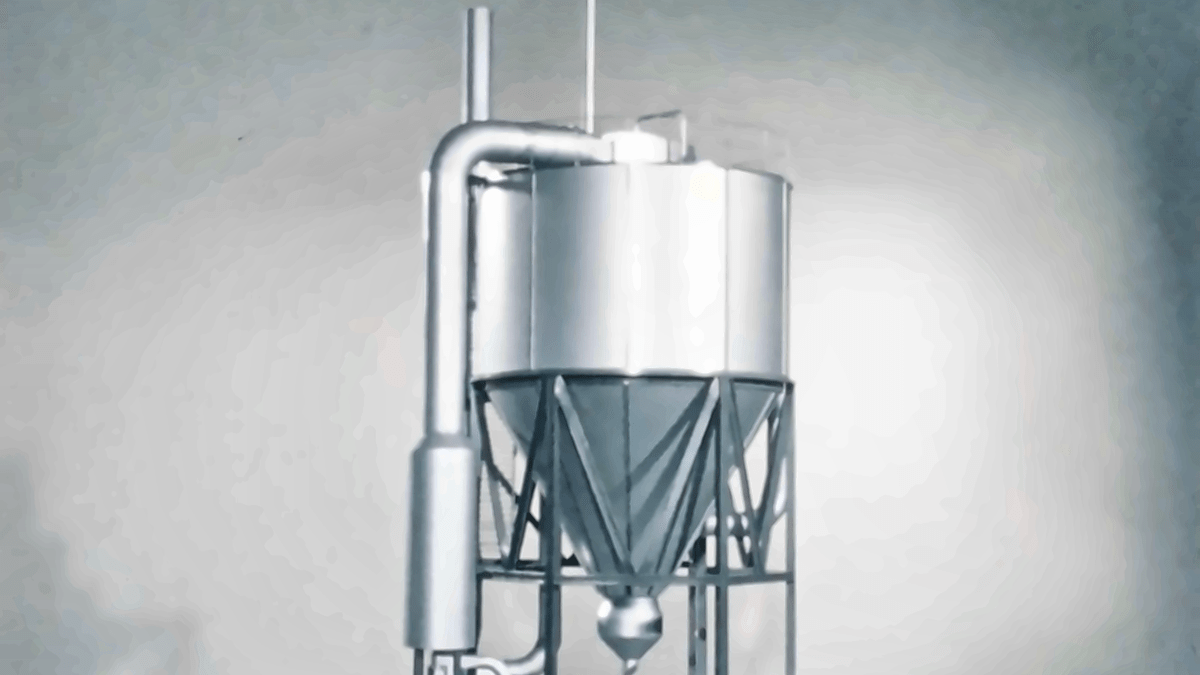
Der Durchbruch, der die Sprühtrocknung revolutionierte
Im Jahr 1976 stellten sich die Ingenieure von NIRO einer neuen Herausforderung im Wettbewerbsumfeld und überdachten die Möglichkeiten der Sprühtrocknung. Aus ihrer Idee entstand der Mehrstufentrockner MSD. Fünfzig Jahre später trägt dasselbe Grundprinzip dazu bei, Flüssigkeiten in Pulver umzuwandeln, die weltweit in unverzichtbaren Ernährungsprodukten und wichtigen Arzneimitteln zum Einsatz kommen. Der MSD wurde durch jahrzehntelanges ingenieurtechnisches Know-how, Kundenfeedback und kontinuierliche Weiterentwicklung verfeinert und steht für eine Erfolgsgeschichte der Innovation mit nachhaltiger Wirkung.

Das Ganze im Blick: Wie Anlagen dauerhaft besser laufen
Eine effiziente Maschine macht noch keine effiziente Produktion. Echte Verbesserungen beginnen oft damit, den Blick über die einzelnen Anlagenelemente hinaus zu richten und zu verstehen, wie sich Prozesse, Energiesysteme und betriebliche Entscheidungen gegenseitig beeinflussen. Ein solcher ganzheitlicher Ansatz hilft beim Identifizieren von Potenzialen, die sonst verborgen bleiben.

Wie eine neue Ventiltechnologie die Produktion von Lebensmitteln und Getränken verändert
In der Lebensmittel- und Getränkeindustrie werden Ventile traditionell mit Druckluft betrieben. Die GEA Hydract®-Antriebstechnologie betätigt Ventile dagegen mit Wasser in einem geschlossenen, digital gesteuerten Kreislauf. Das Ergebnis: Ventile lassen sich präzise in jeder gewünschten Position halten und in fein abgestuften Schritten steuern. Dadurch sinken der Energieverbrauch und gleichzeitig steigt die Prozesskontrolle erheblich.
