
This unit consists of a treatment system that meets the fuel requirements, in terms of the required injection viscosity and temperature, between the clean oil tank and injection system for the main and auxiliary engines. The purpose-built booster pumps provide for the necessary system pressure. The modules are designed to the different engine consumption levels depending on their power ratings, as well as the injection viscosity (approx. 10-24 cSt) and corresponding injection temperatures (approx. 120-150 °C).
Fulfills all requirements
Depending on the engine manufacturer, different variants are required for the integration of ViscoBoosterUnits. GEA has responded by offering a variety of system solutions. Whether with our without stand-by function for feeder pumps, booster pumps and heavy fuel oil preheaters, or for one or more engines - you will always find a solution that meets your needs and expectations.
All systems are compact, lightweight, reliable, easy to install and simple to maintain with all main components operating at optimum performance.
Approved by all major classification societies.
Produkte
Zeigt 2 von 2 an

GEA methanol Fuel2Engine System
GEA methanol Fuel2Engine System combines Booster Unit and Valve Train for reliable methanol fuel conditioning and engine injection.

GEA Visco Booster Unit
Nicht alle Treiböle sind gleich. Besonders bei Schwerölen kann es zu Problemen kommen, da deren Viskosität den Anforderungen der verwendeten Dieselmotoren nicht gerecht wird. Darüber hinaus sollten auch Betriebstemperatur und Druck den Spezifikationen der Motorhersteller so genau wie möglich entsprechen. Mit der ViscoBoosterUnit hat GEA ein Syste...
Downloads
GEA Insights
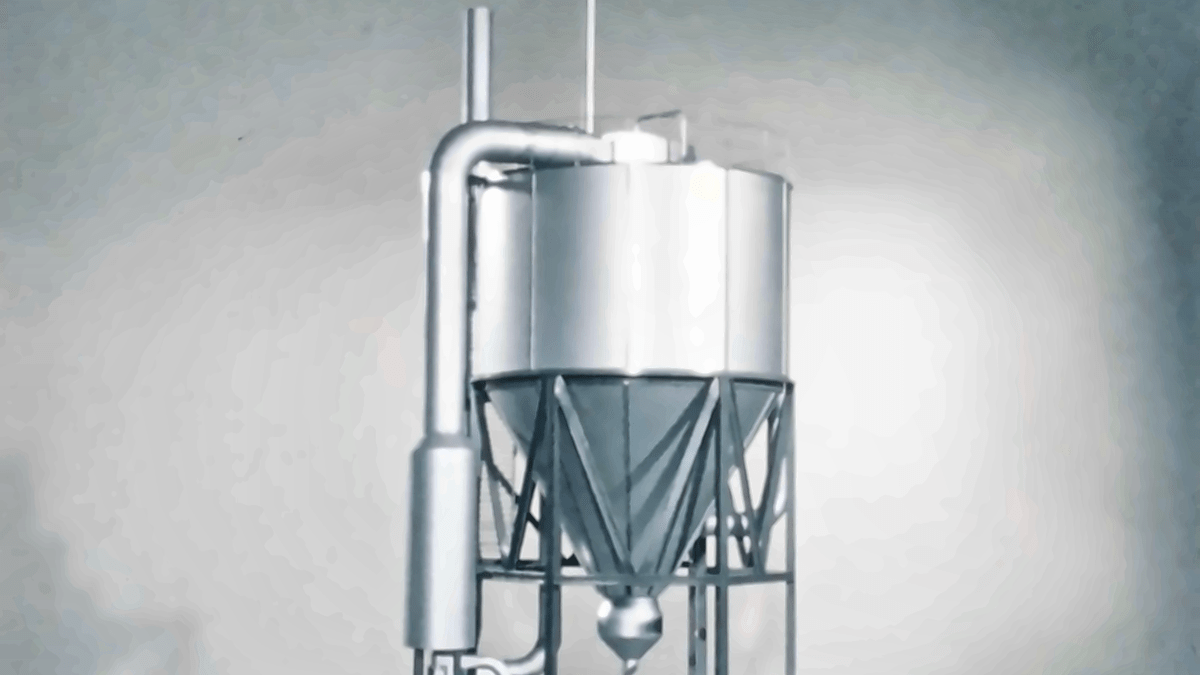
The breakthrough that changed spray drying
In 1976, NIRO engineers responded to a competitive challenge by rethinking what spray drying could do. Their idea became the multi-stage dryer MSD. Fifty years later, the same fundamental principle helps turn liquids into the powders used in essential nutrition products and important medicines around the world. Refined through decades of engineering expertise, customer insight and continuous development, MSD is a story of innovation with lasting impact.
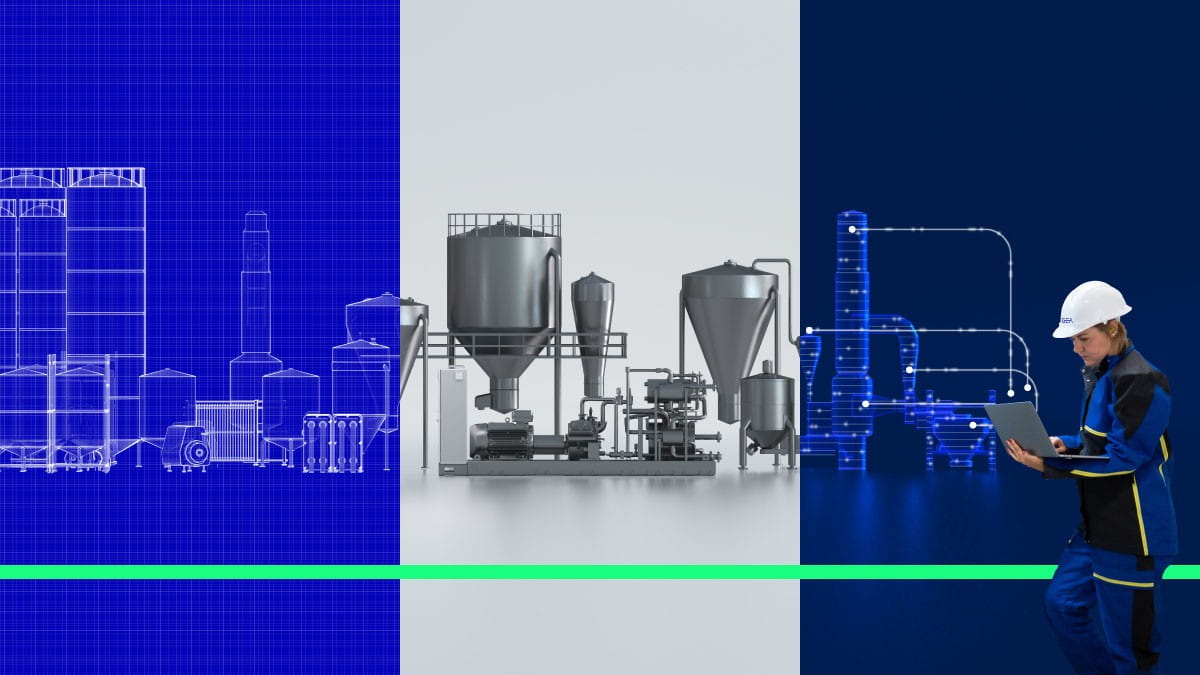
Das Ganze im Blick: Wie Anlagen dauerhaft besser laufen
Eine effiziente Maschine macht noch keine effiziente Produktion. Echte Verbesserungen beginnen oft damit, den Blick über die einzelnen Anlagenelemente hinaus zu richten und zu verstehen, wie sich Prozesse, Energiesysteme und betriebliche Entscheidungen gegenseitig beeinflussen. Ein solcher ganzheitlicher Ansatz hilft beim Identifizieren von Potenzialen, die sonst verborgen bleiben.
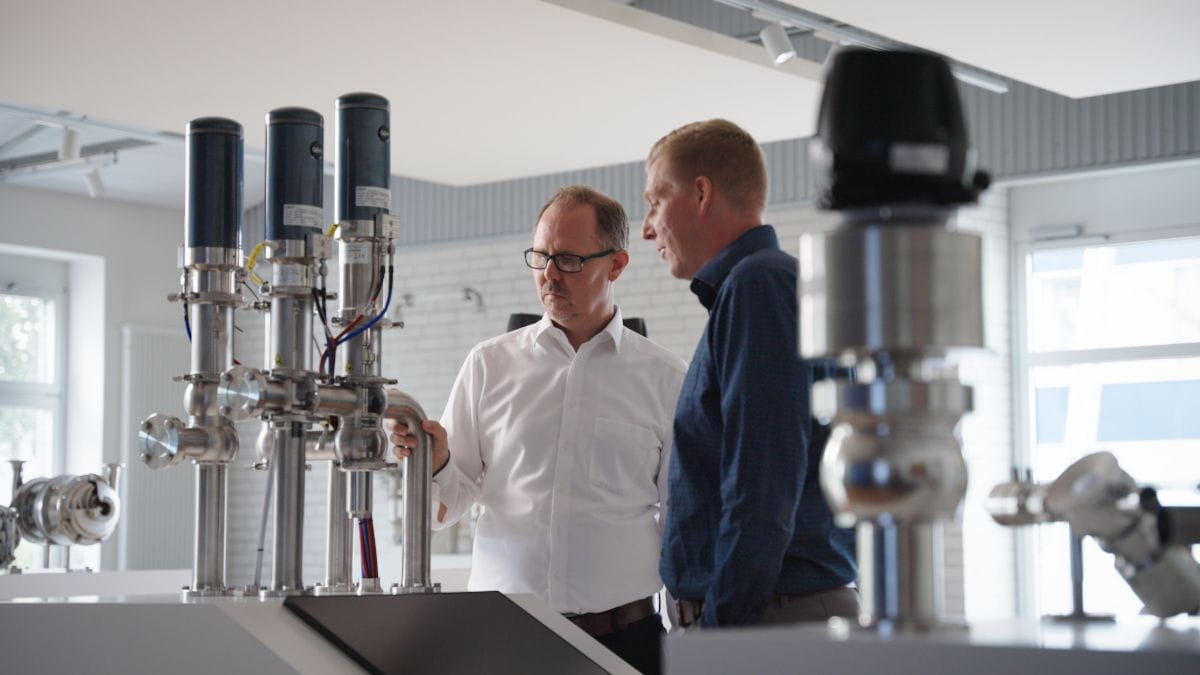
Wie eine neue Ventiltechnologie die Produktion von Lebensmitteln und Getränken verändert
In der Lebensmittel- und Getränkeindustrie werden Ventile traditionell mit Druckluft betrieben. Die GEA Hydract®-Antriebstechnologie betätigt Ventile dagegen mit Wasser in einem geschlossenen, digital gesteuerten Kreislauf. Das Ergebnis: Ventile lassen sich präzise in jeder gewünschten Position halten und in fein abgestuften Schritten steuern. Dadurch sinken der Energieverbrauch und gleichzeitig steigt die Prozesskontrolle erheblich.
