

Reducing ship emissions for a cleaner future
The combustion of fossil fuels on ships not only generates power but also releases harmful emissions, including carbon dioxide (CO2), sulphur oxides (SOx), nitrogen oxides (NOx) and soot. These pollutants contribute to environmental issues such as global warming, smog, acid rain and increased levels of fine particles. The impacts have far-reaching consequences for our planet and health.
To combat this, international regulations like IMO Tier II and Tier III have been implemented to control NOx emissions from ships operating on different fuel types. Ships operating outside and inside NOx emission control areas must adhere to specific NOx limits, especially when using low-sulfur (<0.1%) and high-sulfur (>0.5%) fuels.
NOx reduction by exhaust gas recirculation
Exhaust Gas Recirculation (EGR) effectively reduces NOx emissions and ensures compliance with IMO Tier III regulations for both diesel and gas operations. Engine manufacturers have developed engines equipped with EGR systems to accommodate a range of fuels, including heavy fuel oil (HFO), low-sulfur fuels, liquefied natural gas (LNG), and even methanol to meet IMO requirements.
Challenges of EGR process water
The EGR process generates a byproduct: bleed-off water that requires treatment to meet stringent standards. This water must be treated to less than 15 PPM, which aligns with the requirement for bilge water.
Understanding the challenges faced by shipowners in meeting these water treatment requirements, GEA offers two innovative solutions: the GEA NOx Separator and the GEA bilgEGR Solution.
At GEA, we are committed to offering sustainable solutions that enable shipowners to navigate the waters with confidence, knowing that they are meeting regulatory standards and actively contributing to a cleaner maritime sector.
Together, we can drive the maritime sector towards a more sustainable and environmentally conscious future.
تطبيقات أخرى


Downloads
رؤى GEA
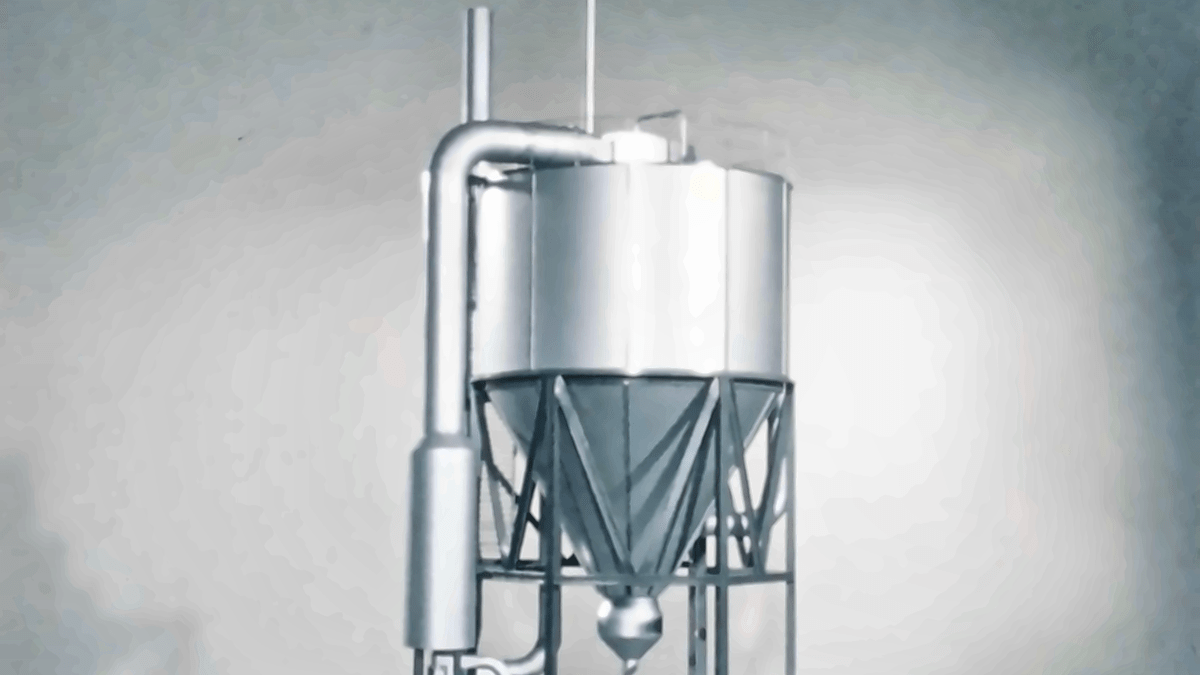
الإنجاز الذي أحدث ثورة في مجال التجفيف بالرذاذ
في عام 1976، استجاب مهندسو شركة NIRO لتحدٍ تنافسي من خلال إعادة تصور الإمكانات التي يمكن أن يوفرها التجفيف بالرذاذ، وأثمرت فكرتهم عن المجفف متعدد المراحل (MSD). وبعد مرور خمسين عامًا، لا يزال هذا المبدأ الأساسي نفسه يساعد في تحويل السوائل إلى مساحيق تُستخدَم في منتجات التغذية الأساسية، والأدوية المهمة في جميع أنحاء العالم. بفضل الخبرة الهندسية المتراكمة على مدى عقود، وفهم احتياجات العملاء، والتطوير المستمر، يُعد MSD قصة ابتكار ذات تأثير دائم.
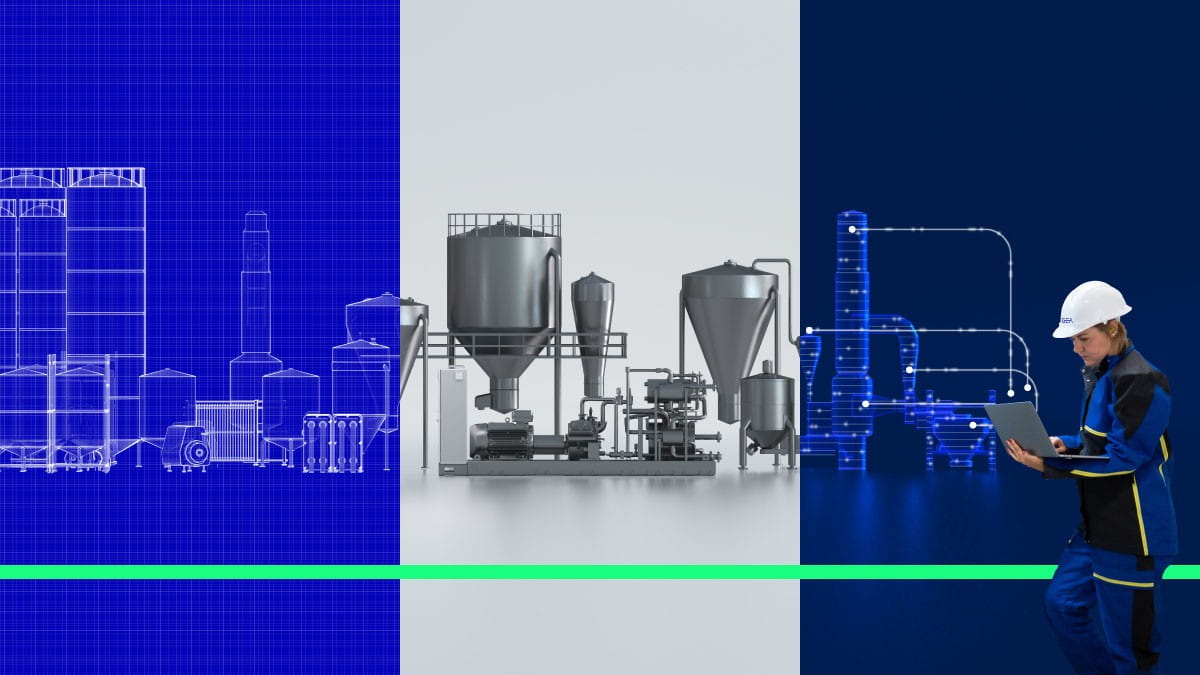
ما وراء الآلة: إطلاق العنان لأداء أفضل للمصنع
إن وجود آلة فعَّالة لا يعني بالضرورة وجود مصنع فعَّال. غالبًا ما يبدأ التحسين الحقيقي بالنظر إلى ما وراء المعدات الفردية، وفهم كيفية تأثير العمليات، وأنظمة الطاقة، وقرارات التشغيل على بعضها البعض. إنه نهج شامل يهدف إلى اكتشاف الفرص التي قد تُفوَّت لولا ذلك.
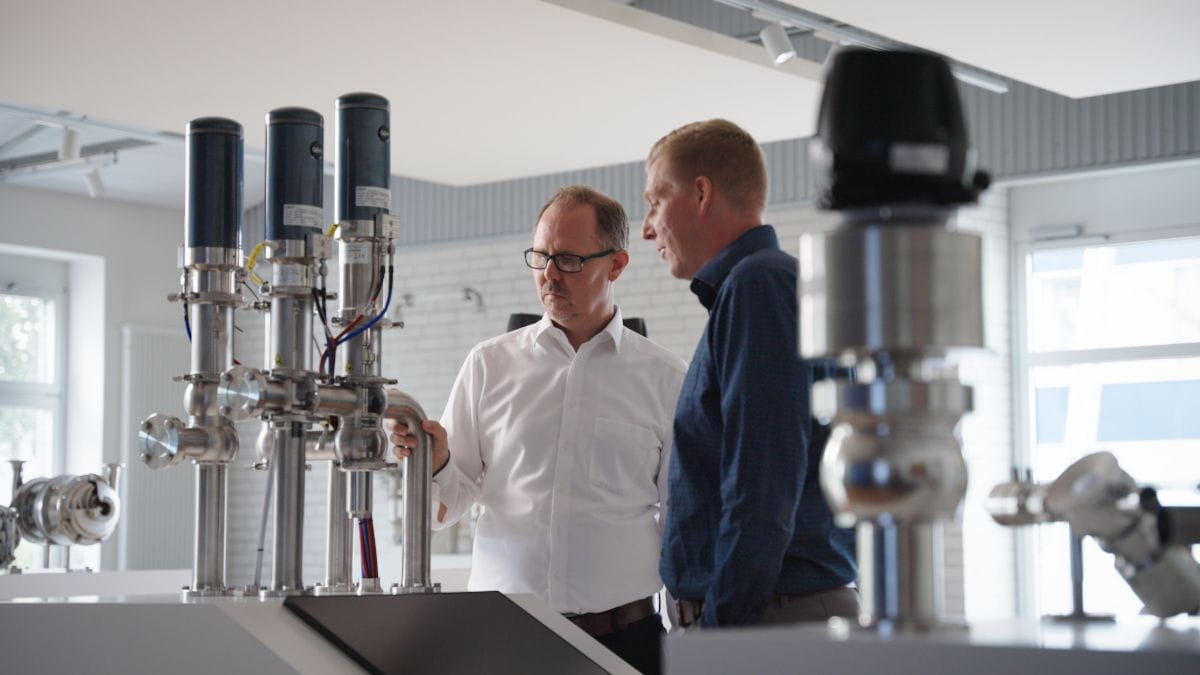
كيف يُحدث الصمام تغييرًا جذريًّا في طريقة تصنيع الأطعمة والمشروبات
في مصانع الأغذية والمشروبات، تُشغّل الصمامات عادةً باستخدام الهواء المضغوط. تعمل GEA Hydract® Actuation Technology على تحريك الصمامات باستخدام الماء بدلاً من ذلك، وذلك ضمن دائرة مغلقة يتم التحكم فيها رقميًا. والنتيجة هي صمام يمكن تثبيته بدقة في مكانه، وتوجيهه بخطوات دقيقة. وينتج عن ذلك انخفاض في استهلاك الطاقة، وتحسين مستوى التحكم.
