
Rising energy costs, decarbonization targets and growing sustainability expectations are pushing producers to find new ways to reduce consumption while maintaining product quality, food safety and profitability.
The business case for action is becoming increasingly clear. According to the PwC UK Energy Survey 2024, 71% of businesses expect high energy costs to reduce their ability to compete internationally. Energy efficiency has therefore become both a sustainability priority and a business necessity.
This creates a new challenge. Manufacturers need solutions that reduce energy consumption without negatively affecting throughput, yield or product quality.
Reduce, reuse and optimize
When companies look to improve efficiency, the first question is often about equipment: which machine uses less energy? While equipment certainly matters, focusing on individual machines can mean missing a much larger opportunity.
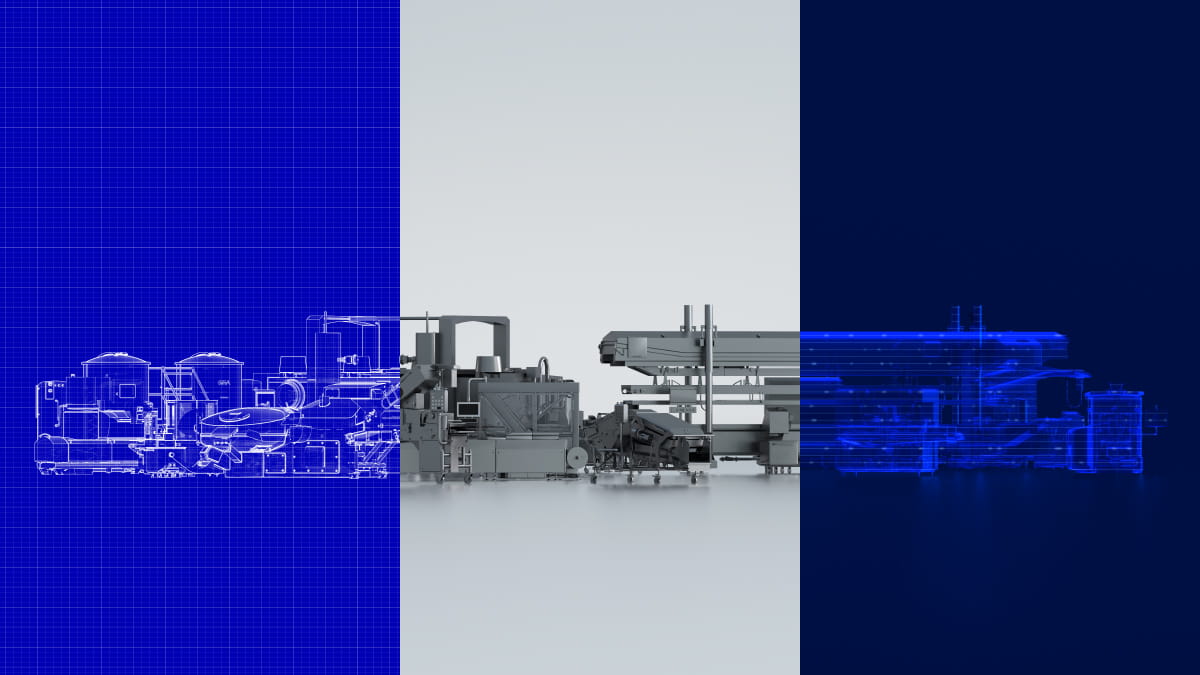
The greatest gains are often uncovered by looking at the entire production line and understanding how processes interact with one another. Heat is added to products in one process and removed again in the next. Energy is generated, transferred, recovered and lost across multiple production steps. Without a broader view of these energy flows, valuable opportunities can remain hidden.
By mapping energy flows across production, manufacturers can identify where energy is consumed, where it is lost and where improvements can deliver the greatest impact. Looking at the full production line does not reduce energy consumption by itself, but it provides the insight needed to identify opportunities to reduce, reuse and optimize energy use.
Let's explore three key ways food manufacturers can improve energy performance.
1. Reduce energy demand
The most sustainable energy is the energy you do not use.
Modern food processing equipment is becoming increasingly energy efficient by design. New generations of ovens, refrigeration systems and other processing technologies often require significantly less energy while delivering equal or better production performance.
However, replacing equipment is not always necessary to achieve meaningful savings. Existing systems frequently contain untapped opportunities to reduce energy consumption through targeted improvements and process optimization.
Take industrial ovens as an example. Energy demand can often be reduced by optimizing humidity control. Installing dampers at the infeed and outfeed can help retain heat and reduce the amount of steam required to achieve the same process conditions. Operating at lower humidity levels reduces steam consumption while maintaining product quality.
In many cases, relatively small interventions can deliver measurable energy savings while extending the value of existing equipment investments.
2. Reuse energy already available in your process
Once energy flows become visible, opportunities for recovery and reuse often emerge.
Food processing lines generate considerable amounts of excess heat. Refrigeration systems continuously remove heat from products and production environments, while ovens discharge hot and/or humid exhaust air.
By using heat recovery technologies and industrial heat pumps, this energy can often be upgraded and reused elsewhere in the facility. Recovered heat can be used to preheat water for production, cleaning or sanitation processes, reducing overall energy demand.
In some cases, recovered heat can even be reused within the same production process or product stream, further increasing efficiency and reducing the need for additional energy input.
These opportunities can significantly reduce overall energy demand while lowering emissions and operating costs.
“We can even take it a step further and fully decarbonize a production line. This is where excellent food products, energy efficiency and sustainability can come together.”
Michiel van Rijnbach
Innovation & Sustainability Specialist
3. Improve process knowledge and optimize settings
Technology alone does not guarantee energy efficiency. Even highly efficient equipment can consume unnecessary energy when process settings are not optimized.
One of the most effective ways to improve energy efficiency is often through better use of existing equipment. Manufacturers frequently discover opportunities that require little or no capital investment simply by optimizing settings, reviewing production practices or improving operator awareness.
This is where training plays a critical role. When operators understand how process parameters influence energy consumption, they are better equipped to make decisions that improve efficiency without compromising production outcomes.
Through initiatives such as the GEA Masterclass, customers gain practical insights into the relationship between process performance and energy use. Small changes in settings can sometimes unlock significant savings that would otherwise remain hidden.
Small settings, big impact
Variables such as temperature, humidity, airflow and production speed all influence energy consumption, product quality and throughput.
Take an industrial oven as an example. Small adjustments to temperature profiles, humidity levels or air circulation settings can deliver significant energy savings while maintaining product quality. Understanding these relationships allows manufacturers to achieve more with the equipment they already have.
Bringing it all together
The biggest efficiency gains rarely come from a single solution. Instead, they are achieved by understanding how energy moves through the production process and continuously identifying opportunities for improvement.
For some manufacturers, the greatest impact may come from reducing energy demand through equipment upgrades or process improvements. For others, the priority may be recovering waste heat, optimizing process settings or increasing operator knowledge. In most cases, the best results come from combining multiple approaches.
These principles align closely with The Better Journey, GEA's philosophy of continuously improving performance at every stage of the plant lifecycle. By combining GEA's expertise in processing and energy systems with the customer's operational knowledge, new opportunities for efficiency, sustainability and productivity can be uncovered.
"The Better Journey is a shared journey. The customer challenges us, we challenge the customer, and together we become better."
Ben Kop
Application Technologist
As the food industry continues its transition towards a more sustainable future, the most successful manufacturers will be those that take a connected approach. By understanding the full production line, reducing energy demand, reusing available energy and continuously optimizing processes, they can unlock improvements that benefit both business performance and sustainability goals.
Looking for more inspiration? Explore our Energy Efficiency Hub and discover practical ways to improve performance across your production line.
