
Machine Features
- Compression forces of up to 150 kN.
- Single-layer and double-layer capability.
- Pre-compression up to 10 kN is achieved using a pre-compression cam for extended dwell times, resulting in better powder deaeration and more uniform granule distribution in the die prior to final compression.
- Maximum fill depth of 40 mm.
- Take-off system available for the horizontal removal of fragile tablets.
- Isolated and sealed compression zone for powder confinement.
- Tablet weight control based on force measurement.
- Large double-paddle forced feeder with individual drives for each paddle.
- Tool holders with high-pressure heads and cam-rolling bearings reduce wear and tear on the cams and compression rollers..
- Punch tips in steel, stainless steel or tungsten carbide.
- Multi-tip design available for solid tablets.
- Nickel-coated steel turret, forged in one piece, features replaceable wear plates.
- Standalone electrical cabinet.
- Siemens PLC for machine control,/ industrial PC for database and MultiControl5 system with a user-friendly 21.5-inch HD touchscreen.
- Highly rigid cast iron frame and high-tension chassis.
- Dust extraction nozzles.
- Stainless steel housing.
- Fully GMP-compliant design.
- Automatic punch lubrication system.
- When equipped with a die wall and punch face lubrication systems, the R233 is the ideal machine for the high-speed compression of effervescent tablets.
Technical specifications
The R233 is available in 4 executions:
| Model | R233/27 | R233/39 | R233/47 | R233/53 |
| Number of stations | 27 | 39 | 47 | 53 |
| Max. compression force [kN] | 150 | |||
| Max. pre-compression force [kN] | 10 | |||
| Maximum fill [mm] | 35 | |||
| Max. range / set of fill cams [mm] | 15 | |||
| Top punch penetration [mm] | 6 | |||
| Punch-holder body diameter [mm] | 48 | 40 | 32 | 27 |
| Outside die diameter [mm] | 70 | 48 | 40 | 35 |
| Max. output capacity at compression force 150 kN [tab/h] | 144.000 | 210.000 | 252.000 | 286.200 |
| Press height [mm] | 2.260 | |||
| Floor space [mm] | 1.400 x 1.500 | |||
| Weight [kg] | 7.000 | |||
Get in touch with our expert team
To get in touch with our team of experts for industrial tablet compression, please click here.
Downloads
Produtos relacionados

R253 Tablet Press
The R253 is designed for for single-layer/double-output or double-layer/single-output 24/7 tablet production with minimum maintenance to produce large volumes of tablets (such as detergents, catalysts, automotive parts, batteries, etc.). This machine can be used to produce tablets with one or multiple vertical holes.

R55 Tablet Press
The R55 is a robust, exceptionally versatile industrial rotary press for single-layer tablet and component production. From nuclear fuel pellets, hard metals and batteries to confectionery.

PERFORMA P Tablet Press for Industrial Applications
For non-pharma applications, the PERFORMA P tablet press has been upgraded for high wear resistance to cope with abrasive powders.
Insights da GEA
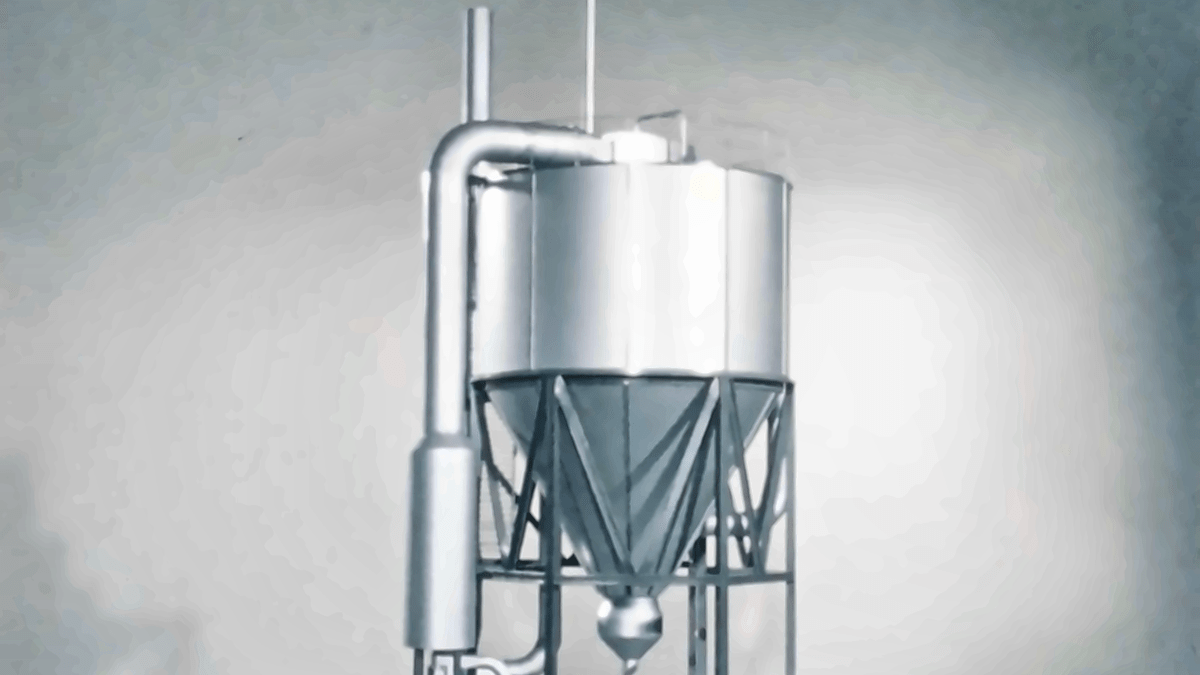
A inovação que revolucionou a secagem por pulverização
Em 1976, os engenheiros da NIRO responderam a um desafio da concorrência repensando as possibilidades da secagem por pulverização. A ideia deles resultou na secadora de multi-estágios MSD. Cinquenta anos depois, esse mesmo princípio fundamental ajuda a transformar líquidos nos pós utilizados em produtos nutricionais essenciais e em medicamentos importantes em todo o mundo. Aperfeiçoada ao longo de décadas de experiência em engenharia, conhecimento do cliente e desenvolvimento contínuo, a MSD é uma história de inovação com impacto duradouro.

Além da máquina: como alcançar um melhor desempenho da planta
Uma máquina eficiente não significa, por si só, uma fábrica eficiente. A verdadeira melhoria geralmente começa quando se vai além dos equipamentos individuais e se compreende como os processos, os sistemas de energia e as decisões operacionais se afetam mutuamente. É uma abordagem integral concebida para identificar oportunidades que, de outra forma, poderiam passar despercebidas.

Como uma válvula revoluciona a forma como alimentos e bebidas são produzidos
Em plantas de alimentos e bebidas, as válvulas são normalmente acionadas por meio de ar comprimido. A GEA Hydract® Actuation Technology aciona as válvulas por meio de água, em um circuito fechado e controlado digitalmente. O resultado é uma válvula que pode ser mantida exatamente no lugar e ajustada em etapas precisas. Isso resulta em menor consumo de energia e maior controle.
