


Increase your DCO recovery rates: 3-phase decanters from GEA with Varipond C
Why Choose a 3‑Phase Decanter for DCO Recovery?
1. High Corn Oil Yield from Whole Stillage
3‑phase decanters separate solids, water, and oil in a single, continuous step, making it ideal for recovering corn oil before the actual stillage decanter, or after the evaporation stage.

3-phase decanters separate the whole stillage into DCO, thin stillage and wet distillers grain in one single step.
2. Stable Performance — Even with Process Variability
Stillage composition can vary with upstream fermentation conditions, grind quality, or enzyme performance. A 3‑phase decanter is engineered to handle these fluctuations, maintaining stable dryness, oil separation efficiency, and centrate clarity. The result: consistent DCO recovery, day after day.
3. Lower Energy Consumption in Downstream Processes
By removing more free and emulsified oil early, the remaining thin stillage requires less energy in evaporation and produces a more stable syrup (CDDGS/DDGS). Improved phase separation also reduces load on downstream disk stack centrifuges - cutting energy use and extending equipment life.
4. Maximum Flexibility for Bioethanol Plant Operations
3‑phase decanters integrate seamlessly into both new and existing bioethanol plants. They can be configured to recover oil from whole stillage, thin stillage or syrup and work as the primary or secondary oil recovery step. This flexibility makes it easy to tailor the system to plant capacity, oil yield targets, and process layout.
5. High-Quality Corn Oil Output
With precise control of differential speed, pond depth, and feed conditioning, a 3‑phase decanter produces a clean oil phase with lower moisture and solids. Higher oil purity means better market value and improved downstream handling.
Speaking of control
GEA Varipond C
With GEA Varipond C adjusting your 3-phase decanters to changing feed conditions, flow rates or even feedstocks can be done instantly and directly at the running machine. Just select the respective diameter and the position of the centripetal pump adjusts the separation zone inside the bowl.
It is easy, fast, precise and even easily repeatable if saved as recipe in your control system.
Key benefits for 3-phase DCO and stillage decanters
- Higher DCO recovery from stillage
- Reduced energy costs in evaporation
- Improved DDGS quality thanks to less residual oil
- Stable performance under variable plant conditions
- Robust, low-maintenance design for 24/7 operation
- Optimized integration with existing plant equipment
Boost Revenue and Efficiency with a 3‑Phase Decanter
Whether your goal is to increase corn oil yield, reduce operational costs, or optimize the entire coproduct stream, a 3‑phase decanter delivers measurable advantages across the bioethanol process. By adding this technology, plants can extract more value, improve sustainability metrics, and strengthen overall profitability

Insights da GEA
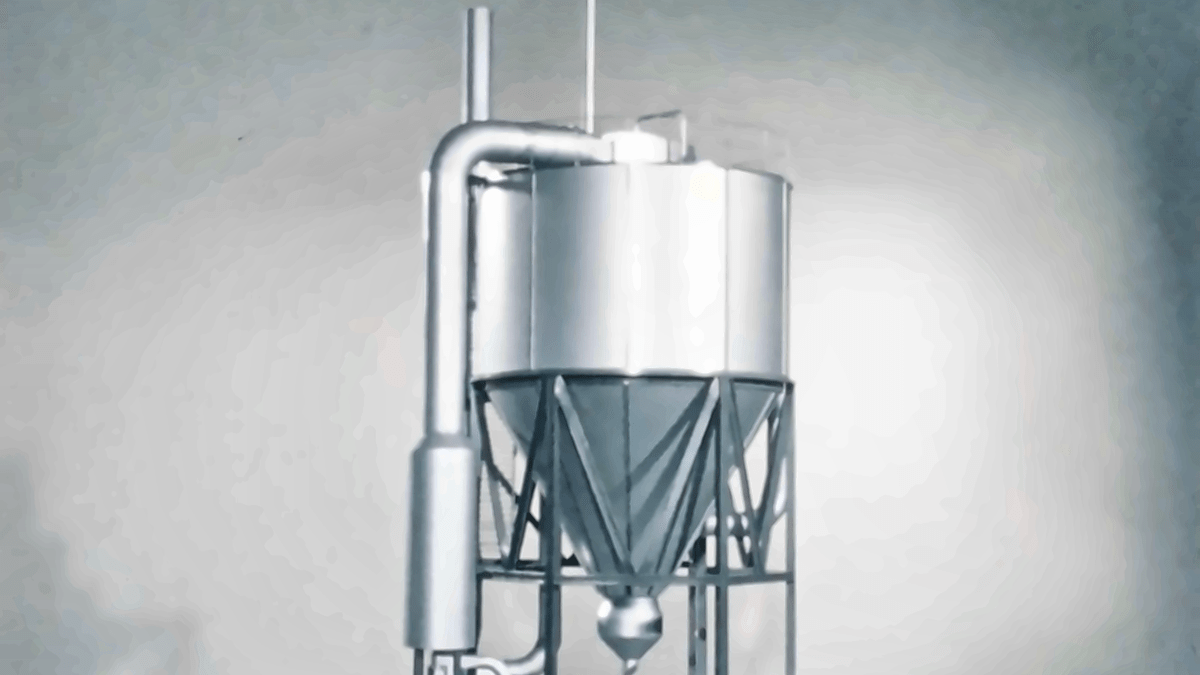
A inovação que revolucionou a secagem por pulverização
Em 1976, os engenheiros da NIRO responderam a um desafio da concorrência repensando as possibilidades da secagem por pulverização. A ideia deles resultou na secadora de multi-estágios MSD. Cinquenta anos depois, esse mesmo princípio fundamental ajuda a transformar líquidos nos pós utilizados em produtos nutricionais essenciais e em medicamentos importantes em todo o mundo. Aperfeiçoada ao longo de décadas de experiência em engenharia, conhecimento do cliente e desenvolvimento contínuo, a MSD é uma história de inovação com impacto duradouro.

Além da máquina: como alcançar um melhor desempenho da planta
Uma máquina eficiente não significa, por si só, uma fábrica eficiente. A verdadeira melhoria geralmente começa quando se vai além dos equipamentos individuais e se compreende como os processos, os sistemas de energia e as decisões operacionais se afetam mutuamente. É uma abordagem integral concebida para identificar oportunidades que, de outra forma, poderiam passar despercebidas.

Como uma válvula revoluciona a forma como alimentos e bebidas são produzidos
Em plantas de alimentos e bebidas, as válvulas são normalmente acionadas por meio de ar comprimido. A GEA Hydract® Actuation Technology aciona as válvulas por meio de água, em um circuito fechado e controlado digitalmente. O resultado é uma válvula que pode ser mantida exatamente no lugar e ajustada em etapas precisas. Isso resulta em menor consumo de energia e maior controle.
